
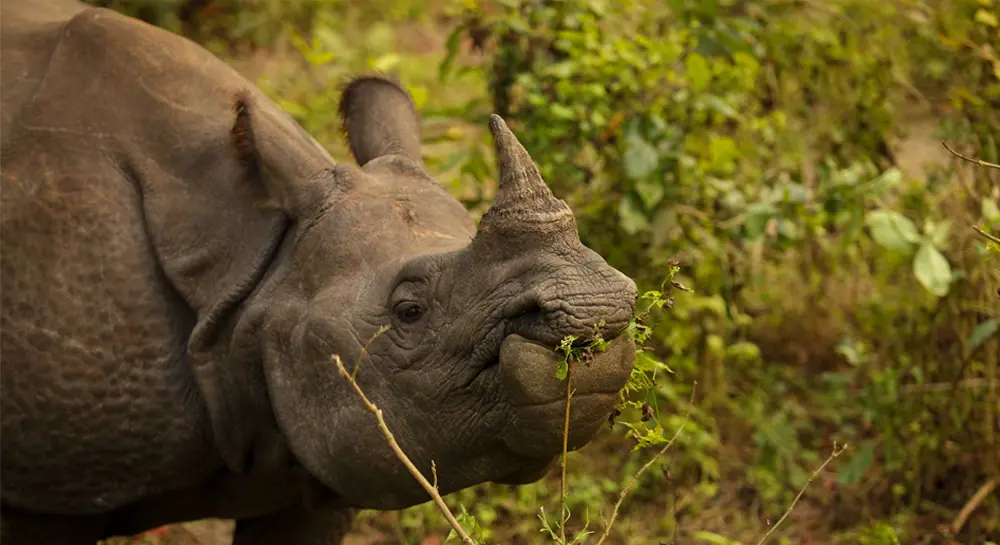
Introduction: Embracing Eco-Friendly Travel in Chitwan
Eco-tourism in Chitwan has become a priority for tourists who are increasingly interested in exploring this untouched area in a respectful way. The Chitwan National Park, with its rich and diverse flora and fauna, covers about 932 square kilometers and is a UNESCO World Heritage Site.
Tigers, one-horned rhinos, and various bird species are just a few of the magnificent creatures that the park is famous for. However, the motivation behind ecotourism in Chitwan is reducing environmental impact while experiencing its unique landscapes. The adoption of sustainable practices by the travelers helps reduce pollution and waste and ensures that future generations will be able to experience the natural beauty of Chitwan.

The movement toward responsible tourism in Chitwan not only means waste management but also strongly supports Eco Tourism Chitwan principles. Eco-friendly tourists in Chitwan are helping to sustain the fragile balance between man and nature by practicing solar-powered community tours, banning single-use plastics, and staying out of wildlife habitats.
These sustainable travel practices contribute significantly to the prevention of the degradation of the park’s ecosystems, thus guaranteeing that the wildlife and plant life flourish in their natural setting. Moreover, eco-friendly tourism in Chitwan not only helps local communities grow both culturally and economically but also allows them to be lively and practice their culture.
This method consequently attracts a larger number of tourists who will be drawn to local tours, buy crafts straight from the makers, and get involved in cultural activities in a non-intrusive way, thus supporting the lives of the local Tharu community and other ethnic groups and at the same time keeping their rich culture alive.
Responsible tourism is a giant step in bringing the two worlds, humans and nature, closer; it even fosters an understanding and appreciation for the aesthetic and cultural importance of Chitwan. Lastly, Chitwan will remain a buzzy and appealing destination for nature lovers and culture seekers alike because of the sustainable travel practices that were adopted there.
Minimize Plastic and Waste
One of the best strategies to implement eco-friendly travel in Chitwan is to reduce the use of plastic and waste in general. Tourists can bring along reusable bottles, cloth bags, and personal cutlery, which are not dependent on disposable products.
The combined effect of these small changes is a significant decrease in plastic waste and the protection of habitats such as rivers, forests, and grasslands that are home to Chitwan’s wildlife, including sloth bears, elephants, and others. It is also essential to eliminate the use of non-reusable plastics such as bottles, straws, and wrappers.

Items in their habitats endanger animals like rhinos, tigers, and some birds. Travelers feel positive about not using disposable plastics because they help keep the environment clean and safe. Nothing less than proper waste disposal will do in this case. When you have trash, first take it to the designated bins at lodges, camps, and villages before recycling.
Adhering to these practices is not only directly but also indirectly contributing to local conservation efforts and making sure that eco-friendly travel in Chitwan does not negatively ruin the park’s fragile ecosystem.
Support Local Communities and Culture
Eco-friendly travel in Chitwan emphasizes the importance of supporting local communities, ensuring that tourism benefits both the environment and the people. One way travelers can contribute is by purchasing authentic handicrafts from the Tharu community, such as traditional baskets, textiles, carvings, and paintings.
By buying directly from local artisans, travelers help preserve cultural heritage and provide fair income to families, while also passing traditional skills on to future generations. Choosing community-based tours led by local guides is an excellent option for supporting sustainable tourism.
Local guides possess in-depth knowledge of Chitwan’s wildlife, forests, and cultural heritage, providing travelers with an authentic and educational experience.

By booking such tours, travelers ensure that tourism revenue stays within the community, actively supporting local livelihoods and conservation-friendly practices. Furthermore, responsible tourism means following local customs and traditions.
Travelers should always obtain permission before taking photographs, follow local regulations, and refrain from engaging in activities that might exploit or infringe upon cultural practices.
By doing so, visitors foster an atmosphere of mutual respect and contribute to the preservation of the unique cultural identity of Chitwan’s communities, enhancing the significance and sustainability of their travel experiences.
Choose Eco-Friendly Accommodations
Choosing the right accommodation is a fundamental aspect of eco-friendly travel in Chitwan. Tourists need to give preference to lodges and resorts that adopt sustainable practices, like using renewable energy, conserving water, and managing waste in an eco-friendly way.
Such places provide a delightful and real experience and have a lower impact on the environment. Hotels that are concentrating on saving energy and water as well as having excellent waste management practices, are what you should look for.
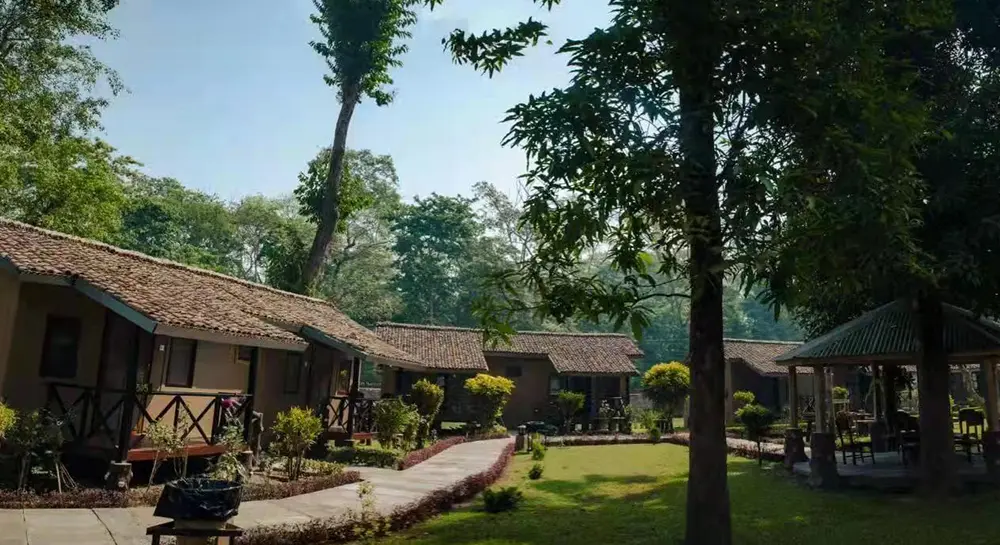
Several eco-friendly properties in Chitwan also utilize biodegradable products; waste is recycled, and local sourcing of food and materials is done, which helps reduce the carbon footprint of the place. Moreover, it is always a wise idea to stay in places that are supporting local conservation projects in an active manner.
There are some hotels and lodges that are promoting wildlife protection, reforestation, and community development through monetary aid. By opting for these accommodations, travelers not only experience responsible travel but also become a part of Chitwan’s unique ecosystem and cultural heritage preservation for the coming generations.
Responsible Wildlife and Safari Practices
Eco-friendly travel in Chitwan involves responsible practices that benefit not only the animals and their habitats but also tourists and the broader endangered ecosystem. Visitors should prioritize maintaining a safe distance from wildlife during safaris and nature walks.
Close encounters can disrupt the animals’ natural behaviors and cause stress. Therefore, respecting this distance is crucial for both safety and conservation efforts. It is also important to prohibit feeding animals.

When wildlife consumes human food, it can lead to health issues and alter their natural feeding behaviors, which can disturb the delicate balance of the ecosystem. Additionally, when animals become accustomed to human interaction for food, they may become less capable of surviving in the wild.
Adhering to the instructions of local guides is essential to minimize habitat disturbance. These guides possess in-depth knowledge of the behaviors of Chitwan’s wildlife and the environmental sensitivities of the area. By following their guidance, visitors can enjoy safe and enriching wildlife experiences while supporting the conservation of Chitwan National Park.
Reduce Carbon Footprint While Traveling
To minimize their environmental impact, eco-friendly travel in Chitwan aims to reduce your carbon footprint. Shared and electric cars are among the few recommended modes of transportation for this purpose. Shared vehicles decrease the number of cars on the road, leading to lower emissions.
Additionally, both the park and the surrounding areas benefit from promoting eco-friendly transport through this method. Walking through villages and the park’s surroundings or riding a bike is another option for responsible travel.

By walking or cycling, travelers can closely experience the natural beauty and local culture while keeping their environmental impact low. Another measure that can be implemented is to restrict helicopter or motorized tours to those operated by certified eco-friendly companies.
By choosing green options for tours and adventures, visitors to Chitwan will appreciate the area’s beauty and help ensure that wildlife remains undisturbed, thus establishing a responsible tourism model.
Eco-Friendly Activities in Chitwan
Involvement in eco-friendly travel in Chitwan is not just about minimizing your presence; it’s also about actively contributing to sustainable practices. Visitors can engage in various activities, such as guided nature walks, bird watching, and canoeing, which allow them to experience the park’s rich biodiversity while having minimal impact on wildlife and habitats.
Responsible travel can also be referred to as Gram Seva, which involves volunteering for local conservation projects that have a significant impact.
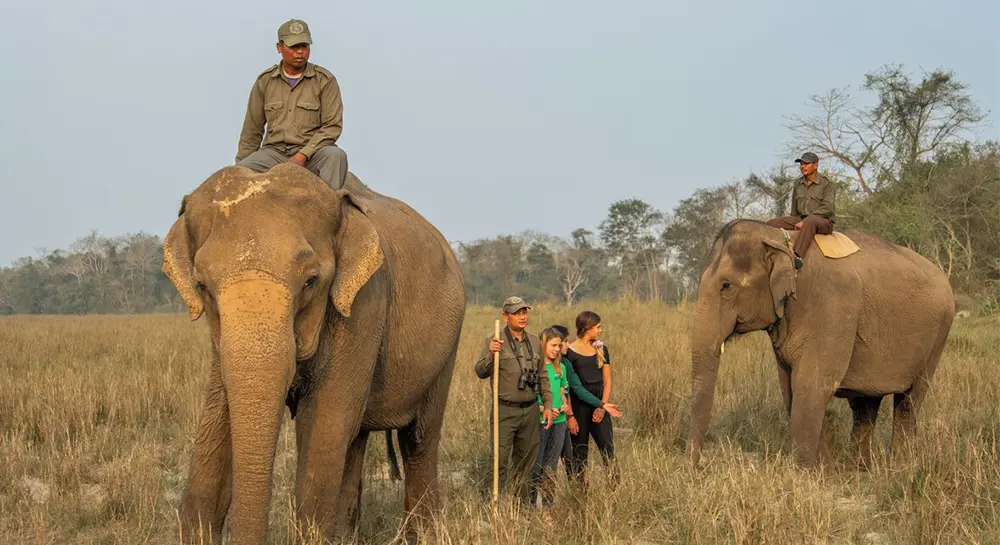
In Chitwan, several programs invite visitors to participate in activities such as wildlife monitoring, tree planting, and habitat restoration. These experiences provide valuable hands-on opportunities in ecosystem preservation.
If you support ecotourism initiatives, including those focused on habitat preservation, Chitwan will become a place with an abundance of wild animals and local people. By picking the fun tours that are eco-friendly, travelers have a better time and do their part for the long-term protection of the park’s rare plants and animals.
Plan and Prepare Responsibly
The Chitwan region needs proper preparation to be able to experience eco-friendly travel benefits. The tourists should make their packs with eco-friendly items like reusable utensils, biodegradable toiletries, reef-safe sunscreen, and refillable water bottles.
It is wonderful how little things can make such a big difference in terms of waste and environmental impact during the journey. Another aspect of responsible travel that one should not overlook is getting acquainted with Chitwan’s local plants, wildlife, and culture.

Grasping the delicate relationship between the park’s ecosystems and obeying local customs opens up opportunities for visitors to communicate with nature and the people around them more wisely. Finally, choose tour companies that have sustainability certifications.
The certified operators abide by eco-friendly practices, and at the same time, they support conservation programs and ensure that the local communities benefit from the tourism revenue. Responsible planning allows tourists to enjoy Chitwan in a safe way and, at the same time, they can leave a positive, enduring impact that is felt through the park’s wildlife and cultural heritage.
Conclusion
Practicing eco-friendly travel in Chitwan is essential for preserving the park’s unique wildlife, lush forests, and vibrant local culture. By minimizing plastic use, supporting local communities, choosing sustainable accommodations, and participating in responsible activities, travelers can ensure that their visit contributes positively to both nature and people.
Responsible tourism lets people have wonderful experiences while also protecting endangered species, delicate habitats, and cultural traditions.

Every small action, from proper waste disposal to selecting certified tour operators, helps maintain the ecological and cultural integrity of Chitwan for future generations. Travelers are encouraged to explore Chitwan sustainably, leaving a lasting positive impact on wildlife, local communities, and the environment.
By adopting eco-friendly travel practices, tourists can enjoy the beauty and adventure of Chitwan National Park while actively contributing to the preservation of its natural and cultural heritage.