Introduction: Chitwan National Park Tourism Updates 2026
Chitwan National Park is a key destination for Nepal wildlife tourism, offering one of the richest biodiversity experiences in South Asia. Managed under the Department of National Parks and Wildlife Conservation, Chitwan National Park is one of Nepal’s best wildlife tourism destinations.
According to the Annual Report 2025/26 published by the Department of National Parks and Wildlife Conservation, domestic visitors increased from 81,246 to 104,096. Data on international visitors is based on the Nepal Tourism Board (Tourism Statistics 2025/26), which recorded approximately 9,544 visitors from SAARC countries and around 55,055 from other international markets.
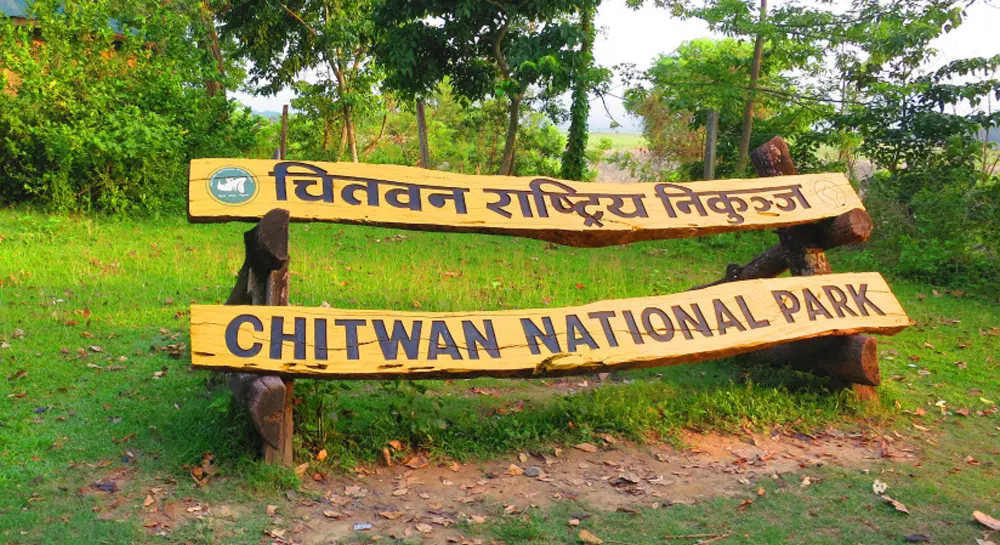
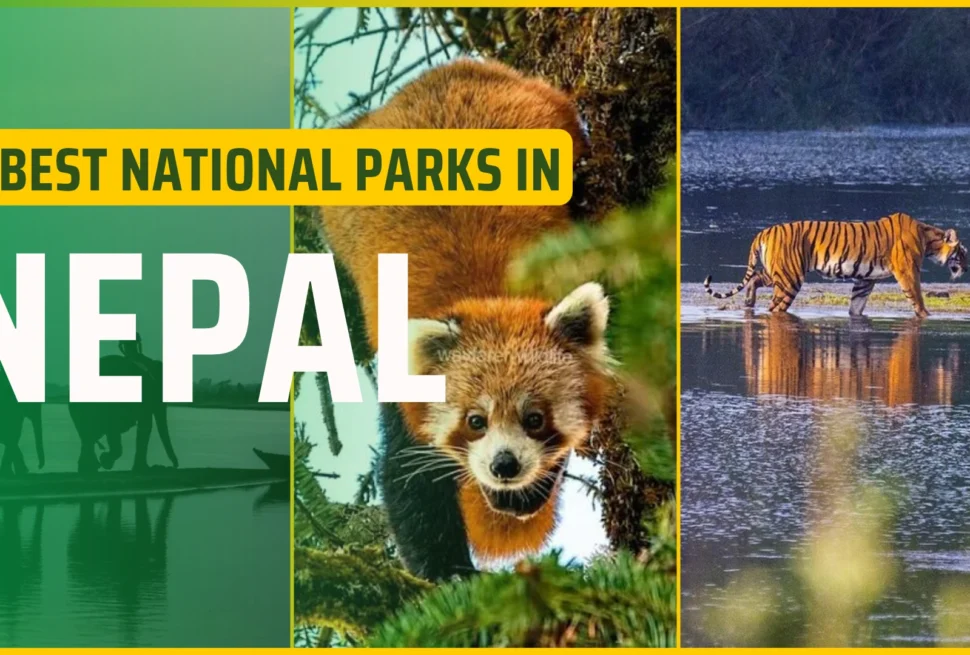
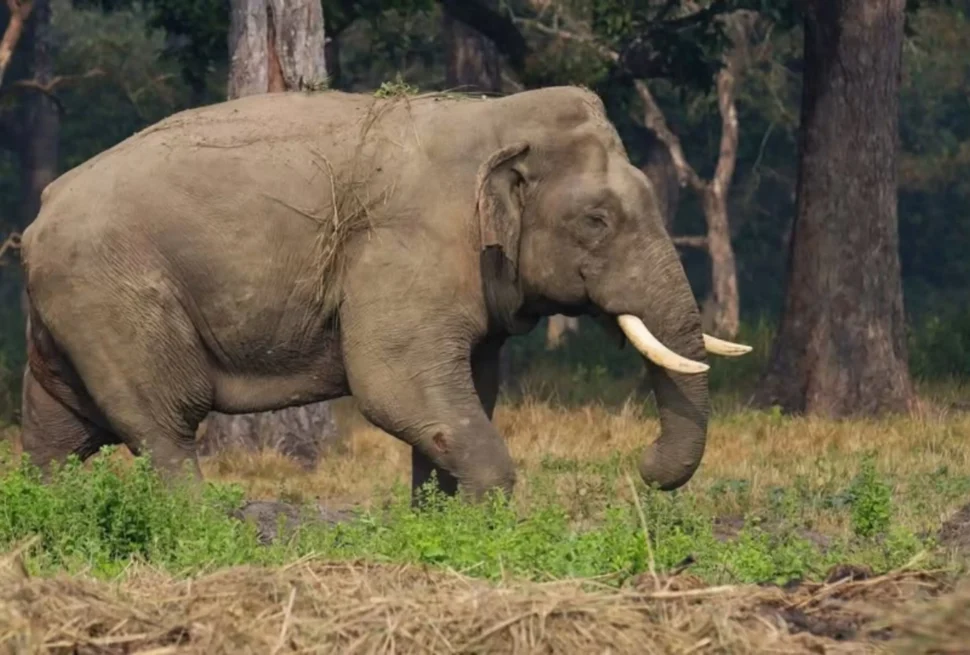
As per park biodiversity records, Chitwan National Park hosts 68 mammal species and over 500 bird species. It is most renowned for its iconic wildlife, like the one-horned rhinoceros, Bengal tiger, Asian elephant, and gharial crocodile, along with an impressive array of bird life.
Based on the DNPWC Annual Report 2025/26, ecotourism activities, safari permits, and entrance fees generated nearly NPR 175 million in revenue within an eight-month period.
The park continues to play a key role in promoting sustainable tourism, wildlife conservation, and community participation in Nepal. If you are planning to visit Chitwan in 2026, understanding the latest tourism updates is essential for a safe and enjoyable experience.
Latest Chitwan National Park Tourism Updates 2026
According to official updates from the Department of National Parks and Wildlife Conservation (DNPWC) and verified conservation reports, Chitwan National Park tourism in 2026 is being managed under stronger safety and conservation-focused rules to protect wildlife and improve the visitor experience.
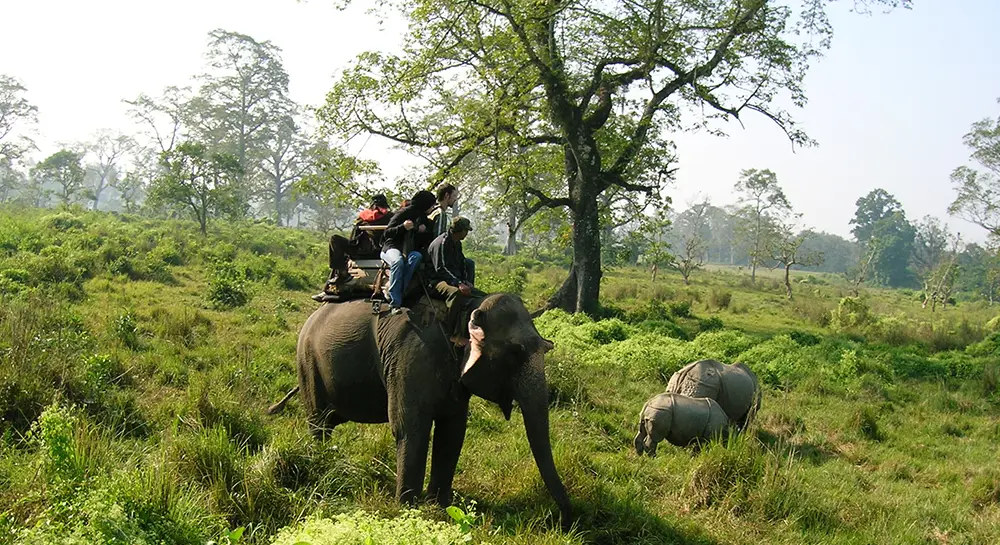
1. New Safari Rules and Park Regulations
As per the Department of National Parks and Wildlife Conservation (DNPWC) guidelines and Chitwan Travel News 2026, all safari activities must follow strict conservation and safety standards. These rules are designed to protect wildlife and ensure safe tourism inside the park.
- Mandatory use of licensed guides for all jungle activities
- Restricted access to sensitive wildlife zones
- Controlled safari routes to reduce environmental impact
- Eco-friendly standards for safari vehicles and operations
These updated regulations help ensure that tourism in Chitwan National Park remains safe, responsible, and wildlife-friendly while also supporting long-term conservation efforts.
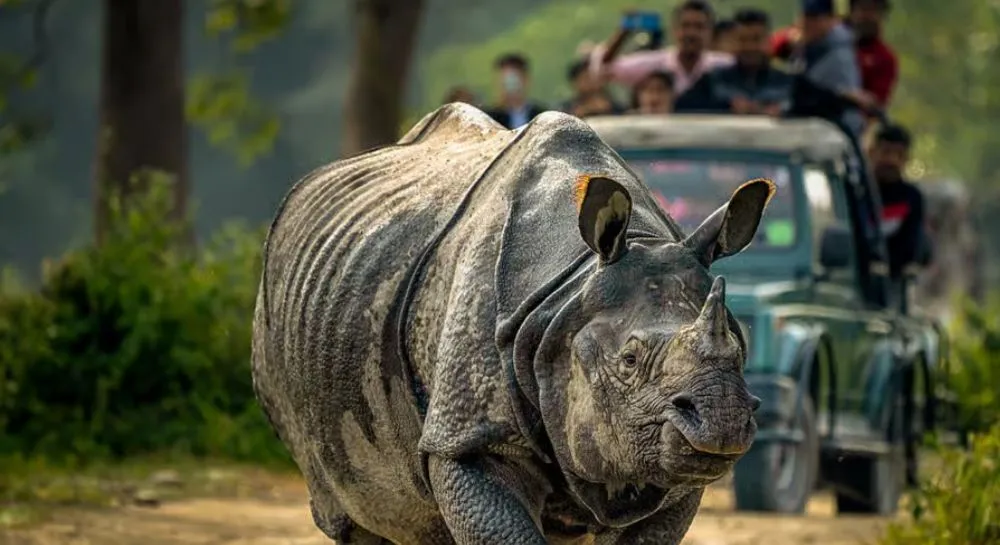
2. Entry Fee and Permit Updates
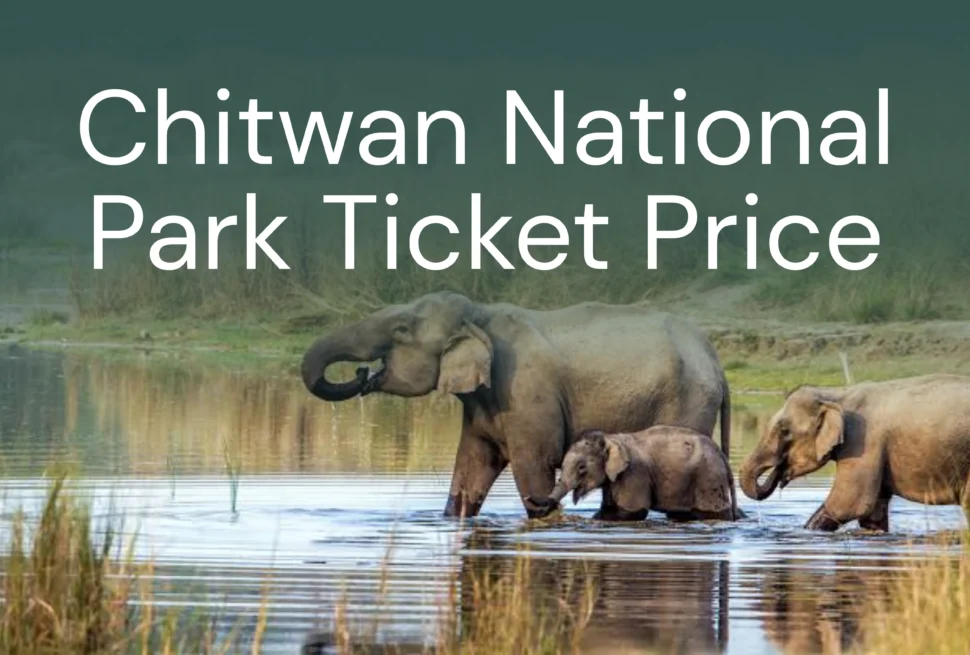
Chitwan National Park, a UNESCO World Heritage Site, has a standardized entry fee system for Nepali citizens, SAARC visitors, and international tourists. The charges are applied per person, per entry, according to the Nepal Tourism Board.
| S.N | National Park / Conservation Area | Nepali Citizens | SAARC Nationals | Foreign Visitors | Child Discount |
| 1 | Chitwan National Park (UNESCO World Heritage Site) | NRs. 150 per person per entry | NRs. 1,000 per person per entry | NRs. 2,000 per person per entry | Children below 10 years: Free |
3. Infrastructure & Tourism Development in Chitwan
Based on information from the Nepal Tourism Board (NTB), Sauraha now has improved roads and excellent highway access, connecting it directly to Nepal’s capital city and Pokhara. The driving time from Kathmandu to Chitwan is approximately 5 to 6 hours in comparison.
The number of licensed 4WD jeeps, qualified guides, and easier bookings have also improved transportation and safari services. Chitwan appears to have more or less done well in terms of accessibility, comfort, and service to tourists in a recognized form of sustainable development.
4. Government & Conservation Efforts
The Government of Nepal, together with the Department of National Parks and Wildlife Conservation (DNPWC) and conservation partners, continues to strengthen wildlife protection in Chitwan National Park. Major focus areas include anti-poaching operations, habitat protection, and community-based conservation programs in buffer zones.
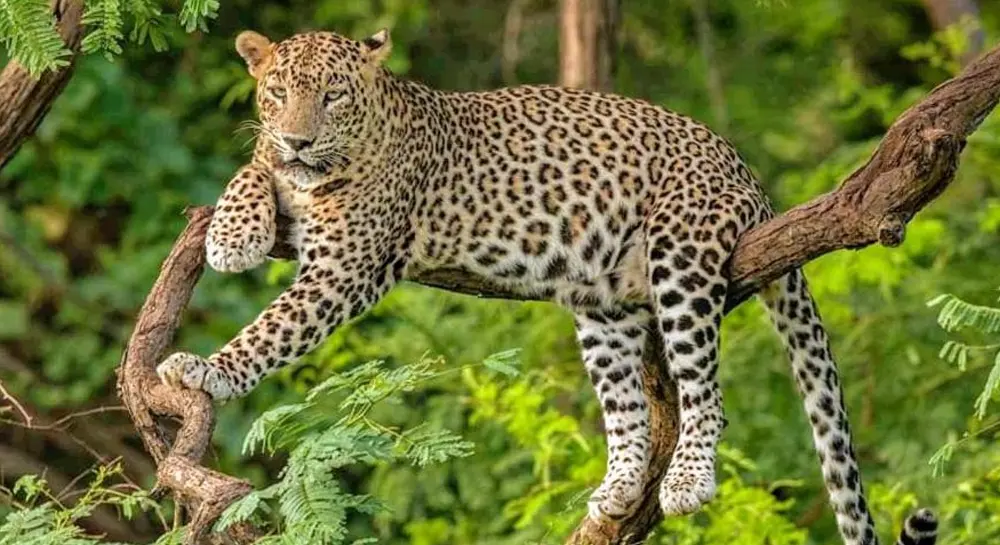
5. Visitor Management & Sustainability Practices
To reduce environmental pressure, Chitwan National Park has improved visitor management systems under DNPWC guidelines. These include controlled safari routes, regulated tourist flow, and strict monitoring in sensitive wildlife areas. We strongly encourage eco-friendly tourism practices to protect wildlife and maintain the natural balance.
Safari Experience in Chitwan National Park
Chitwan National Park now offers improved safari services, making it one of the best places in Nepal to see wildlife for nature lovers and adventure seekers. The safaris are now better organized and follow safer and more eco-friendly practices. These improvements focus on protecting nature, keeping visitors safe, and making wildlife viewing more enjoyable.
Because of these changes, tourists can explore the park in a responsible way while still enjoying real and close experiences with Nepal’s natural wildlife.
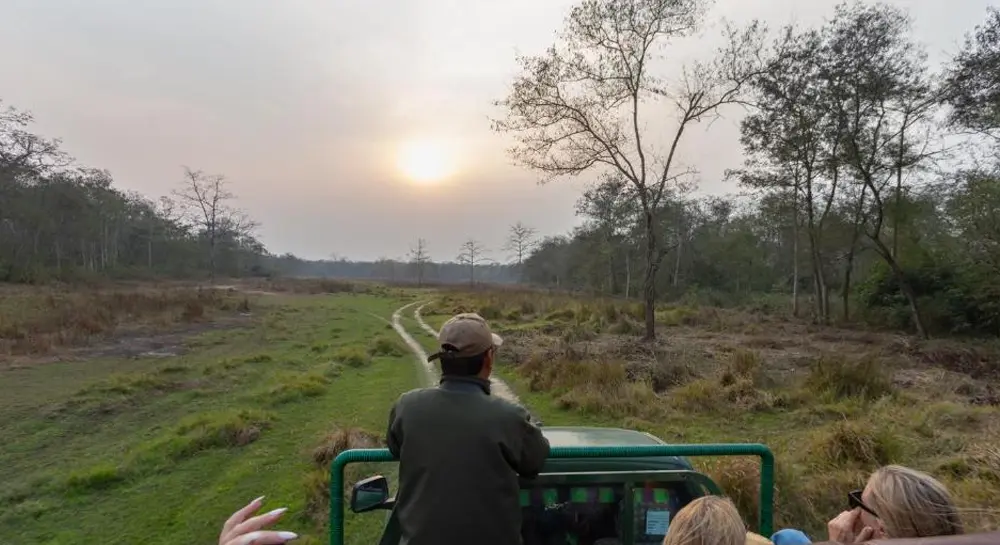
Key Updates in Chitwan Safari Experience 2026
- Improved Jeep Safari Routes:
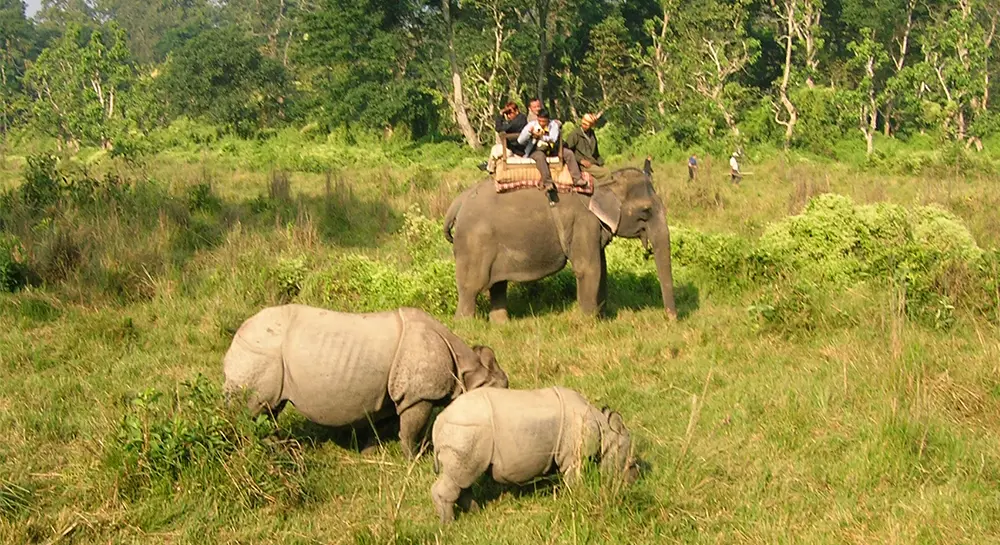
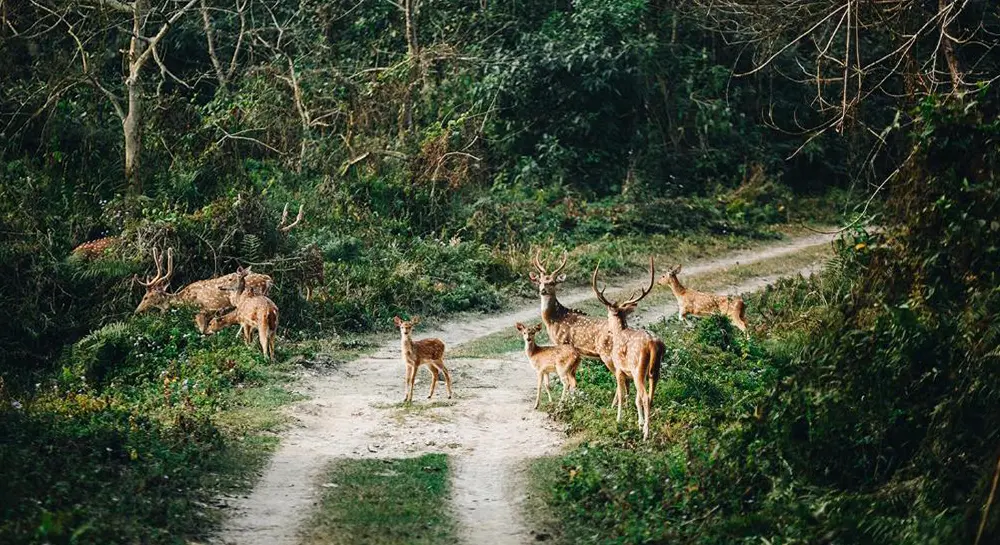
Jeep safaris inside Chitwan National Park now follow better-managed routes approved by the Department of National Parks and Wildlife Conservation. According to local safari operators and DNPWC field reports (2025/26), these updated routes have improved wildlife sighting chances, especially for one-horned rhinos, deer, and sometimes even Bengal tigers. Many visitors report early-morning safaris give the best chance to see animals near water sources and grasslands.
- Safer Canoe Rides on Rapti River:
Canoe safaris on the Rapti River are now operated under strict safety rules and guide supervision. DNPWC safety guidelines ensure life jackets, controlled distances from crocodiles, and limited group sizes. Visitors often experience close views of marsh mugger crocodiles, gharials, and many river birds during calm morning rides.
- Well-Structured Jungle Walks:
Jungle walks are now more organized with licensed guides trained by park authorities. These walks help visitors safely explore forest trails while learning about animal tracks, plants, and habitats. Many tourists describe the experience as “quiet but exciting,” especially when hearing bird calls or spotting fresh rhino footprints.
- Growth in Birdwatching Tourism:
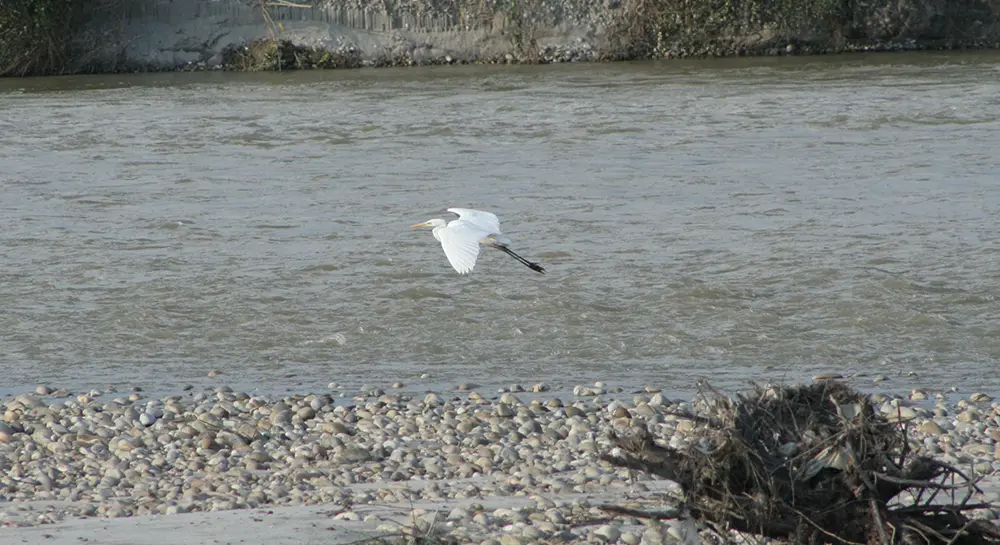
With more than 540 bird species (DNPWC biodiversity records), Chitwan has become one of Nepal’s top birdwatching destinations. Birdwatchers commonly spot kingfishers, hornbills, storks, and migratory species during winter.
- Promotion of Eco-Friendly Safari Practices:
According to Nepal Tourism Board guidelines, safari operators are reducing plastic use and promoting eco-friendly travel. Vehicles are now better regulated to reduce noise and disturbance inside the park.
Wildlife Updates & Conservation Efforts in Chitwan
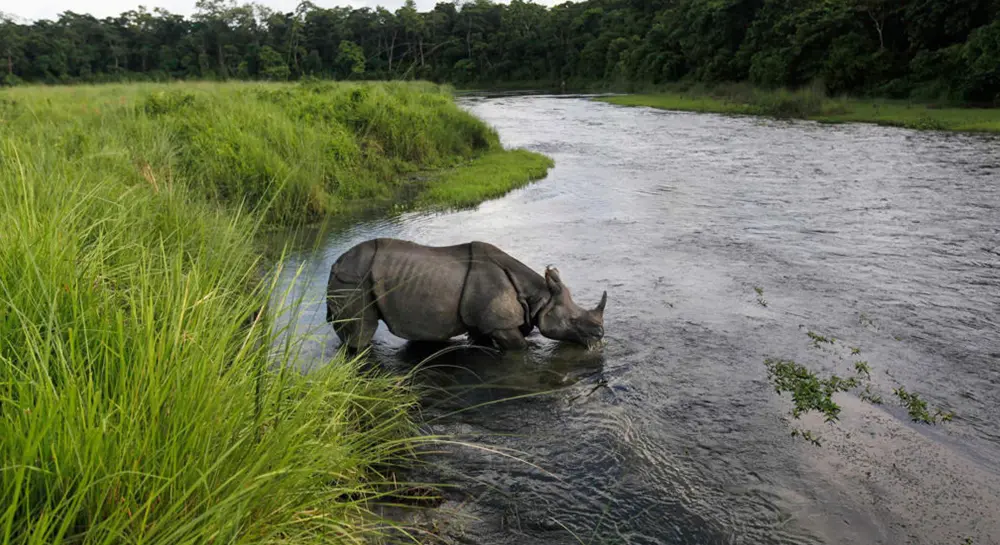
Chitwan National Park updates have a strong history of wildlife conservation in Nepal. It focuses on protecting endangered species and preserving their natural habitats.
Latest Wildlife & Conservation Highlights
- Increase in One-Horned Rhinoceros Population:
The population of the one-horned rhinoceros in Chitwan National Park is currently estimated at around 694 individuals (2021 national census). This growth is the result of strong conservation work and strict protection by the Department of National Parks and Wildlife Conservation, along with successful anti-poaching efforts.
- Advanced Bengal Tiger Monitoring:
The Bengal tiger population in Chitwan is estimated at around 128 tigers (2022 national census). Authorities use camera traps and GPS tracking to study tiger movement, habitat use, and safety patterns for better conservation planning.
- Rich Bird Biodiversity:
Chitwan National Park is home to more than 540 bird species (official biodiversity records, DNPWC), including both resident and migratory birds. This makes it one of the best birdwatching areas in South Asia.
- Successful Anti-Poaching Efforts:
Nepal has achieved zero rhino poaching years in many recent periods (DNPWC reports), showing strong enforcement, patrol systems, and community support in protecting wildlife inside the park.
- Tourism Supporting Conservation:
Income from jungle safaris, entry fees, and eco-tourism directly supports conservation programs, habitat protection, and local communities. This helps ensure long-term protection of wildlife in Chitwan.
Sources: Department of National Parks and Wildlife Conservation (DNPWC), Nepal Tiger and Rhino Census Reports (2021–2022), Nepal National Biodiversity Records.
Travel Tips for Visiting Chitwan in 2026
- Book early in the best season (October–March) to get good hotels, guides, and safari bookings.
- Always choose licensed guides for safaris, jungle walks, and canoe rides.
- Follow park rules like restricted areas and keeping noise low.
- Wear light, comfortable clothes, shoes, sunscreen, insect repellent, binoculars, and a camera.
- Wear natural colors like green, brown, or beige to avoid disturbing animals.
- Keep a safe distance from wildlife and never feed animals.
- Avoid plastic bags and bottles to support eco-friendly tourism in Chitwan.
- Respect the Tharu culture and traditions during cultural programs and village visits.
- Go on a safari in the early morning for the best opportunities to see wildlife in full view.
FAQs – Chitwan National Park Tourism Updates 2026
1. What are the latest Chitwan National Park tourism updates in 2026?
Chitwan National Park has improved safari rules, better jeep tracking systems, and stronger eco-tourism policies. These changes help protect wildlife and improve the visitor experience.
2. Has the safari system changed in Chitwan in 2026?
Yes. Jeep safaris now follow stricter rules, safari movements are increasingly monitored and regulated, guides are required, and access to sensitive wildlife areas is controlled.
3. What is the best time to visit Chitwan in 2026?
The best time is October through March. The weather is cool and dry, making it perfect for jungle safaris and wildlife viewing.
4. Are entry fees or permits updated for Chitwan National Park?
Yes. Entry fees and permits for Chitwan National Park are updated based on visitor type (Nepali, SAARC, and foreign tourists) to ensure better park management. Prices are NRs. 150 for Nepali citizens, NRs. 1,000 for SAARC visitors, and NRs. 2,000 for foreign visitors, while children below 10 years can enter free.
5. Is Chitwan safe for a jungle safari in 2026?
Yes, it is safe. But visitors must follow rules like staying with guides, keeping quiet, and not getting close to animals.
6. What wildlife can I see in Chitwan National Park?
You can see one-horned rhinoceroses, Bengal tigers (rare), elephants, crocodiles, deer, wild boars, and more than 500 bird species.
7. What are the main activities in a Chitwan safari?
Main activities include jeep safaris, canoe rides on the Rapti River, jungle walks, birdwatching, and Tharu cultural programs.
8. Is Sauraha still the main tourist hub for Chitwan?
Yes. Sauraha is still the main entry point, with better hotels, restaurants, transport, and tourist services in 2026.
9. What is Sauraha Tourism?
Sauraha Tourism refers to travel and activities in Sauraha, the main gateway to Chitwan National Park, known for jungle safaris, wildlife experiences, and cultural tourism in Nepal.
10. Do I need a guide for Chitwan jungle activities?
Yes. A licensed guide is required for safaris and jungle walks for safety and better wildlife spotting.
11. What should I pack for a Chitwan safari in 2026?
You can pack light clothes, comfortable shoes, insect repellent, sunscreen, binoculars, a hat, and a camera for wildlife photography.
Conclusion: Plan Your Chitwan Trip Smartly
Chitwan National Park is a very successful example of conservation-based ecotourism in Nepal, managed by the Department of National Parks and Wildlife Conservation.
Based on data from the Department of National Parks and Wildlife Conservation and Nepal Tourism Board, the latest tourism updates for 2026 highlight improved safari systems, stronger wildlife protection measures, and better visitor facilities. These developments make the park safer, more organized, and more sustainable for travelers.
Whether you are exploring jeep safaris, enjoying canoe rides, or experiencing cultural activities in Sauraha, visitors can enjoy rich wildlife experiences while contributing to conservation and local community development through responsible tourism.