10 Best National Parks in Nepal
Nepal is renowned for the Himalayas, but it also has many other natural landscapes and wildlife areas. From the subtropical forests and grasslands of the Terai to alpine valleys and trans-Himalayan landscapes, the country protects a remarkable range of ecosystems and wildlife.
According to the Department of National Parks and Wildlife Conservation, Nepal has 13 national parks, and this guide highlights the best 10, offering a wide range of wildlife, safari, trekking, birdwatching, and other nature experiences. Each park has its own landscape, wildlife, and activities, giving travelers different ways to explore Nepal’s natural environment.
This guide is for tourists interested in wildlife and nature. Nepal’s southern lowlands provide some of the country’s best safari experiences. Chitwan, Bardiya, Parsa, Shuklaphanta, and Banke National Parks protect important Terai habitats for greater one-horned rhinoceroses, Bengal tigers, wild elephants, deer, crocodiles, and hundreds of bird species.
Activities like jeep safaris, jungle walks, canoe trips, birdwatching, elephant back safaris, and other nature-based activities allow visitors to explore these protected landscapes. Chitwan is particularly known for its greater one-horned rhinoceros and established safari experiences, while Bardiya, Shuklaphanta, Parsa, and Banke offer different wildlife habitats and quieter safari experiences.
The experiences vary across Nepal’s Himalayan national parks. Langtang is known for red panda habitat and mountain landscapes close to Kathmandu, while Sagarmatha protects the Everest region and its high-altitude ecosystems.
Shey-Phoksundo and Rara offer remote mountain wilderness and spectacular high-altitude lakes, while Makalu-Barun extends from lower-elevation forests to the high Himalayas, creating an exceptional range of habitats.
In this article, you will discover the best 10 national parks of Nepal, highlighting what makes each destination special.
Quick Facts About Nepal’s National Parks
| National parks | Nepal has 13 national parks. |
| First national park | Chitwan National Park, established in 1973, covers 952.63 km² and is a UNESCO World Heritage Site |
| Largest National Park | Shey-Phoksundo National Park, which covers 3,555 km². |
| Highest National Park | Sagarmatha National Park contains Mount Everest and protects fragile Himalayan glaciers and rare snow leopards. |
| Smallest National Park | Rara National Park is Nepal’s smallest national park. |
| Top wildlife safari parks | Chitwan, Bardiya, Parsa, Shuklaphanta, and Banke |
| Key wildlife | Rhinos, Bengal tigers, wild elephants, leopards, swamp deer, red pandas, snow leopards, and Himalayan tahr |
| Best Time to Visit | Spring (March to May) and autumn (October to November) offer the clearest weather for trekking and wildlife viewing. |
Famous 10 National Parks of Nepal: Safaris, Wildlife, & Landscapes
1. Chitwan National Park, Best Safari Destination in Nepal
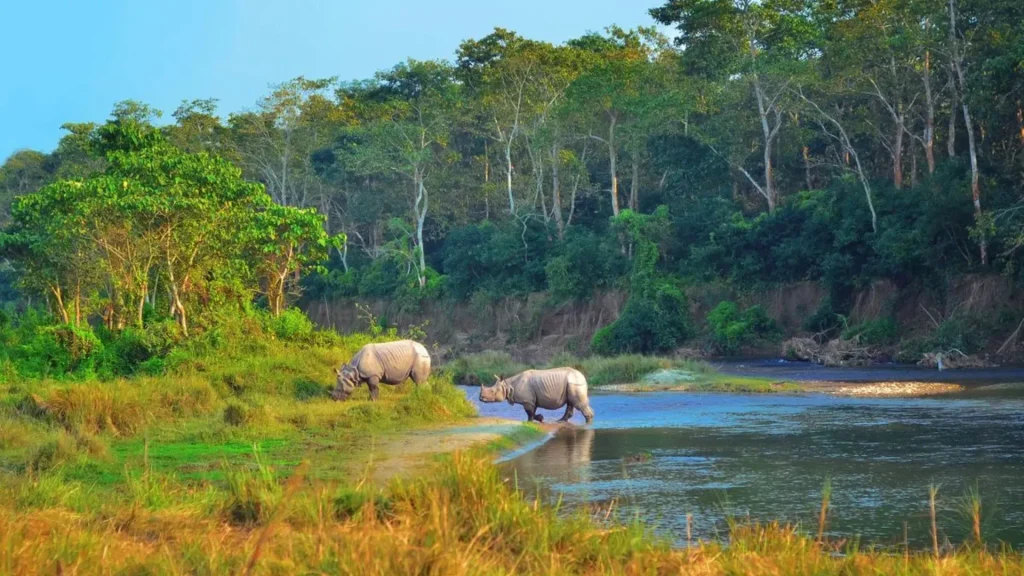
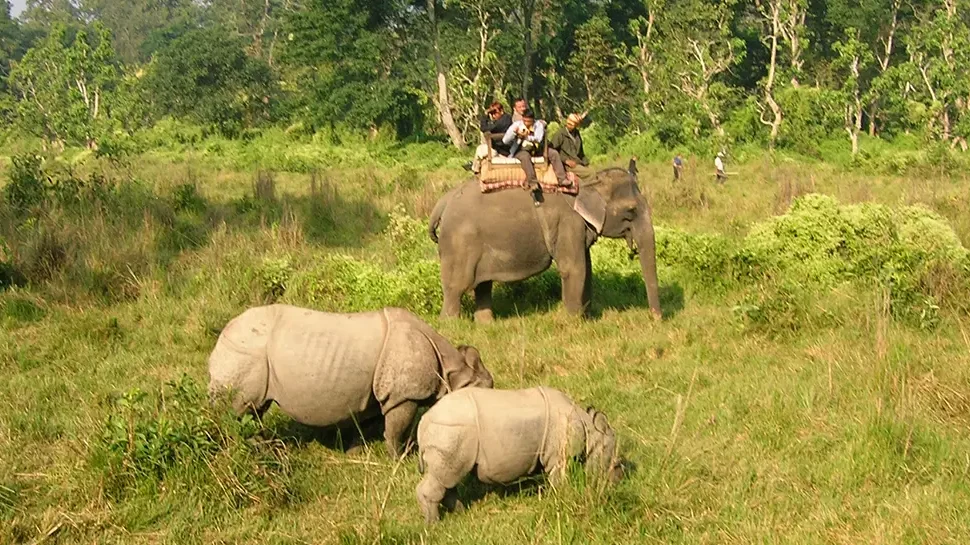
Chitwan National Park is Nepal’s premier lowland wildlife sanctuary, famous for its population of greater one-horned rhinoceroses. Located in the subtropical Inner Terai lowlands of south-central Nepal, the park covers 952.63 square kilometers. Established in 1973 as Nepal’s first national park, it was later designated a UNESCO World Heritage Site.
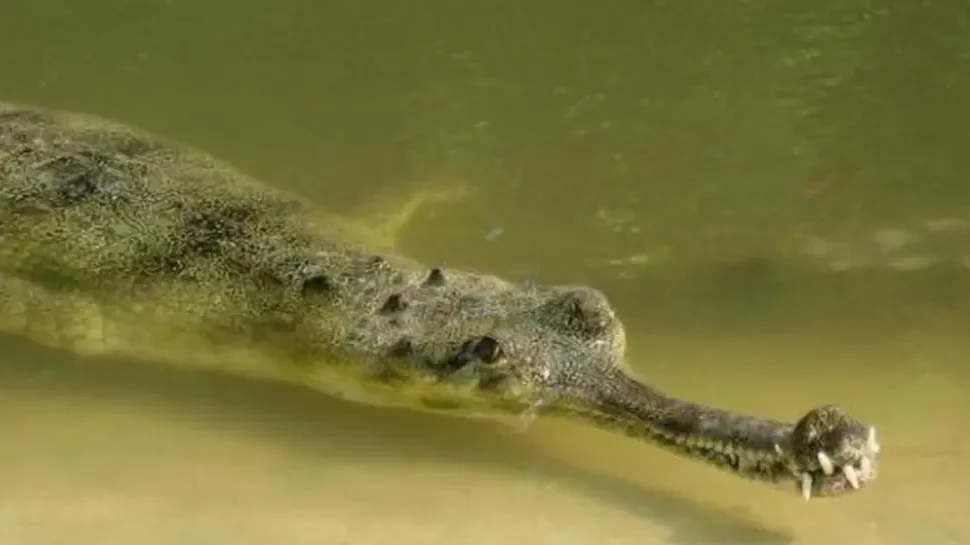
Chitwan is home to greater one-horned rhinos, Asian elephants, sloth bears, marsh crocodiles, gharials, and more than 500 bird species. It also provides important habitat for the endangered Bengal tiger, which moves through its Sal forests, grasslands, wetlands, and riverine habitats. Chitwan is particularly renowned for its one-horned rhinoceros and wildlife safaris.
The 2021 National Rhino Count recorded 694 rhinos in the Chitwan National Park landscape, representing the largest concentration of Nepal’s rhino population. This makes Chitwan one of the country’s most important destinations for observing the greater one-horned rhinoceros in its natural habitat.
Tourists can enjoy jeep safaris, canoe rides, jungle walks, birdwatching, wildlife photography, and Tharu village experiences. October to May is generally the best time to visit, with cooler and drier conditions from October to March. As a leading Chitwan jungle safari operator, we arrange complete wildlife experiences with our Chitwan Safari Packages.
2. Langtang National Park – Red Panda and Himalayan Wildlife
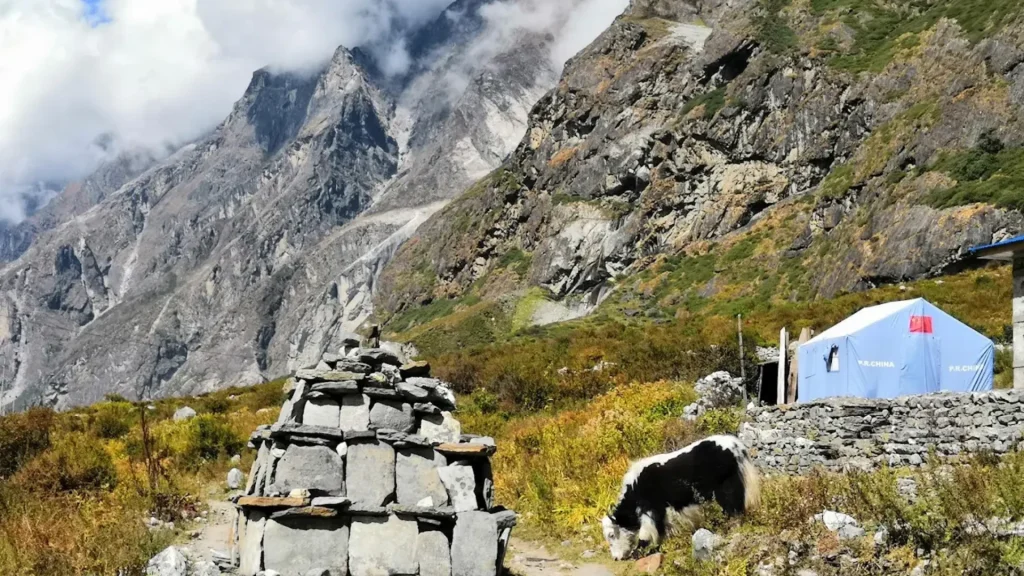
Langtang National Park is one of Nepal’s most important protected areas in the Himalayas and the country’s first national park in the region. Established in 1976, it lies close to Kathmandu and covers 1,710 square kilometers across parts of the Rasuwa, Nuwakot, and Sindhupalchok districts.
The park protects diverse Himalayan habitats, from forests and alpine meadows to high mountain landscapes, and is particularly known for its rare wildlife, such as the red panda. It supports an estimated 24.33% of Nepal’s total red panda population.
Langtang is also home to Tamang and Yolmo communities, whose Tibetan-influenced Buddhist traditions, architecture, and village life add an important cultural dimension to the park. Together, its wildlife, mountain landscapes, trekking routes, and living Himalayan culture make Langtang a major destination for nature and cultural experiences near Kathmandu.
Travelers can enjoy jeep safaris, jungle walks, trekking, birdwatching, wildlife observation, canoeing, photography, nature walks, mountain scenery, and cultural experiences.
3. Sagarmatha National Park – Everest and High-Himalayan Wildlife
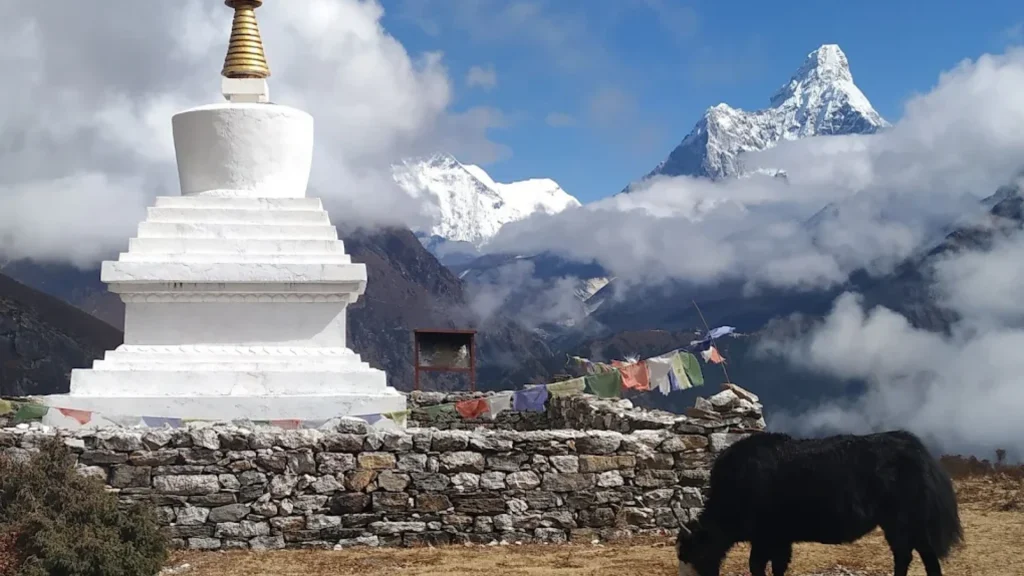
Sagarmatha National Park is another famous wildlife destination in Nepal. It covers 1,148 km² in the Khumbu region of northeastern Nepal and protects some of the country’s highest mountain landscapes, including Mount Everest. Established in 1976, it became a UNESCO Natural World Heritage Site in 1979.
Sagarmatha National Park got its name from the Nepali word “Sagarmatha,” which means “forehead of the sky” (sagar meaning “sky” and matha meaning “head”). It records 118 species of birds, including the Himalayan monal (Danphe), blood pheasant, red-billed chough, yellow-billed chough, snowcock, snow pigeon, and Himalayan griffon.
Visitors mainly explore Sagarmatha National Park through trekking, mountaineering, wildlife observation, birdwatching, photography, and cultural experiences. Popular trekking routes include the Everest Base Camp and Gokyo Valley trails, with stops at Namche Bazaar, Tengboche, and other Sherpa settlements. Travelers can also visit Buddhist monasteries, experience Sherpa culture, and enjoy views of Everest and surrounding peaks while looking for Himalayan tahr, musk deer, mountain birds, and other high-altitude wildlife.
Spring (March–May) and autumn (September–November) are the best times to visit Sagarmatha National Park, offering generally stable weather, clearer skies, and favorable conditions for trekking and mountain views. Winter brings colder temperatures and snow at higher elevations, while the monsoon season can bring rain, cloud cover, and more challenging trail conditions.
4. Rara National Park—Nepal’s Largest Lake and Mountain Wildlife
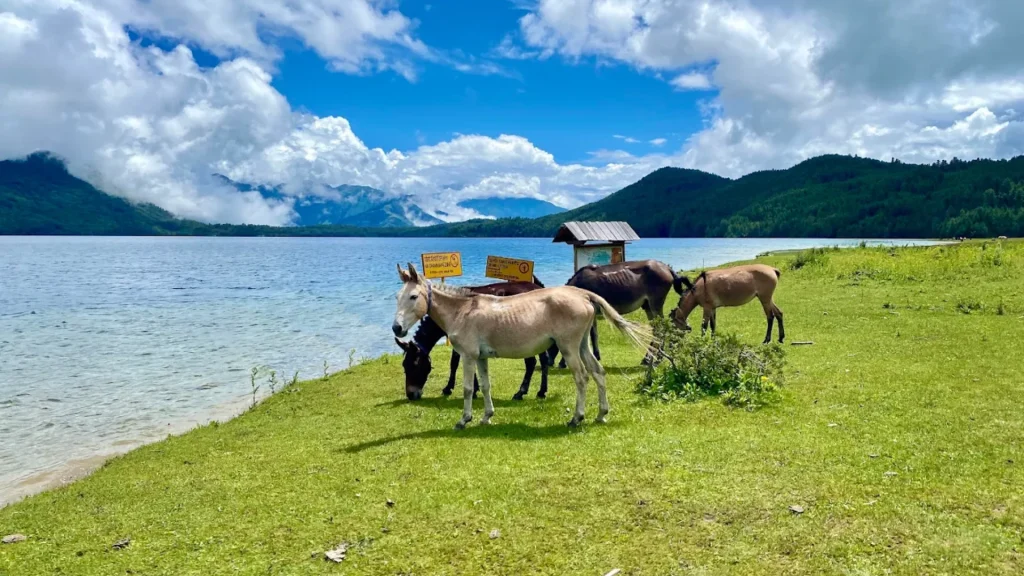
Rara National Park is best known for Rara Lake, Nepal’s largest lake, and its surrounding mountain landscapes. Established in 1976, the park covers 106 square kilometers across the Mugu and Jumla districts in western Nepal, making it the country’s smallest national park by area. The park protects alpine forests, meadows, mountain slopes, and the lake’s surrounding ecosystem.
Rara National Park supports more than 500 species of flowering plants, 20 species of mammals, and 214 species of birds. Travelers can explore the park through trekking, hiking, nature walks, birdwatching, wildlife observation, photography, and scenic walks around Rara Lake. The lake itself is the main attraction, while the surrounding forests provide opportunities to observe Himalayan wildlife and various birds.
Winter is particularly interesting for birdwatchers because Rara Lake attracts waterbirds such as coots, black-necked grebes, great crested grebes, mallards, common teals, mergansers, and gulls. Migratory waterfowl and other seasonal birds can also be observed at different times of the year. Spring and autumn are generally the best seasons for trekking and enjoying clear mountain and lake views, while winter offers colder conditions but good opportunities for observing wintering waterbirds.
5. Shey-Phoksundo National Park—Nepal’s Largest National Park
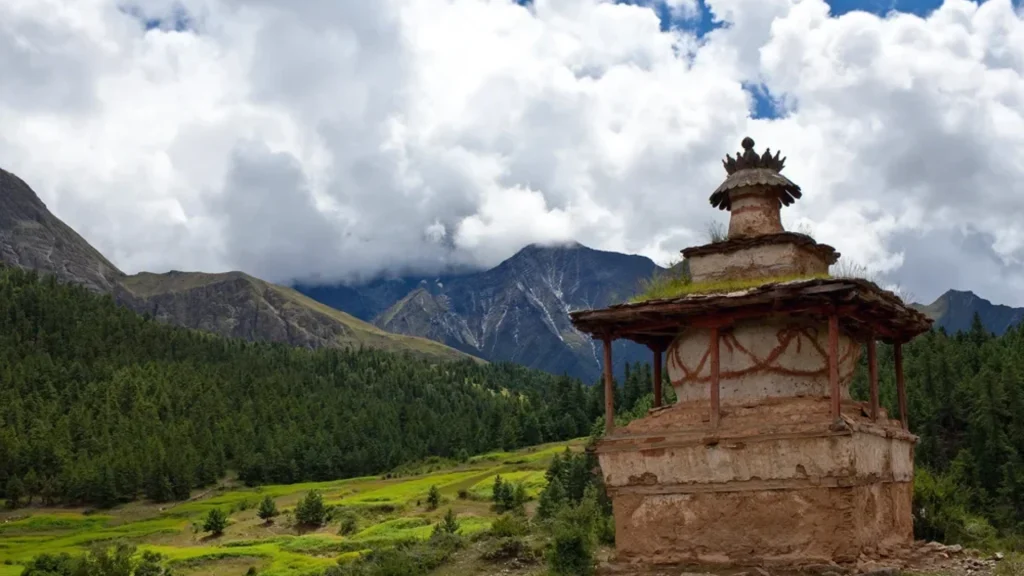
Shey-Phoksundo National Park is Nepal’s largest national park, extending across Dolpa and Mugu districts in the remote western Himalaya. Established in 1984, it covers 3,555 km² and protects diverse landscapes ranging from Himalayan forests and high mountain valleys to dry trans-Himalayan terrain influenced by the Tibetan environment.
The park is best known for the remote Dolpo region, dramatic mountain landscapes, glaciers, and the deep blue waters of Phoksundo Lake. It supports more than 200 bird species and provides habitat for high-altitude wildlife such as blue sheep and the elusive snow leopard.
Travelers mainly explore the park through multi-day trekking, wildlife observation, photography, and wilderness experiences rather than conventional jeep safaris. Best for adventure travelers seeking remote landscapes, challenging treks, high-altitude wildlife, and an off-the-beaten-path Himalayan experience.
6. Parsa National Park – Churia Forests and Terai Wildlife
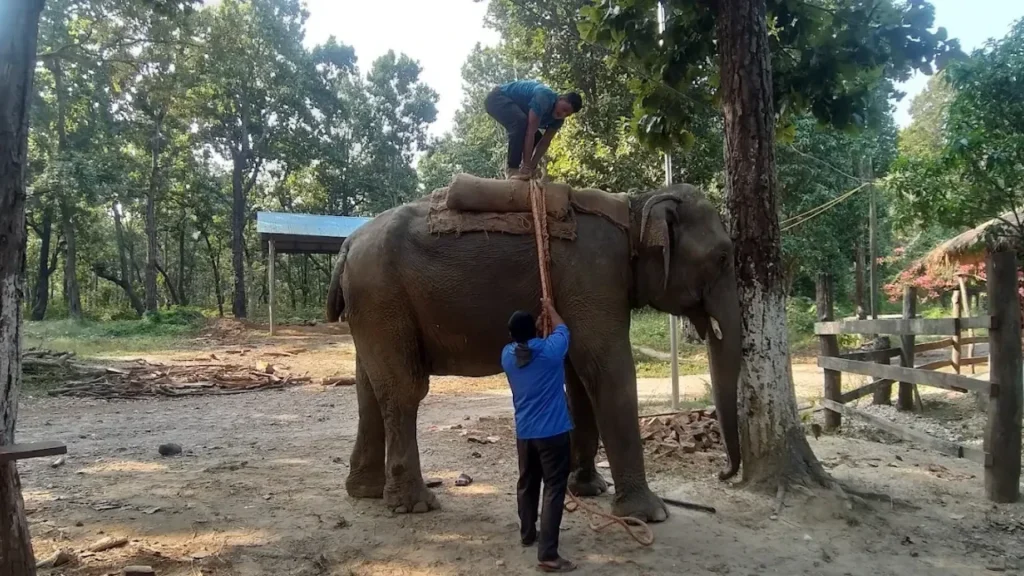
Parsa National Park is known for its dense tropical and subtropical Sal forests, wild Asian elephants, and an important habitat for Bengal tigers. It covers 627.39 square kilometers across parts of Parsa, Makwanpur, and Chitwan districts in southern Nepal.
The area was first declared a wildlife reserve in 1984 and was upgraded to national park status in 2017. The park’s landscape includes extensive forests and the Churia hills, creating habitat for tigers, wild elephants, leopards, sloth bears, gaur, sambar, chital, and wild boar, along with many bird species.
Travelers can explore Parsa through jeep safaris, forest drives, wildlife observation, birdwatching, and nature photography. October to May is generally the best time to visit, with cooler and drier conditions providing more comfortable opportunities for wildlife activities. Its location near Chitwan also makes Parsa a useful addition to longer Terai wildlife itineraries.
7. Shuklaphanta National Park – Nepal’s Swamp Deer Stronghold
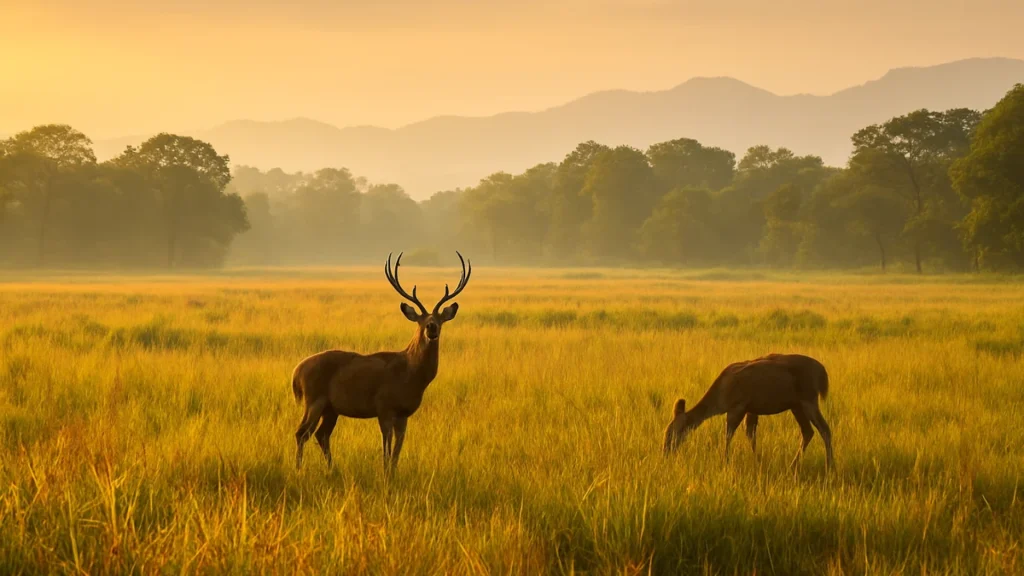
Shuklaphanta National Park is known for its extensive grasslands, large population of swamp deer, and diverse wildlife in Nepal’s far-western Terai. Established as a wildlife reserve in 1976 and upgraded to national park status in 2017, the park covers 305 square kilometers in Kanchanpur District.
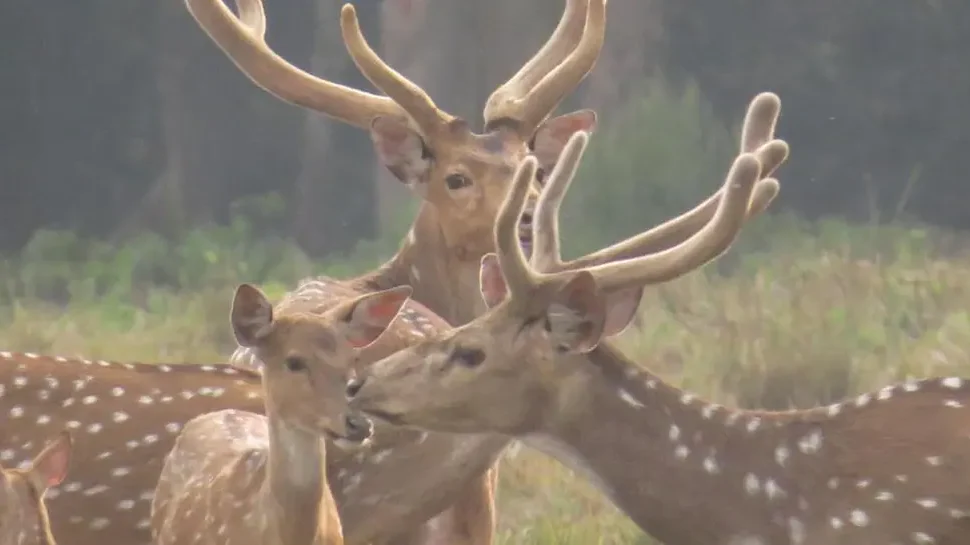
Its grasslands, forests, wetlands, and riverine habitats support wildlife, including swamp deer, wild elephants, Bengal tigers, spotted deer, blue bull, barking deer, wild boar, leopards, jackals, and langurs. Reptiles include marsh mugger crocodiles and pythons. According to the Nepal Tourism Board, the park is also home to around 350 bird species, including the sarus crane, swamp francolin, grass owl, warblers, flycatchers, and Bengal florican.
Travelers can explore Shuklaphanta through jeep safaris, nature walks, birdwatching, wildlife observation, and photography. October to May is generally the best time to visit, when drier weather makes wildlife activities and exploration more comfortable. Its extensive grasslands provide a different safari experience from the denser forests of Chitwan and Parsa.
8. Bardiya National Park—A Quieter Terai Wildlife Experience
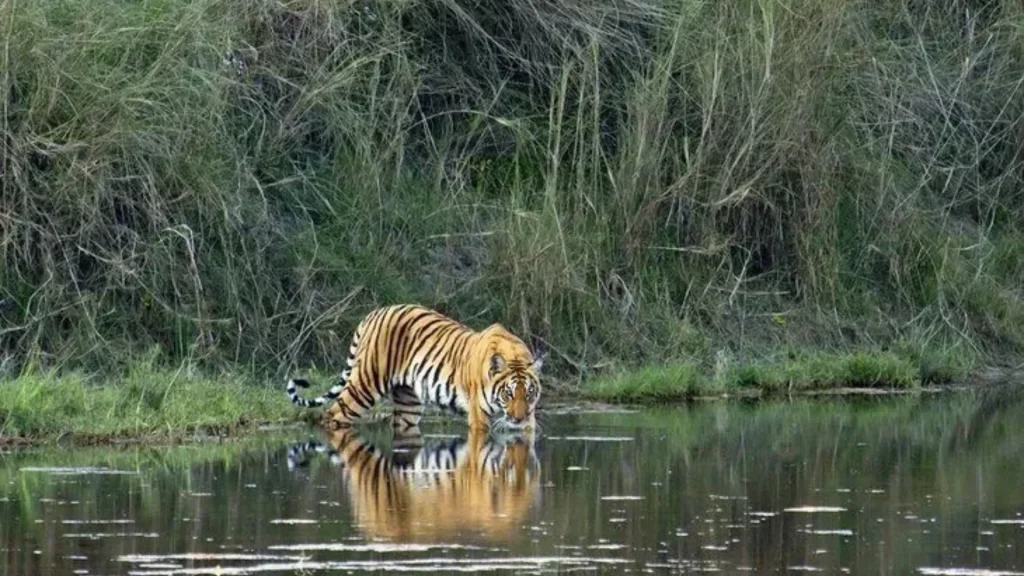
Bardiya National Park is the largest national park in Nepal’s Terai, covering 968 square kilometers in western Nepal. Its diverse landscape includes Sal forests, open grasslands, riverine habitats, and the Karnali and Babai river systems. The park is home to Bengal tigers, greater one-horned rhinoceroses, wild elephants, swamp deer, and Gangetic river dolphins, along with around 230 bird species.
Travelers can experience Bardiya through jeep safaris, guided jungle walks, birdwatching, wildlife photography, canoe and river activities, and nature walks. Jeep safaris provide opportunities to explore the park’s forests and grasslands, while jungle walks offer a closer experience of the forest with trained local guides. River excursions can provide opportunities to observe birds, crocodiles, and other aquatic wildlife.
October to early April is generally the best time to visit Bardiya, with dry weather and comfortable conditions for safaris and outdoor activities. We also offer complete Bardiya safari packages, arranging accommodation, transportation, local guides, jeep safaris, jungle walks, canoeing, birdwatching, and customized wildlife itineraries for travelers seeking a quieter Terai experience.
9. Makalu-Barun National Park – From Tropical Forest to Mount Makalu
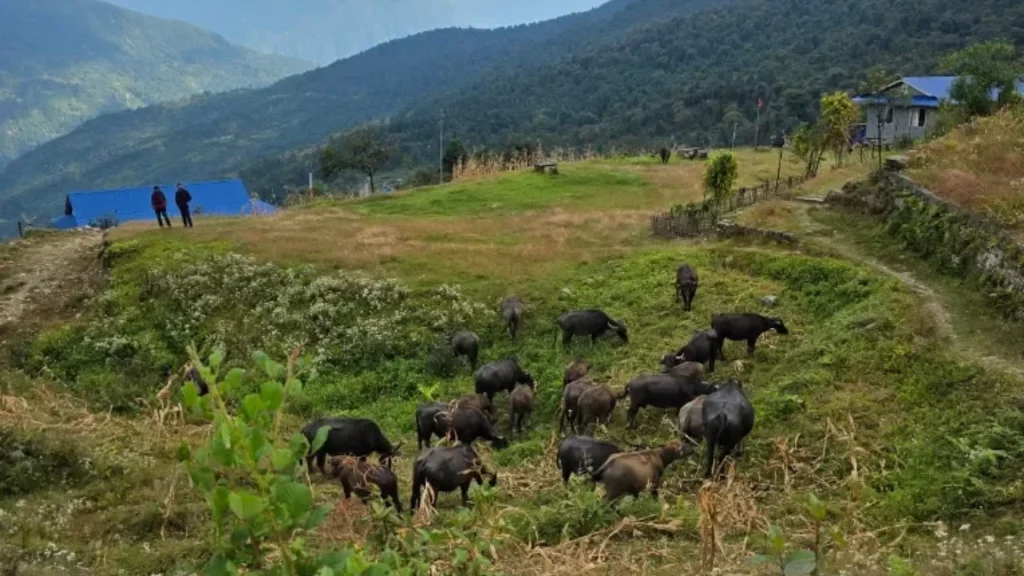
Makalu-Barun National Park is known for its exceptional elevation range and diverse Himalayan ecosystems, including habitat for endangered red pandas and snow leopards. It covers 1,500 square kilometers in eastern Nepal and extends from the Arun Valley at about 435 meters to Mount Makalu at 8,463 meters.
Established in 1992, the park protects habitats ranging from tropical and subtropical forests to alpine meadows and high Himalayan landscapes. According to the Nepal Tourism Board, it has around 400 bird species, 86 species of fodder trees, 56 rare plant species, and 84 fish species.
Travelers can explore the park through multi-day trekking, mountaineering, birdwatching, wildlife observation, photography, and remote nature experiences. Spring (March–May) and autumn (September–November) are generally the best times to visit, offering more favorable trekking conditions, clearer mountain views, and better opportunities to explore the park’s diverse landscapes.
10. Banke National Park – Important Tiger and Wildlife Corridor
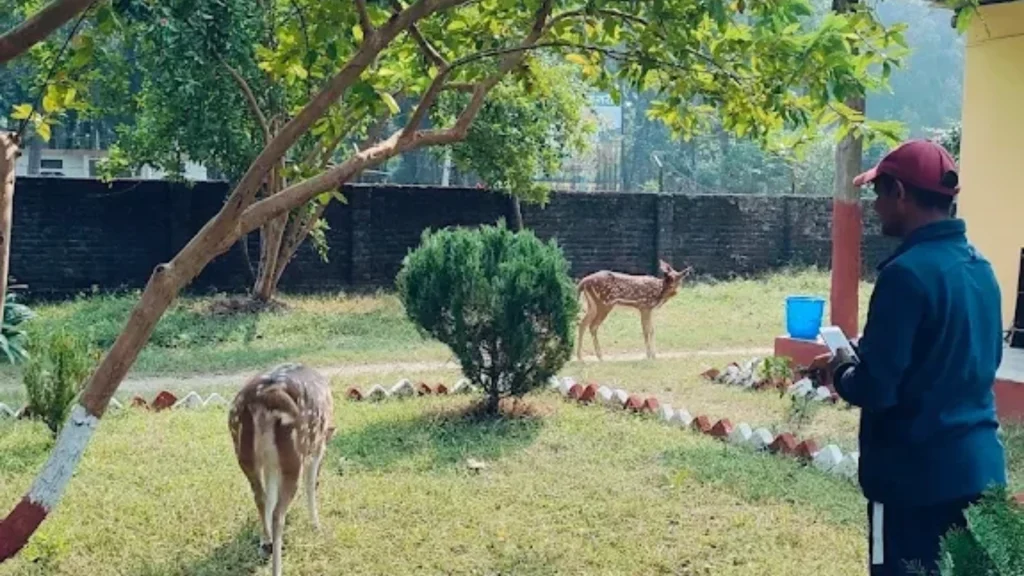
Banke National Park lies in Lumbini Province, southwestern Nepal, and covers 550 square kilometers across Banke, Dang, and Salyan districts. Established in 2010, it became Nepal’s tenth national park and forms an important part of the Terai Arc Landscape.
The park connects with Bardiya National Park and provides an important wildlife corridor for tigers and other species. According to the Nepal Tourism Board, Banke contains eight ecosystems, including Bhabar, mixed hardwood forests, Sal forests, and the foothills of the Chure range. Wildlife includes Bengal tigers, leopards, sloth bears, deer, wild boar, and numerous bird species.
Visitors can explore Banke through wildlife drives, nature walks, birdwatching, photography, and guided forest excursions. October to May is generally the best time to visit, when drier conditions are more suitable for wildlife activities and outdoor exploration. Banke is particularly suited to travelers seeking a more peaceful experience with Terai wildlife and an opportunity to explore an important tiger conservation landscape.
Which National Park of Nepal is best for a jungle safari?
If your main goal is a Nepal jungle safari, Chitwan National Park is one of the most popular and accessible wildlife safari destinations in Nepal and a strong choice for first-time visitors. It offers a particularly appealing combination of jeep safaris, jungle walks, canoeing, birdwatching, wildlife photography, elephant breeding center visits, jungle tower stays, and Tharu cultural experiences.
Bardiya National Park is better suited to travelers looking for a quieter and more remote Terai wildlife experience, with opportunities to look for Bengal tigers, rhinos, wild elephants, deer, and other wildlife. Other national parks offer different wildlife, trekking, mountain, and wilderness experiences rather than the traditional lowland jungle safari.
Nepal National Parks and Their Best Wildlife Experiences
| Destination | Best For | Main Experience |
| Chitwan National Park | First-time safari and rhino sightings | Jeep safari, jungle walk, canoeing, birdwatching, wildlife photography, and Tharu culture |
| Bardiya National Park | Tiger-focused and quieter wildlife trips | Jeep safari, jungle walk, birdwatching, river activities, and forest exploration |
| Shuklaphanta National Park | Swamp deer and grassland wildlife | Grassland wildlife viewing, birdwatching, nature walks, and safari activities |
| Parsa National Park | Less-visited Terai wildlife | Jeep safari, jungle walks, birdwatching, and Sal Forest exploration |
| Banke National Park | Tiger habitat and Sal forests | Jeep safari, wildlife observation, birdwatching, and nature activities |
| Langtang National Park | Himalayan wildlife and trekking | Trekking, birdwatching, forest exploration, and mountain scenery |
| Sagarmatha National Park | Everest and high-altitude nature | Trekking, mountain views, Sherpa culture, and Himalayan wildlife |
| Rara National Park | Lake scenery and remote wilderness | Rara Lake, trekking, birdwatching, and mountain landscapes |
| Shey-Phoksundo National Park | Remote Himalayan wilderness | Phoksundo Lake, trekking, high-altitude landscapes, and wildlife observation |
| Makalu-Barun National Park | Biodiversity and remote trekking | Trekking, birdwatching, wildlife observation, and high-mountain landscapes |
Which National Park Should You Choose?
For a classic wildlife safari, choose Chitwan or Bardiya. Chitwan is generally the more convenient option for first-time visitors and travelers combining wildlife with Kathmandu or Pokhara. It is also one of Nepal’s famous destinations for greater one-horned rhino sightings.
Choose Bardiya if you have more time and prefer a quieter, less-visited setting with a strong focus on tigers and Terai wildlife. Choose Koshi Tappu if birdwatching is your main interest. For swamp deer and western Terai grasslands, Shuklaphanta is a strong choice, while the remaining parks are better suited to travelers interested in Himalayan trekking, mountain landscapes, remote wilderness, or specialized nature experiences.
If you want a well-organized private wildlife safari, our team currently focuses on Chitwan and Bardiya National Parks. We can arrange transportation, accommodation, local guides, safari activities, and customized itineraries based on your travel dates, interests, and available time.
Best Time to Visit Nepal National Parks
The best time to visit Nepal’s national parks depends on the landscape and altitude. For the lowland Terai parks, October to March generally offers the best conditions for wildlife viewing, with cooler and drier weather.
The Himalayan parks are usually best in spring and autumn, when the weather is more suitable for trekking and mountain travel. Temperatures can vary considerably within the same park, especially in high-altitude areas, so the figures below should be used as general seasonal guidance.
| National Park | Best Time to Visit | Typical Temperature / Conditions | Best For |
| Chitwan National Park | October–March | Average temperature is around 25°C, but it can reach 43°C from April to June. | Rhino sightings, jeep safaris, jungle walks, canoeing, birdwatching |
| Bardiya National Park | October–March | Generally warm and dry; April–June can reach 42°C. | Tiger and rhino viewing, jeep safari, jungle walks, birdwatching |
| Parsa National Park | October–March | Temperatures range from around 30 to 35°C from April to June, followed by the monsoon season starting in July. | Jeep safari, forest wildlife, birdwatching |
| Shuklaphanta National Park | October–March | Dry and generally comfortable; April–June can reach 42°C. | Swamp deer, grasslands, birdwatching, wildlife drives |
| Banke National Park | October–March | Hotter from April; warm and dry during the main wildlife season | Tiger habitat, wildlife drives, birdwatching |
| Langtang National Park | October–November & March–May | Cooler at higher elevations; winter brings snow. | Trekking, red panda habitat, mountain landscapes |
| Sagarmatha National Park | October–November & March–May | Cold at high elevations; December–February can have snow, with daytime temperatures around 5°C in the park’s official guidance. | Everest trekking, mountain wildlife, Sherpa culture |
| Rara National Park | February–April & October–November | Cool mountain conditions; temperatures vary considerably with elevation. | Rara Lake, trekking, birdwatching, nature |
| Shey-Phoksundo National Park | March–May & September–October | Cool to cold depending on elevation; conditions vary across the high-altitude terrain. | Phoksundo Lake, trekking, remote wilderness |
| Makalu-Barun National Park | October–November & March–April | Cooler at higher elevations and warmer in the lower areas during April and May. | Trekking, mountaineering, red panda, and mountain wildlife |
How to Plan a Nepal Wildlife Tour
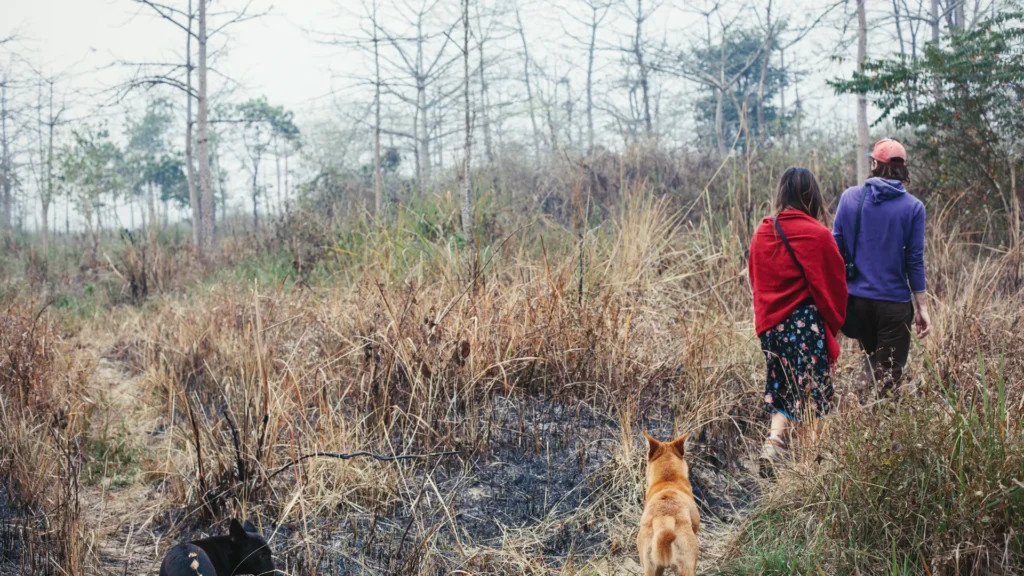
Planning a Nepal wildlife tour starts with choosing the right national park based on the wildlife you want to see, the time you have, your preferred safari style, and how much travel you are comfortable with. Nepal has several national parks with different landscapes and wildlife experiences; our wildlife tours currently focus on Chitwan National Park and Bardiya National Park.
We arrange safari itineraries in both destinations, including transportation, accommodation, local guides, park activities, and customized travel arrangements.
Transportation to Nepal’s Other National Parks
| National Park | Main Access Route | Transportation | Approx. Travel Time |
| Chitwan National Park | Kathmandu → Bharatpur → Chitwan | Flight + road | About 20 min by air + 30–45 min by road |
| Chitwan National Park | Kathmandu → Chitwan | Tourist bus / private vehicle | Around 4–6 hours |
| Bardiya National Park | Kathmandu → Nepalgunj → Bardiya | Flight + road | About 1 hour by air + 2–3 hours by road |
| Bardiya National Park | Kathmandu → Bardiya | Tourist bus / private vehicle | Around 10–13 hours |
| Parsa National Park | Kathmandu → Parsa | Tourist bus/road | Around 5–7 hours |
| Parsa National Park | Kathmandu → Parsa | Private vehicle | Around 5–7 hours |
| Shuklaphanta National Park | Kathmandu → Dhangadhi | Flight to Dhangadhi + road | About 1 hour by air + 1.5–2 hours by road |
| Shuklaphanta National Park | Kathmandu → Shuklaphanta | Tourist bus/road | Around 13–16 hours |
| Banke National Park | Kathmandu → Nepalgunj | Flight to Nepalgunj + road | About 1 hour by air + 1–2 hours by road |
| Banke National Park | Kathmandu → Banke | Tourist bus/road | Around 10–12 hours |
| Langtang National Park | Kathmandu → Syabrubesi | Bus / private vehicle | Around 6–8 hours |
| Sagarmatha National Park | Kathmandu → Lukla | Flight to Lukla | About 30–40 minutes by air |
| Sagarmatha National Park | Lukla → Namche Bazaar | Trekking | Around 2 days |
| Rara National Park | Kathmandu → Nepalgunj → Talcha | Flight + connecting flight/road | About 1 hour to Nepalgunj + onward travel |
| Rara National Park | Kathmandu → Rara | Road / private vehicle | Around 2–3 days, depending on route and road conditions |
| Shey-Phoksundo National Park | Kathmandu → Nepalgunj → Juphal | Flights and road/trek | About 1 hour to Nepalgunj + onward travel |
| Shey-Phoksundo National Park | Kathmandu → Juphal | Flight connections | Usually a full travel day, subject to flight schedules |
| Makalu-Barun National Park | Kathmandu → Tumlingtar | Flight to Tumlingtar + road | About 35–45 minutes by air + several hours by road |
| Makalu-Barun National Park | Kathmandu → Makalu region | Flight + road + trekking | Usually 1–2 days before trekking, depending on the starting point |
Accommodation in Nepal’s National Parks
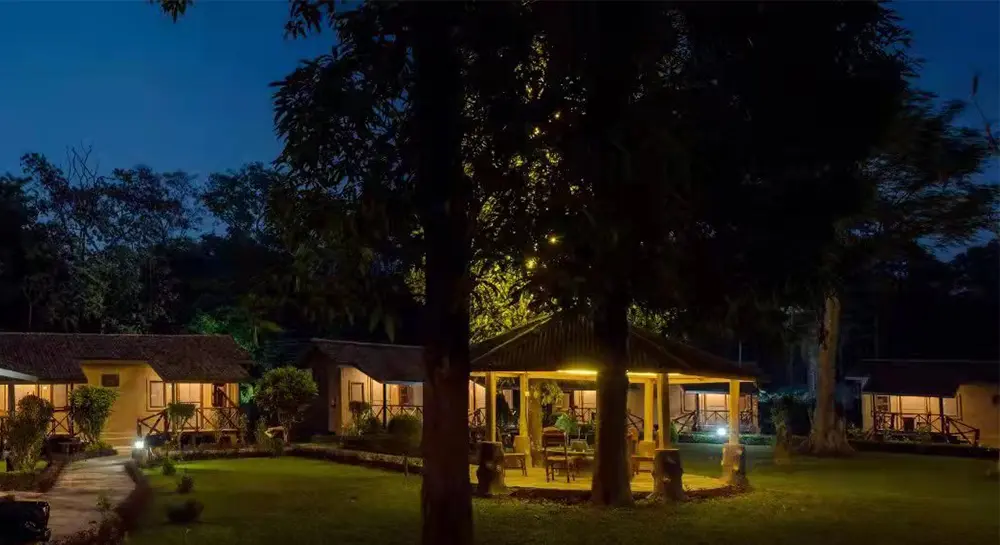
Accommodation varies across Nepal’s national parks based on the landscape, trekking routes, and accessibility. Parsa, Shuklaphanta, and Banke have hotels, lodges, and guesthouses near their park gateways for safari and wildlife trips. Langtang, Sagarmatha, Rara, Shey-Phoksundo, and Makalu-Barun mainly offer teahouses, trekking lodges, guesthouses, homestays, and camping along trekking routes.
Higher and more remote areas generally have basic facilities, while popular trekking centers offer rooms, meals, electricity, hot showers, and Wi-Fi where available. Travelers should choose accommodation according to their trekking or wildlife itinerary, comfort level, budget, and season.
Accommodation in Chitwan and Bardiya
Chitwan offers a wide selection of safari hotels and jungle resorts. For travelers looking for an upgraded stay, we arrange properties such as Soaltee Westend Resort Chitwan, Jagatpur Lodge, Barahi Jungle Lodge, Meghauli Serai, Tiger Tops Tharu Lodge, and Kasara Resort. For travelers seeking comfortable accommodation at a different price point, we also arrange Hotel Parkland Chitwan, Safari Adventure Lodge, Sanctuary Chitwan National Park, Banbas Resort, Green Park Chitwan, Landmark Forest Park, River Bank Jungle Resort, and Hotel Aikawa.
For travelers visiting Bardiya National Park, we arrange stays at Bardiya Jungle Resort, Bardiya Eco Lodge, and Babai Resort. These properties provide convenient bases for wildlife activities and fit perfectly into our Bardiya wildlife packages. Thakurdwara is the main tourism area and provides access to many of the park’s safari and nature activities, making it a practical base for exploring Bardiya National Park.
Frequently Asked Questions
1. Which national park is best for a first wildlife trip in Nepal?
Chitwan National Park is one of the best choices for a first wildlife trip in Nepal because it combines easily accessible safari areas with well-maintained accommodation, guides, and several ways to explore the park.
2. Where in Nepal is the best place to see a one-horned rhino?
Chitwan National Park is the best place to see the greater one-horned rhinoceros. Most of Nepal’s rhino population gathers in the Chitwan National Park landscape, making it the country’s leading destination for rhino sightings. Other populations occur in Bardiya, Parsa, and Shuklaphanta National Parks.
3. Which national park is best for tiger watching in Nepal?
Bardiya and Chitwan are the main choices for travelers interested in Bengal tigers. Bardiya appeals to visitors seeking a quieter wilderness setting, while Chitwan offers easier access and a wider range of tourism services.
4. Is Chitwan National Park suitable for families?
Yes. Chitwan is a good choice for families because it offers different activities that families can plan around their members’ ages and interests. A private vehicle, comfortable accommodation, shorter nature walks, birdwatching, and canoe trips can make the experience easier for families.
5. Can I visit a national park in Nepal without going on a safari?
Yes. Many national parks offer experiences beyond traditional jeep safaris. Depending on the park, you can enjoy jungle walks, birdwatching, canoe or boat rides, trekking, mountaineering, nature walks, and cultural experiences.
6. Which national park is best for birdwatching in Nepal?
Different protected areas attract different bird species, but Koshi Tappu Wildlife Reserve is particularly important for birdwatching because of its river and wetland habitats. It is a wildlife reserve rather than a national park and makes a strong addition to a Nepal wildlife itinerary.
7. Can I combine Chitwan with other national parks?
Yes. If you have more time, you can combine Chitwan and Bardiya to experience two different wildlife areas in Nepal’s Terai region. You can also add other protected areas based on your route and interests, but travel time between destinations should be considered when planning the itinerary.
8. Do national parks in Nepal guarantee wildlife sightings?
No. Wildlife remains unpredictable, and wildlife sightings cannot be guaranteed in Nepal National Park. Our experienced guide can help you choose the best route by tracking the signs, but every safari remains a genuine wildlife experience with no guaranteed sightings.
Conclusion
Nepal’s national parks offer a wide range of experiences, from wildlife and nature in the Terai and grasslands to the Himalayas. Overall, Chitwan and Bardiya stand out for wildlife and safaris, and others, like the national parks Langtang, Sagarmatha, Rara, Shey-Phoksundo, Makalu-Barun, Parsa, Shuklaphanta, and Banke, stand for trekking and nature explorations.
If you have a short time, Chitwan is a practical choice for a 2–3 day wildlife tour, with jeep safaris, jungle walks, canoe rides, birdwatching, and Tharu cultural experiences.
And if you have more time and want to explore wildlife, nature, and a wide variety of wildlife, you can go to Bardiya. We customize both wildlife tours in Chitwan and Bardiya, including transportation, accommodation, safari activities, and local guides. You can contact Chitwan Jungle Safari Tour for all types of Safari packages.