Chitwan National Park is a natural beauty treasure and one of the most iconic sites of Nepal. The facts about Chitwan National Park explain why the region is a destination for travelers, nature lovers, and wildlife photographers across the globe. The park, in the southern lowlands of Terai, comprises dense vegetation, expansive grasslands, fertile wetlands, and serene river systems, making it one of the most biodiverse sites in Nepal. Here are some important Chitwan National Park Facts you should know.
This being a leading Chitwan travel fact, a visitor is able to view wildlife quite closely, something that is not common in most areas of Asia. The climate and fertile plant life, which are green and warm, present ideal living conditions to hundreds of species.Understanding Chitwan National Park Facts can significantly enhance your visit.
Among the Chitwan wildlife facts that are of the greatest importance is the fact that the park includes species of endangered animals such as the one-horned rhinoceros, Royal Bengal tiger, and gharial crocodile. It is a UNESCO World Heritage Site, which highlights its ecological significance in the world. Tourists visiting Chitwan jungles will have the opportunity to go on jeep safaris, go birdwatching, take canoe tours, and go on guided nature walks. The combination of culture, nature, and wildlife makes the Chitwan safari an ideal place to visit, enriched by the Chitwan National Park Facts.
These facts about Chitwan National Park explain why the region is known as the Wild Heart of Nepal. Whether it is the exploration of its forests, the observation of animals in the wilderness, or learning more about conservation, Chitwan is a place that will remain memorable to every traveler.
Wildlife Facts in Chitwan National Park
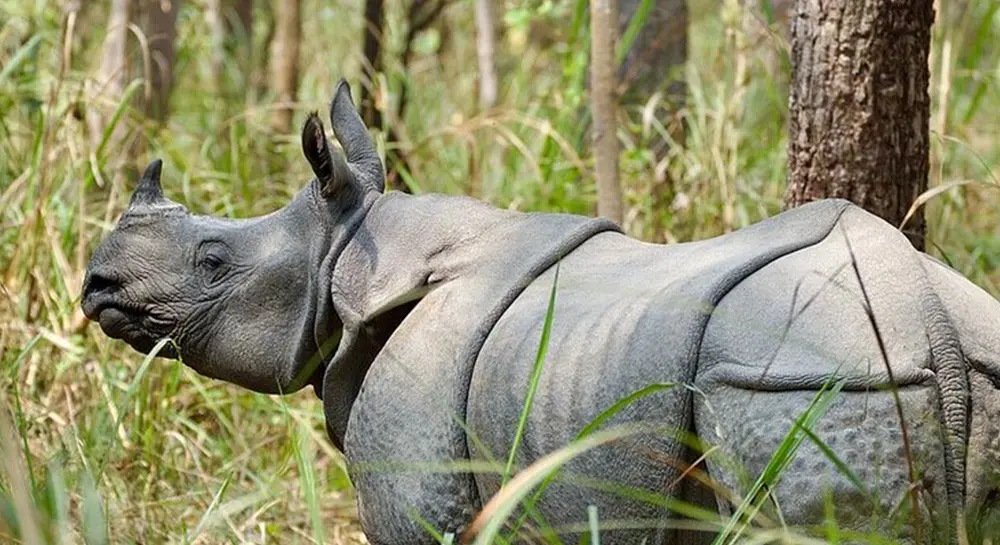
The Chitwan National Park is associated with one of the most interesting Chitwan National Park Facts, which is the extraordinary wildlife. The park is most famous for the preservation of the endangered species, particularly the one-horned rhinoceros, Bengal tiger, wild elephants, and sloth bears. The wildlife facts about Chitwan make it one of the best jungle safari spots in Asia. The presence of rhinos roaming freely in the grasslands or the tracks of tigers in the forest trails makes each visit interesting.
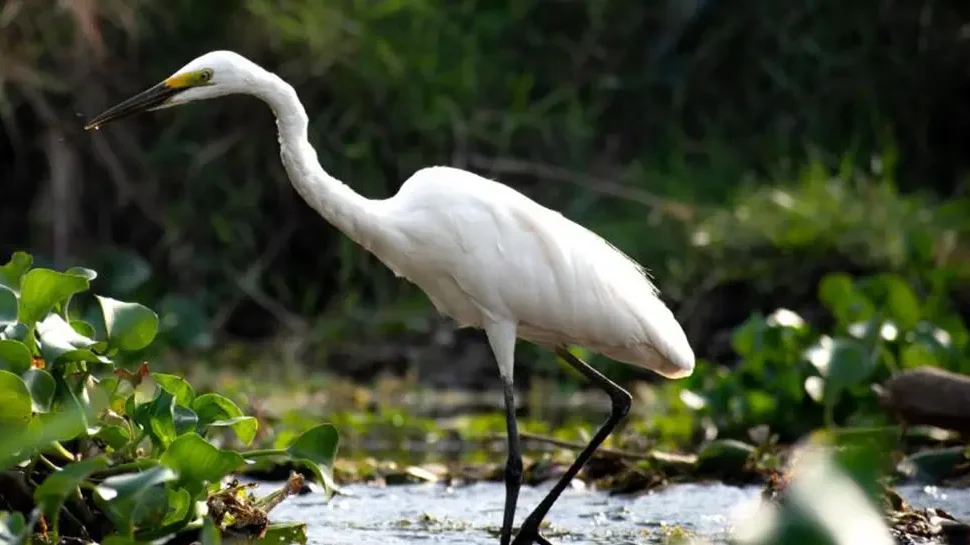
In addition another Chitwan National Park Facts is Chitwan is also the home of more than 540 species of birds, which is one of the highest totals of birds in Asia. This renders the park a haven for birdwatching. The riverbanks and forests are full of kingfishers, hornbills, peacocks, eagles, and migratory birds. Such amazing Chitwan bird facts indicate the abundance of the ecosystem. There are gharials and marsh muggers, as well as other aquatic species in the Rapti and Narayani rivers, and their presence makes the rivers all the more diverse.
These Chitwan travel facts bring out the significance of conservation programs that can save the wildlife from poaching and habitat loss. Guided tours, nature walks, and canoe tours will allow visitors to safely interact with animals and learn about ecological balance and species protection. All the wildlife encounters in Chitwan turn into a recollection of nature in its cleanest form.
Rivers and Natural Habitat of Chitwan National Park
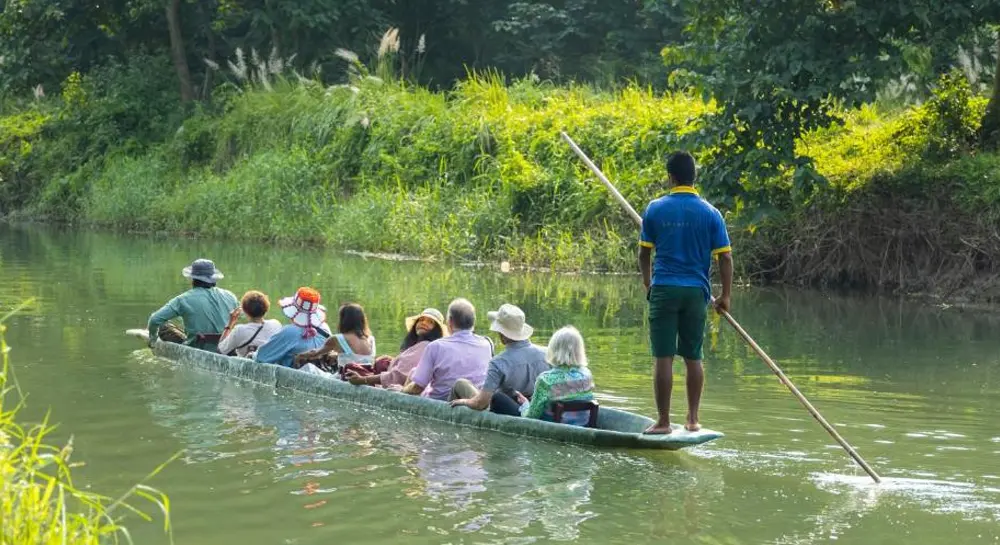
For true Chitwan National Park facts , it is important to understand the rivers. The park has three large rivers that are called Rapti, Reu, and Narayani that form fertile wetlands, grasslands, and forests. These rivers provide fresh water throughout the year, thus making them lifelines to wildlife. The freshwater fish, gharials, amphibians, and crocodiles survive in river ecosystems. The fact that these waterways support over 540 bird species further enhances Chitwan’s biodiversity.
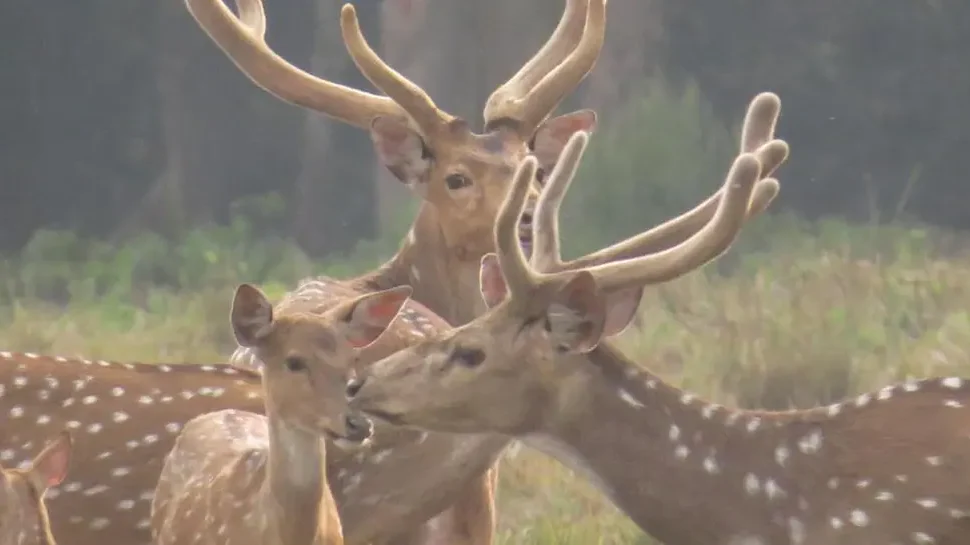
These Chitwan habitat facts demonstrate the way in which water systems determine the environment, animal movement, and vegetation growth. On safari, tourists usually observe rhinos taking water at the riverbanks, monkeys playing in between the trees, and deer grazing close to the water. Canoe ride on the Rapti River is one of the most common activities that can be done, and gives close-ups of crocodiles and exotic birds.
The rivers provide natural beauty to the environment, besides wildlife. Green forests, sands, and golden grasslands are a perfect mix in providing photography and exploration. These facts about Chitwan tourism show that rivers help maintain ecological balance and natural life cycles. When the visitors go through the rivers and wetlands, they get to understand the true spirit of the wild nature of Chitwan.
Safari and Adventure Experiences in Chitwan National Park
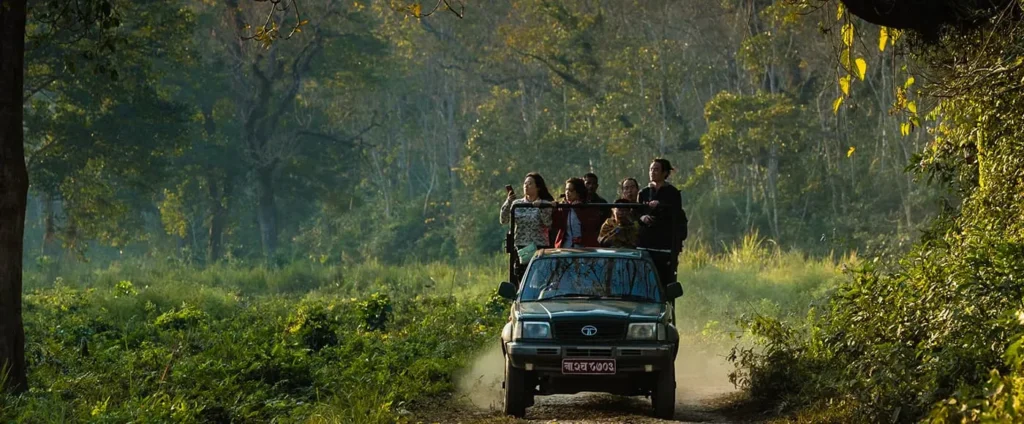
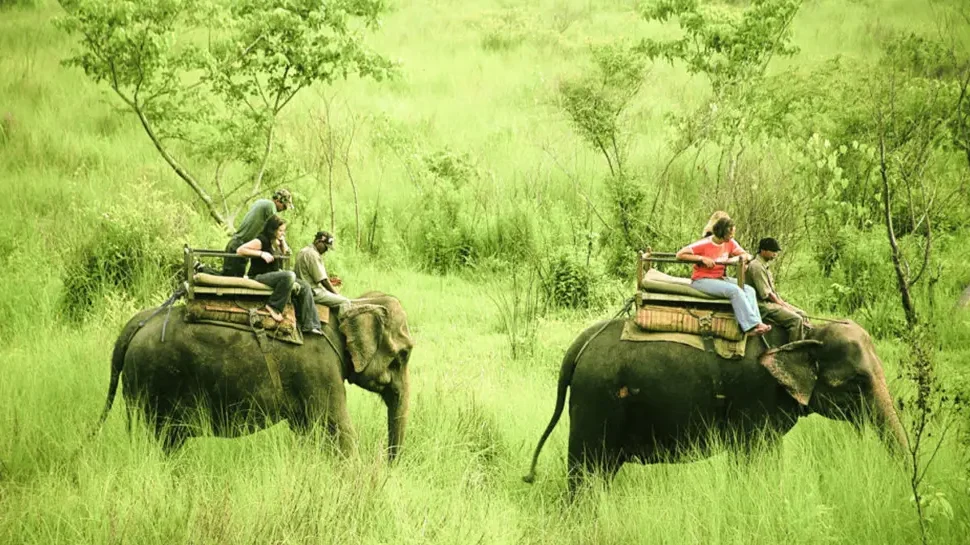
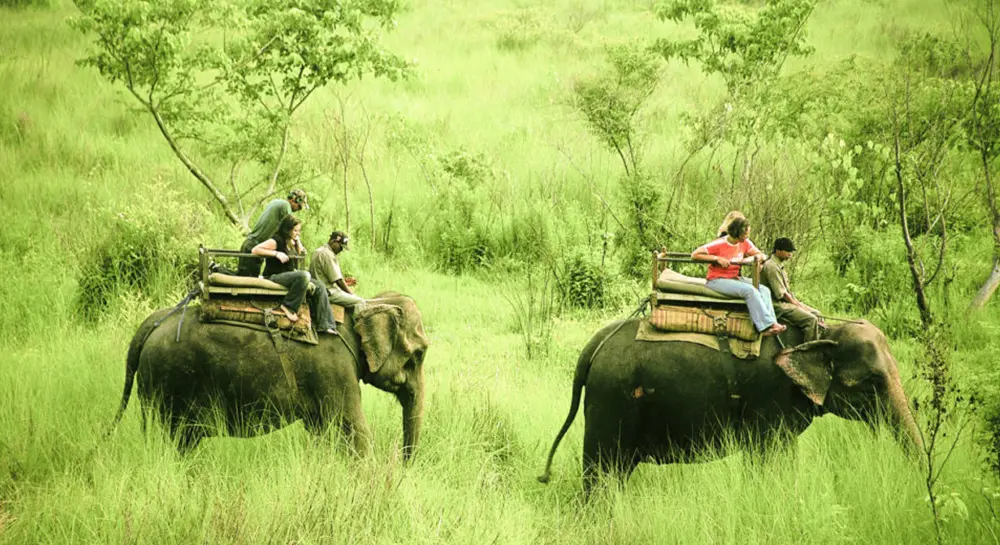
Chitwan is also famous because it provides some of the best Asian safari experiences. These facts about Chitwan National Park demonstrate the wide range of adventure activities available. Jeep safaris enable visitors to venture further into the jungle in a short period of time, whereby they get to observe rhinos, deer, sloth bears, and, in rare cases, Bengal tigers. Elephant safaris offer a big picture of the forest and a close-up experience of wildlife.
The walking safaris are ideal for those who enjoy an adventure and will get a deeper experience of the jungle.
The fourth thrilling fact about Chitwan is that canoe rides on the Rapti are very popular. This adventure is a relaxing exercise that allows the tourists to view crocodiles, waterfowl, and river environments at an easy and secure distance. Another big attraction is the birdwatching tours, particularly among the photographers who want to shoot the rare species of Chitwan.
One of the most informative sections of the Chitwan tourism is the Elephant Breeding Center, where a visitor will receive information about the care and protection of the elephants. Cultural exposure to the Tharu community usually accompanies wildlife exploration, making adventure activities more human-centered. These Chitwan travel facts indicate that the park introduces a perfect combination of nature, adventure, and cultural education, and thus makes it an ideal place to visit for all classes of travelers.
Tharu Culture and Local Life in Chitwan

The close relationship that exists between the Tharu community and the natural environment is one of the most important Chitwan National Park Facts. The Tharu people are the native inhabitants of the Terai region, and they have worked in harmony with nature for centuries. Their indigenous way of life, environmental friendliness, and cultural strength position them as a vital component of Chitwan identity.
Tourists can visit Tharu villages to get to know about some factual Chitwan culture. Their rich heritage is reflected in the traditional Tharu dance shows, village walks, and local food experiences. The Tharu stick dance, which is a dance performed in cultural shows symbolizes courage and solidarity. Their houses are naturally constructed and handmade, which is the manifestation of their deep knowledge of biodiversity and sustainable living.
The other noteworthy Chitwan travel fact is that the Tharu community is concerned with wildlife conservation. Most of them are nature guides, conservationists, or tourism operators, and they have a direct role in animal and natural habitat protection. They are excellent educators on the ecology of Chitwan because they know plants, forests, and wildlife well, and visitors wishing to learn about these topics use them as their teachers.
The combination of the Tharu culture and the jungle safari is a full package. These facts about Chitwan National Park help remind people visiting this area that their cultural heritage is significant in the region, to an equal extent as the wildlife.
Best Time to Visit Chitwan National Park
The most acceptable Chitwan National Park fact for travelers is knowing when to visit. The most perfect time is from October to March, as it is dry and pleasant and has good weather to engage in the wildlife business. The temperatures during these months are between 15 oC and 25 oC, so jeep safaris, walking tours, and canoeing are comfortable and enjoyable. It has great visibility, which augurs well in sighting rhinos, deer, and even monkeys, not to mention tigers.
Another important fact about Chitwan for travelers is that winter mornings create a beautiful landscape due to the mist, while afternoons are ideal for taking photographs because of the clear atmosphere. The spring season (March-May) is warmer, yet it is a good season to watch birds since most species are busy at this time.
Nevertheless, monsoon weather (June-September) is very rainy, and this may cause trails to be muddy and rivers to be up. It is not a good time to go on a safari, but it is a perfect time to go to greenery with minimal crowds. These Chitwan wildlife facts can ensure that the visitors select the most ideal period of the year to pay a visit to Chitwan.
During the planning of your trip, you must make sure that you do it at the best time so that your safari experience can be made memorable, the weather is favorable, and the wildlife sighting will be the best. These facts about Chitwan National Park will help the visitors to arrive at a safe, enjoyable, and planned adventure.
Conservation Efforts in Chitwan National Park
One of the most important aspects of Chitwan National Park is conservation. The park has been known all over the world as successful in terms of saving endangered species. Nepal is a huge conservation success, with the population of one-horned rhinoceros growing tremendously due to the stringent anti-poaching efforts. As a leading fact about Chitwan, visitors can view wildlife up close, which is uncommon in most areas of Asia. People also provide sustainable tourism and wildlife conservation through tour guides, forest monitors, and environmentally sustainable practices.
Chitwan also implements habitat restoration, water management, and wildlife rescue programs, ensuring the balance of animals and the ecosystem. Another crucial initiative that helps in the preservation of the endangered fish-eating crocodile is the Gharial Conservation Program located in the Rapti and Narayani rivers.
These conservation facts of Chitwan indicate how the park is not just a tourist attraction site but also a critical ecological sanctuary. Visitors can help protect Nepal’s natural heritage in the long term by helping local communities, making responsible travel choices, and admiring wildlife.
For more info You can reach out to us by filling this form—here.
or you can reach out to us via this website too – here
CONCLUSION
The Chitwan National Park is an active embodiment of the Nepalese natural and cultural riches. These Chitwan National Park facts explain why the park is considered one of the most valuable wildlife sanctuaries in Asia. Chitwan is an experience that cannot be matched anywhere across the world, whether it is the grand one-horned rhinoceros and the Bengal tiger, the colorful Tharu culture, or the variety of river systems.
The park has a wonderful biodiversity; wildlife is very intriguing in its behavior, and habitats are well preserved to offer a never-ending learning experience to the travelers. Understanding these facts about Chitwan travel will help tourists navigate the delicate balance between conservation and tourism. With responsible travel behavior, assistance to the local communities, and respect for wildlife, tourists will contribute to the current success story of the park.
Chitwan can be visited all year round, but from October to March, the weather is ideal, and thus the safaris and bird-watching activities are best. Activities can include deep forest exploration, meandering across rivers, or spending evenings in Tharu villages; regardless of the activity, the experience lingers long after you leave.
These Chitwan National Park facts will lead any tourist on a significant, secure, and memorable adventure in the wild heart of Nepal.