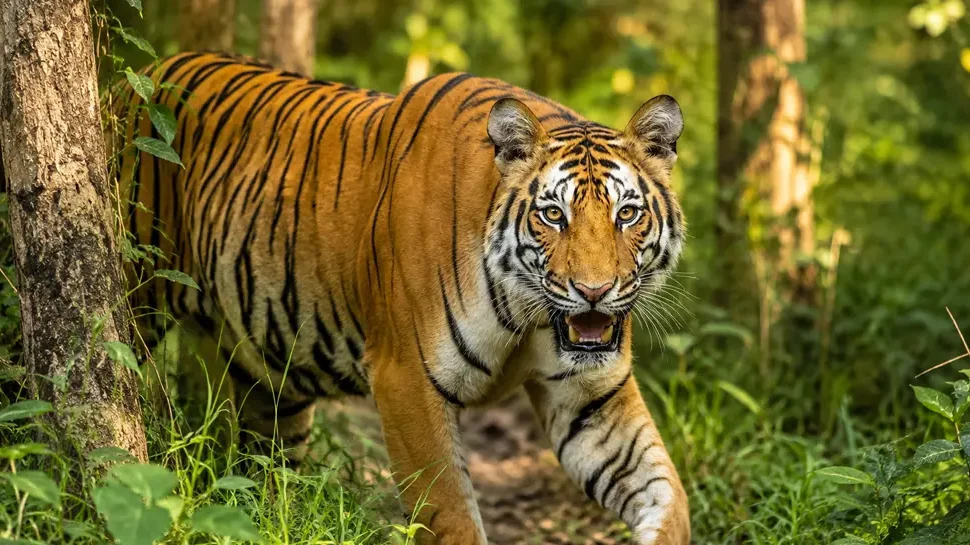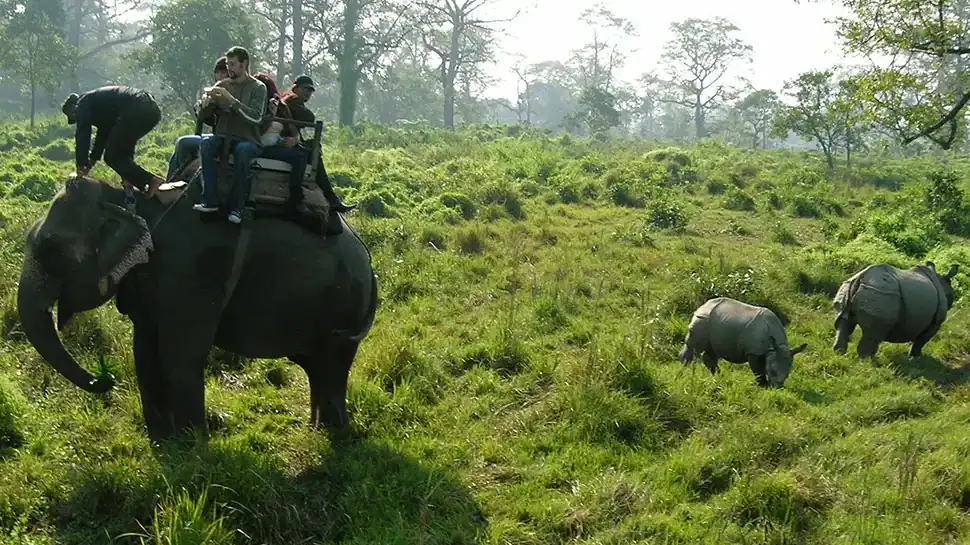
Planning a wildlife holiday in South Asia? Nepal and India offer some of the region’s best opportunities to explore protected forests, grasslands, wetlands, and river habitats. Two destinations worth comparing are Chitwan National Park in Nepal and Kaziranga National Park in Assam, India.
Both protect the greater one-horned rhinoceros and support diverse wildlife, but they offer different safari experiences, landscapes, cultural activities, and travel opportunities.
Established in 1973, Chitwan National Park was Nepal’s first national park and became a UNESCO World Heritage Site in 1984. Its forests, grasslands, rivers, and wetlands support rhinos, Bengal tigers, gharials, and hundreds of bird species.
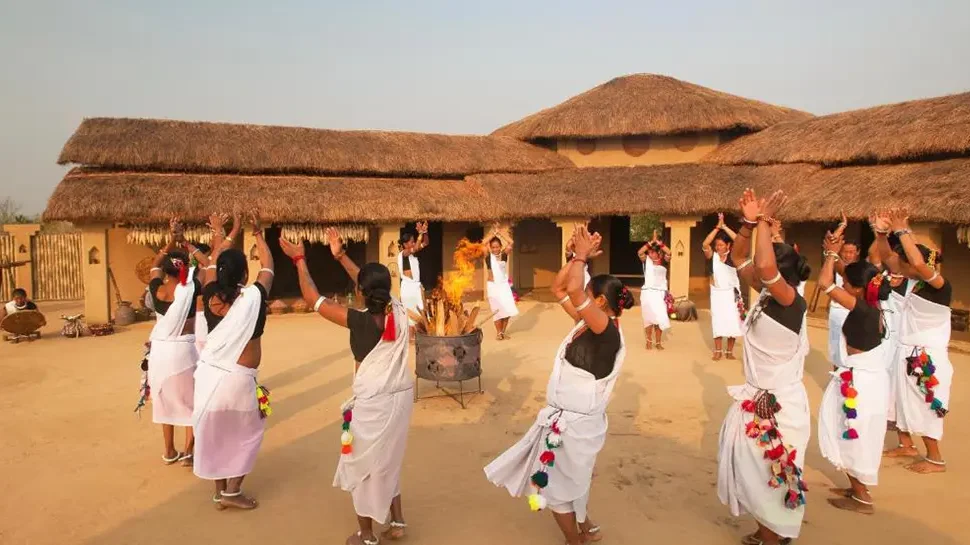
Visitors can combine jeep safaris with canoe trips, guided nature walks, birdwatching, and opportunities to experience Tharu culture. Its location also makes it a practical addition to a Nepal itinerary that includes Kathmandu or Pokhara.
Kaziranga offers a different experience, particularly for travelers whose main goal is to explore a major rhino habitat. Conservation efforts in the area date back to the early 1900s; it became a national park in 1974 and a UNESCO World Heritage Site in 1985.
Its broad floodplains, tall grasslands, and wetlands provide habitat for a large population of one-horned rhinos, along with wild buffalo, swamp deer, elephants, and many bird species. Jeep safaris allow visitors to explore different parts of the park.
So which park is worth choosing? If you want to combine wildlife viewing with cultural experiences and visiting other destinations in Nepal, Chitwan is a good choice. If you are planning a trip focusing on wildlife in India, then Kaziranga is a good option.
Before you decide, consider travel dates, total trip budget, transportation, lodging, and desired activities, as neither park guarantees sightings. This guide compares the two parks and helps you decide on the best safari for your plans.
Chitwan vs. Kaziranga: Quick Comparison
| Feature | Chitwan National Park | Kaziranga National Park |
| Country | Nepal | India |
| Location | Southern Nepal: Sauraha is a popular base | Assam, Northeast India |
| Main attraction | Rhinos, jungle safaris, and cultural experiences | Rhinos and diverse floodplain wildlife |
| Established | 1973 | 1974 as a national park |
| Landscape | Forests, grasslands, rivers, and wetlands | Grasslands, wetlands, and floodplains |
| Wildlife | Rhinos, tigers, deer, gharials, and birds | Rhinos, elephants, wild buffalo, tigers, and birds |
| Activities | Jeep safaris, canoe rides, birdwatching, and cultural visits | Jeep safaris and wildlife viewing |
| Travel combination | Kathmandu, Pokhara, and other Nepal destinations | Guwahati and other Northeast India destinations |
| Best for | Wildlife, culture, and a varied Nepal holiday | Travellers prioritizing rhino and wildlife viewing |
Rhino Sightings: Which Park Should You Choose?
The greater one-horned rhinoceros attracts tourists to both Chitwan National Park in Nepal and Kaziranga National Park in India. Each park’s conservation history, habitat, and safari experiences help wildlife enthusiasts understand what they can expect at each destination.
Greater One-Horned Rhinos in Chitwan
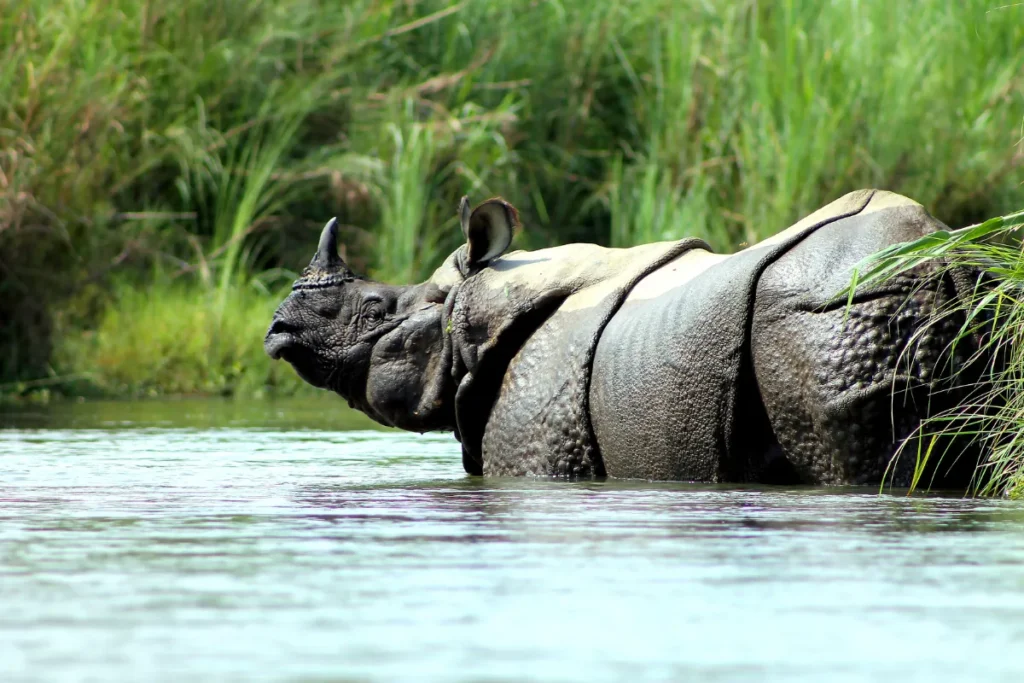
Chitwan National Park is a major center for greater one-horned rhino conservation in Nepal. The country’s 2021 national rhino count recorded 752 rhinos nationwide, including 694 in Chitwan National Park, its buffer zone, and adjoining forests. The remaining animals were recorded in Bardia, Shuklaphanta, and Parsa, including their surrounding areas.
These figures refer to the 2021 census, not a confirmed 2026 population estimate. Nepal’s planned 2025 count was suspended because of funding shortages.
Chitwan’s grasslands, forests, and riverine habitats support rhinos alongside deer, birds, and other wildlife. Visitors can look for rhinos during authorized jeep safaris, guided nature walks, and canoe trips where available.
Tharu cultural experiences also allow travelers to learn about the local community and its traditions. Check current park regulations and local arrangements before planning specific activities.
Chitwan suits travelers who want to combine wildlife viewing with cultural experiences and visits to other Nepal destinations, such as Kathmandu and Pokhara.
Greater One-Horned Rhinos in Kaziranga
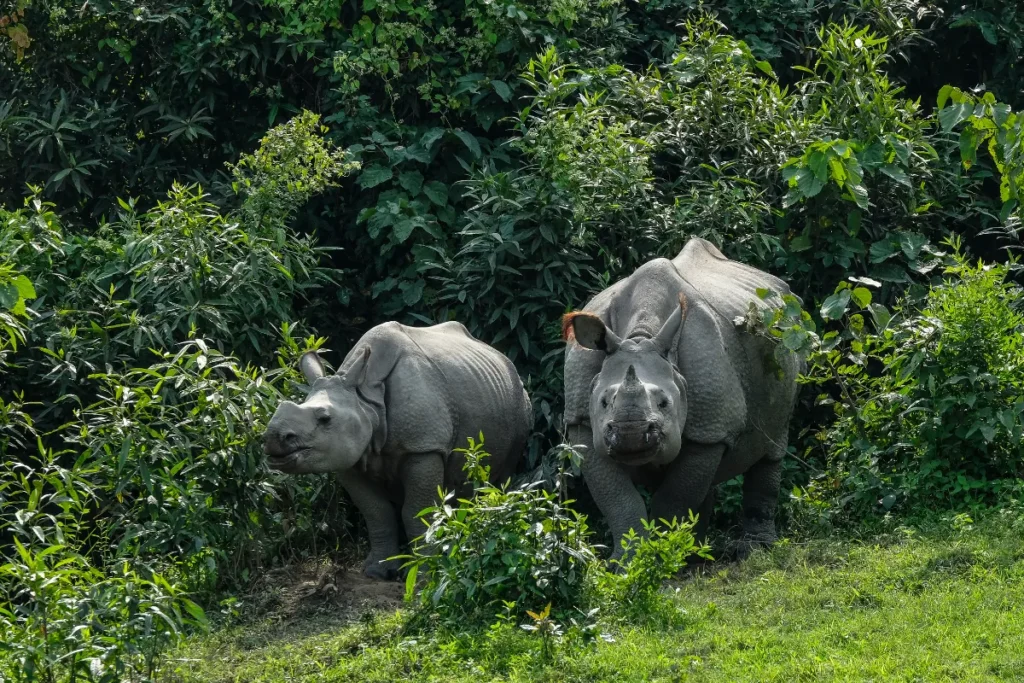
Kaziranga is one of the world’s best-known strongholds for the greater one-horned rhinoceros. Its grasslands, wetlands, and Brahmaputra floodplain provide habitat for rhinos, elephants, wild water buffalo, swamp deer, and numerous bird species.
Kaziranga’s conservation history dates to the early 1900s, when declining rhino numbers prompted efforts to protect the area. The government established the Kaziranga Proposed Reserve Forest in 1905, followed by Reserved Forest status in 1908.
The area became a Game Sanctuary in 1916, a Wildlife Sanctuary in 1950, and a National Park in 1974. UNESCO designated it a World Heritage Site in 1985.
According to published census figures, Kaziranga recorded 2,613 rhinos in March 2022, compared with 2,413 in 2018. These are historical census results, not a verified estimate of the park’s population in 2026.
Visitors can explore authorized jeep-safari routes to look for rhinos and other wildlife. Open grasslands can offer good viewing opportunities, although vegetation, weather, route selection, and animal movements affect visibility.
Kaziranga is worth considering for travelers planning a wildlife-focused trip in Northeast India, particularly those interested in exploring a floodplain ecosystem known for its rhino conservation.
Does a Larger Rhino Population Guarantee Better Sightings?
No. Census figures indicate the conservation importance of a park, but they cannot predict what visitors will see on a particular safari. Rhinos move between habitats, vegetation can obstruct views, and weather may affect access to certain areas.
Both parks offer opportunities to look for greater one-horned rhinos in their natural habitats, but sightings are never guaranteed. Consider the season, safari options, travel logistics, and the wider experiences you want from your trip when choosing between Kaziranga and Chitwan.
Safari Experiences and Other Wildlife
Chitwan and Kaziranga offer different ways to explore wildlife habitats. Kaziranga is known for its open grasslands, wetlands, and floodplains, where visitors can look for rhinos and other large mammals. Chitwan offers a wider range of activities, including jeep safaris, birdwatching, canoe rides where available, guided nature walks, and Tharu cultural visits.
Safari Experiences in Kaziranga National Park
- Jeep Safari:
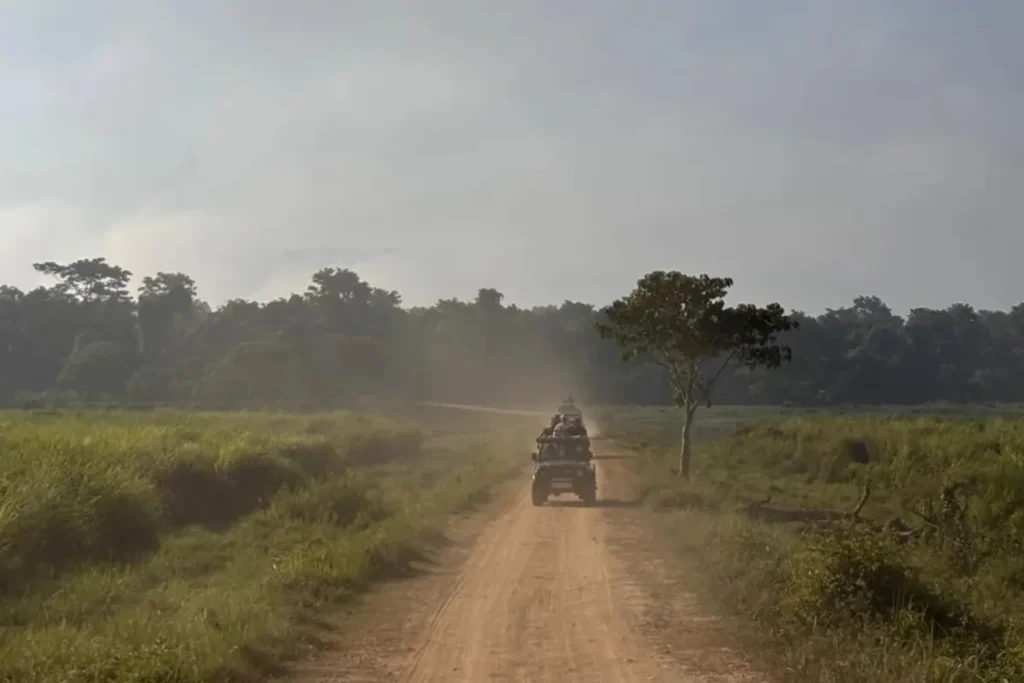
Explore authorized safari routes through Kaziranga’s grasslands and wetlands. During the drive, you may spot greater one-horned rhinos, Asian elephants, wild water buffalo, swamp deer, and other wildlife.
The open landscape offers good viewing opportunities when animals are visible, though sightings depend on the route, season, weather, and animal movements.
- Birdwatching:
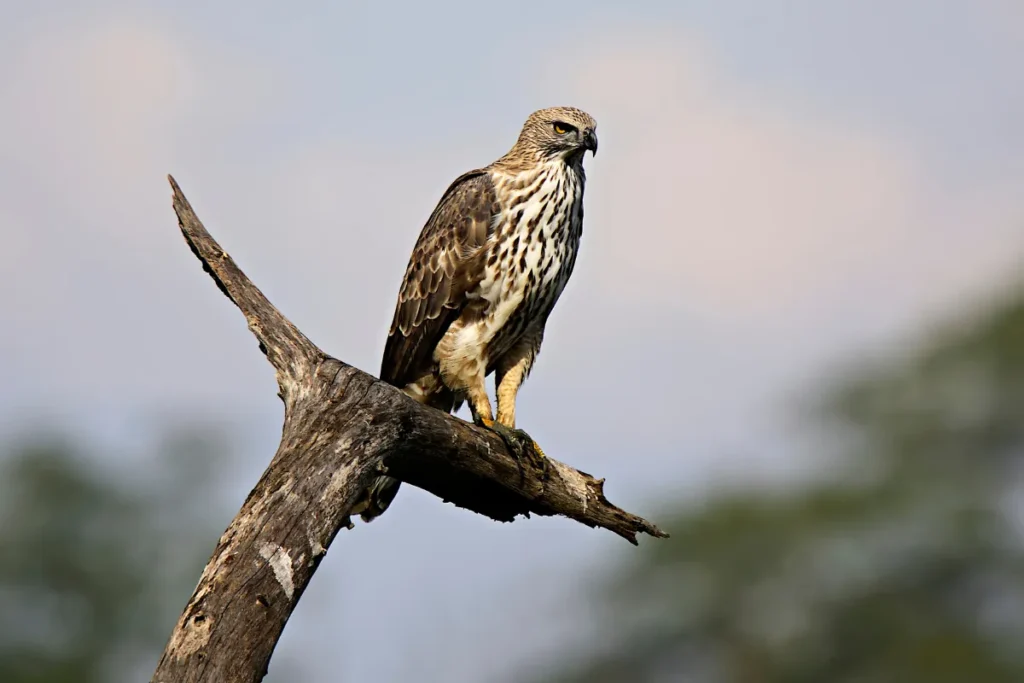
Observe birds in Kaziranga’s wetlands, grasslands, and forested areas. The park supports resident and migratory species, making it an appealing destination for birdwatchers and nature enthusiasts.
- Wildlife Photography:
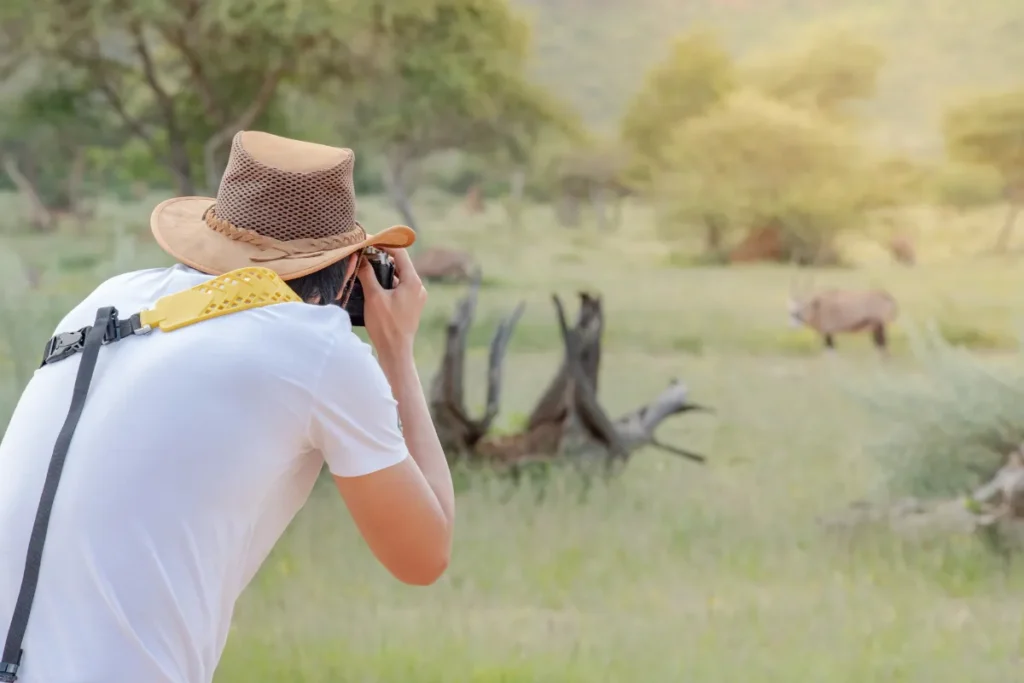
Photograph rhinos, elephants, deer, birds, and natural landscapes during a safari. Open grasslands can provide clear backgrounds when animals are visible, but vegetation and viewing conditions vary across the park.
Safari Experiences and Other Wildlife Activities in Chitwan National Park
- Jeep Safari
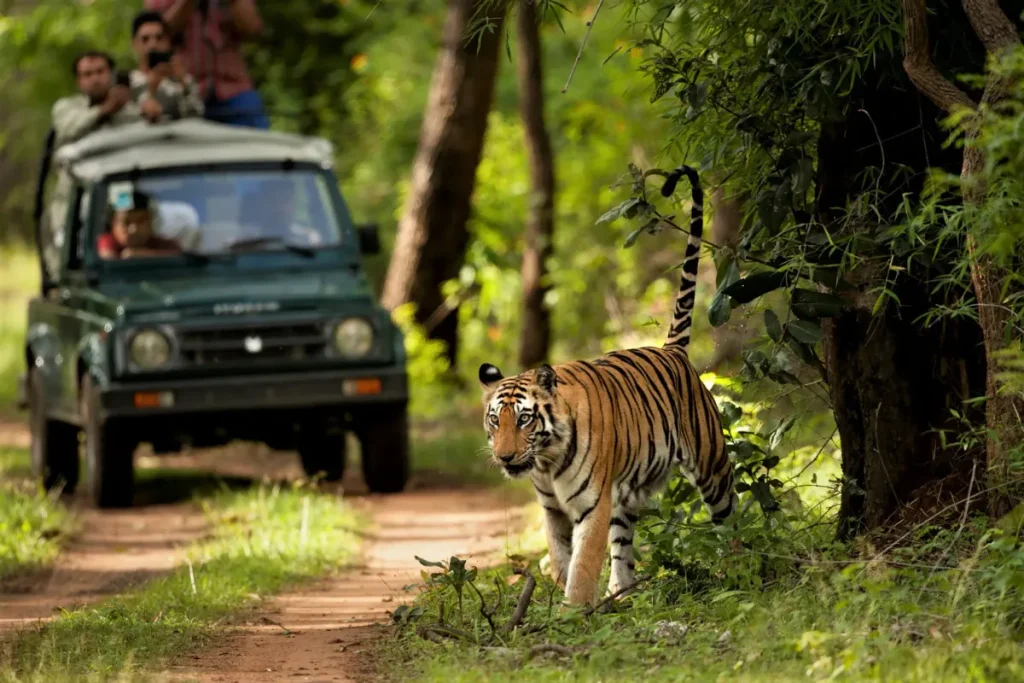
Jeep safaris let visitors explore Chitwan’s grasslands and Sal forests while looking for rhinos, spotted deer, wild boar, langur monkeys, and peafowl. Morning drives often offer cooler conditions, but wildlife sightings depend on animal movements, weather, and visibility.
Follow your guide’s instructions and keep a respectful distance from wildlife.
- Birdwatching Tour
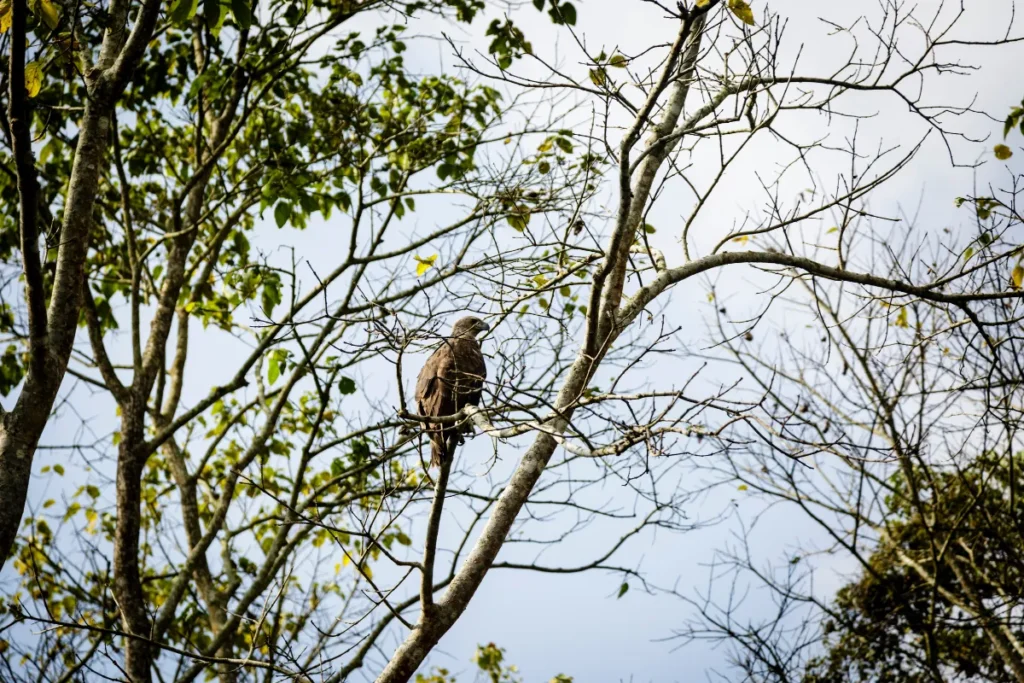
Chitwan supports more than 500 recorded bird species, including kingfishers, hornbills, woodpeckers, herons, and egrets. Early morning is a good time for birdwatching, and winter can bring migratory species alongside resident birds.
A local naturalist and binoculars can help you identify birds in forests, wetlands, and along riverbanks.
- Boating and Canoe Rides
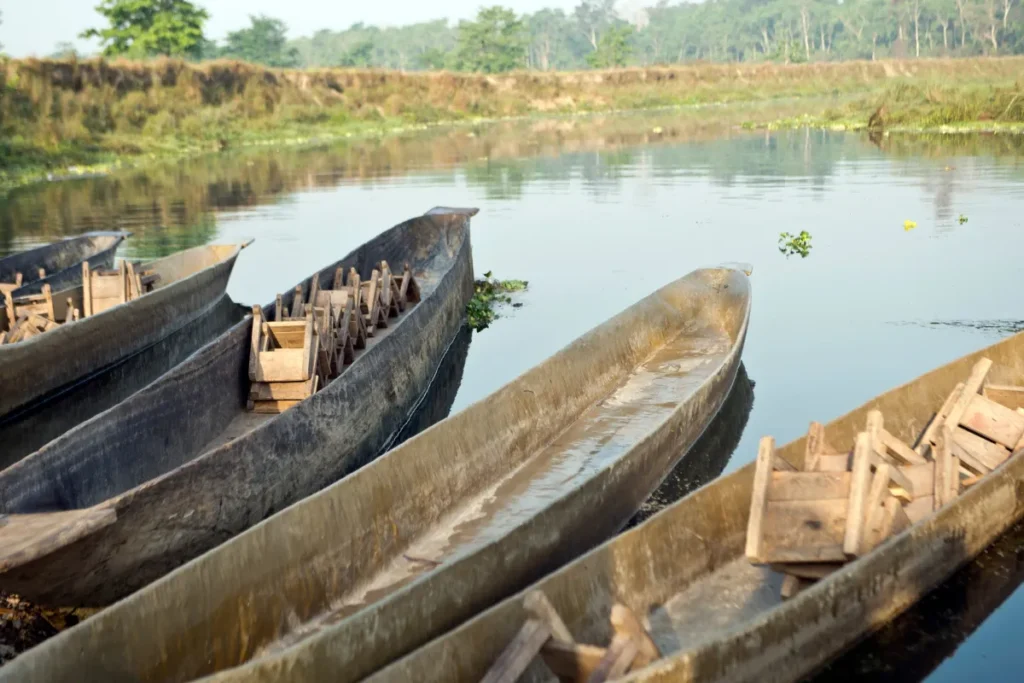
A canoe ride on the Rapti River is a calm way to see Chitwan’s river life. Local boatmen paddle traditional dugout canoes along the banks. Look for kingfishers, marsh mugger crocodiles, and other water birds. You might even spot a gharial resting on the shore.
What you see depends on the season and how the animals move. Listen to your boatman, stay seated, and keep your distance from wildlife. Check the water levels and park rules before you book.
- Walking Tour of the Jungle
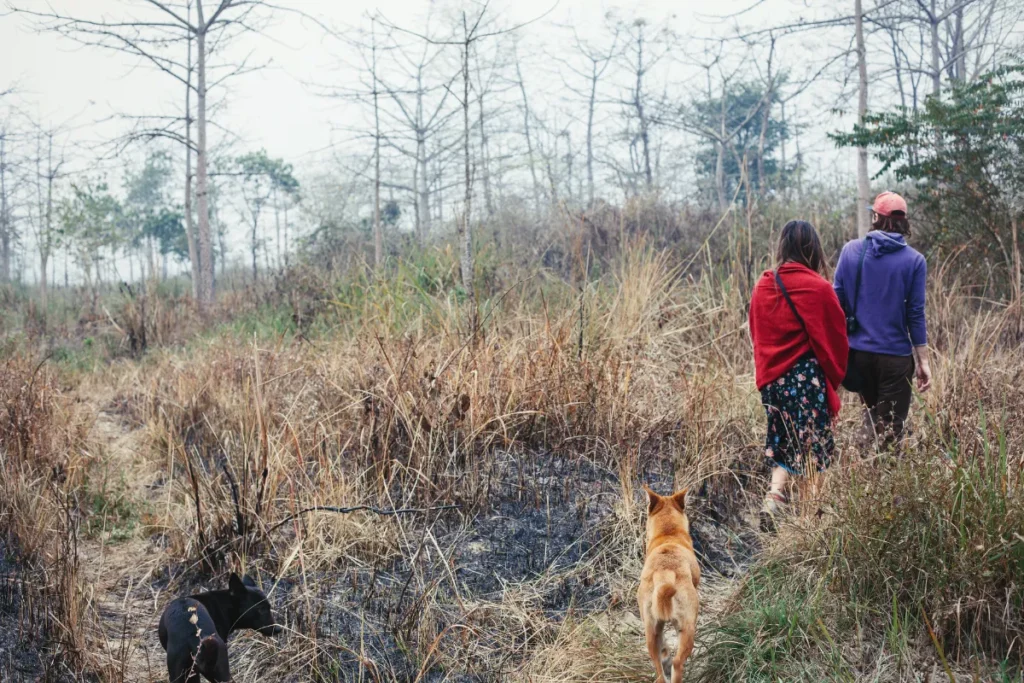
A guided jungle walk lets you see details you would miss from a jeep. Search for animal footprints, claw marks on trees, termite mounds, and forest birds. Trained guides lead the walk and explain wildlife signs.
Most walks last two to four hours, depending on the route and local rules. Wear comfortable clothes, stay with your group, and follow your guide. Confirm which areas allow guided walks before you book.
- Tharu Village Cultural Tour
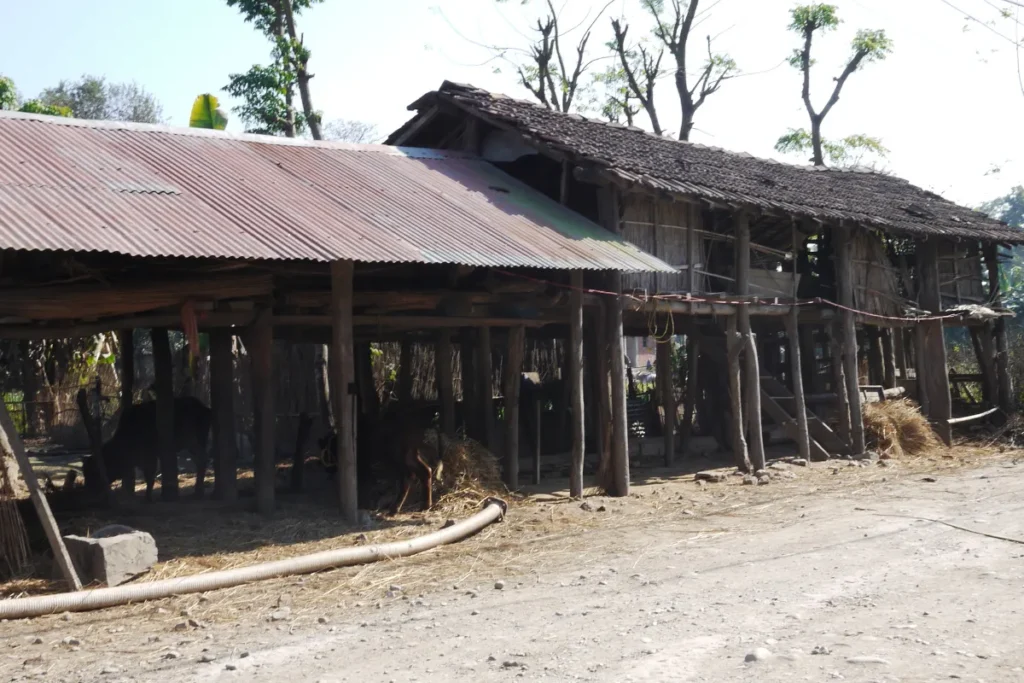
A Tharu village tour shows you the culture and daily life of Chitwan’s indigenous Tharu people. Walk through traditional villages, see local houses, learn how families farm, and browse handmade crafts. Some programs include the Tharu stick dance, which features drums and rhythmic clapping.
You will also learn how local communities live beside Chitwan National Park. Pick a community-run program when you can, so your money supports local families.
- Elephant Breeding Center Visit
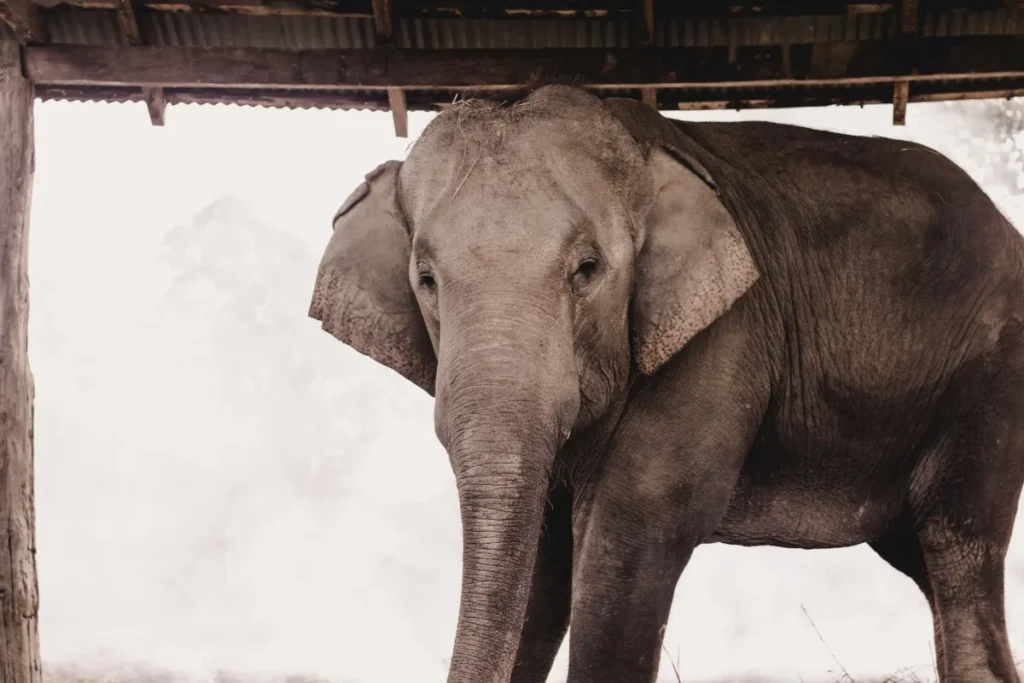
The Elephant Breeding Center visit near Sauraha teaches you about elephants born and raised in captivity. You can learn how staff care for the animals, how breeding works, and what role elephants play in park management.
You may also see adult elephants and calves. You do not need to ride or bathe the elephants on this visit. Check the opening hours and current visitor rules before you go.
- Jungle Tower Stay
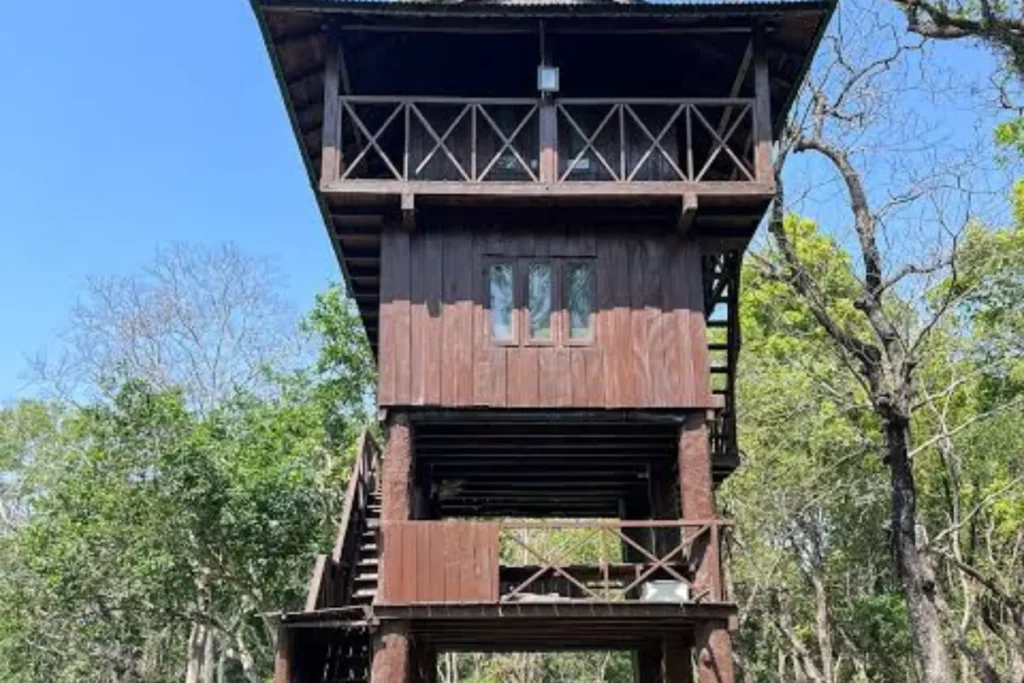
A jungle tower stay gives you a quiet view of Chitwan’s wildlife. You sit in a raised watchtower that overlooks a clearing, grassland, or waterhole. Animals often come here to drink or feed. Deer, birds, and other wildlife appear most often in the early morning and late afternoon.
This stay suits travelers who like to watch wildlife quietly instead of chasing sightings on a safari drive. No one can guarantee a sighting, so bring patience and follow all safety rules. Pack warm clothes if you plan to stay overnight in winter.
- Wildlife Photography
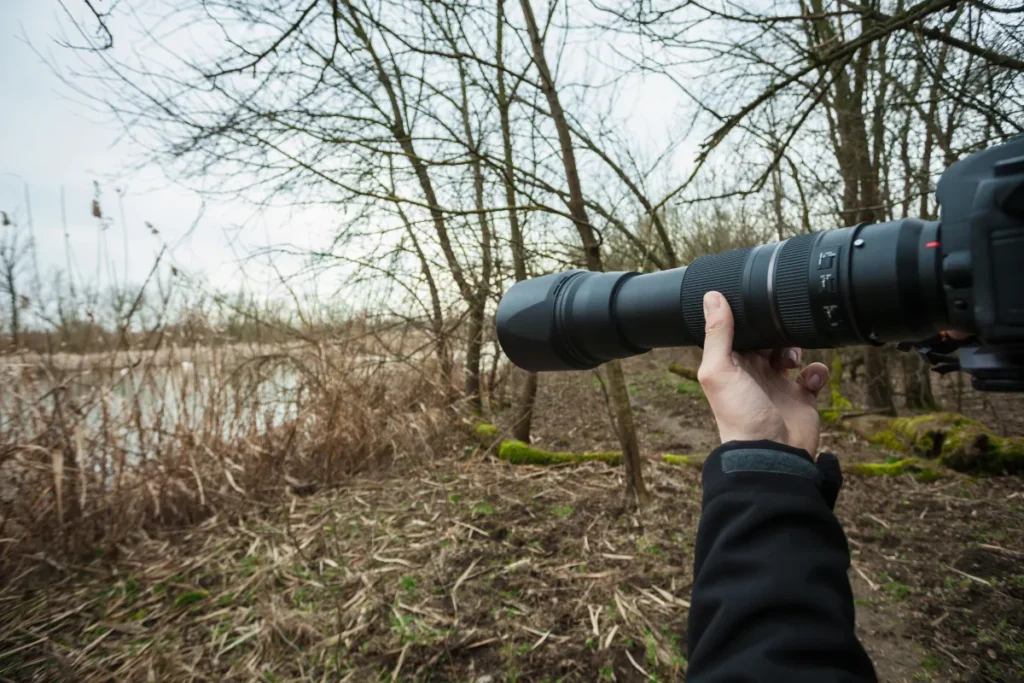
Chitwan is a great place to photograph one-horned rhinos, deer, birds, and crocodiles. Early mornings give you the best light. In winter, mist can add a beautiful background to your shots. Bring a camera with a zoom lens so you can take close photos from a safe distance.
Binoculars help you spot animals first. Plants, weather, and animal movement all change what you can see through the year. Keep your distance, turn off your flash, and never ask your guide to move closer to an animal. Patience and respect lead to better photos.
Which Park Offers More Varied Safari Experiences?
Kaziranga is a strong choice for travelers interested in rhino viewing, large mammals, birdwatching, and open grassland landscapes. Chitwan offers a broader mix of activities, combining jeep safaris and birdwatching with canoe rides, guided jungle walks, Tharu cultural visits, elephant center visits, and jungle tower experiences.
For either park, confirm activity availability and applicable regulations before booking. Choose responsible operators, avoid disturbing animals, and remember that no safari guarantees sightings of a particular species.
Best Time to Visit Chitwan and Kaziranga
Visit Chitwan from October to March and Kaziranga from November to April for cooler weather and better safari conditions. Avoid the monsoon (June to September), when heavy rain and flooding can limit access. Compare the seasons below.
| Weather detail | Chitwan National Park | Kaziranga National Park |
| Best time to visit | October–March | November–April |
| Winter (December–February) | Approximately 7–25°C; cool mornings and evenings with generally dry weather | Approximately 8–25°C; cool mornings, mild afternoons, and generally dry conditions |
| Spring (March–April) | Approximately 15–35°C; warming days and mostly dry conditions | Approximately 15–32°C; warming weather and generally suitable safari conditions |
| Summer (May–June) | Approximately 25–40°C; hot and humid, with pre-monsoon showers | Approximately 22–34°C; warm, humid, and increasingly rainy |
| Monsoon (July–September) | Approximately 24–34°C; heavy rainfall, high humidity, and possible road disruptions | Approximately 25–33°C; heavy rainfall and flooding can affect park access |
| Autumn (October–November) | Approximately 15–32°C; rainfall decreases, and outdoor conditions improve | Approximately 18–30°C; conditions generally improve as the monsoon recedes, subject to park opening dates |
| Rainfall | Heavy monsoon rain, mainly from June to September | Heavy monsoon rain, mainly from June to September |
| Best for wildlife safaris | October–March, when cooler conditions are generally more comfortable | November–April, subject to official opening dates and safari-range access |
| Best for birdwatching | Winter, when migratory birds join resident species | Winter and early spring, especially around wetlands and grasslands |
Safari Costs and Overall Trip Budget: Chitwan vs. Kaziranga
The overall cost of a rhino safari depends on your travel dates, group size, accommodation, transport, and planned activities. Chitwan National Park in Nepal suits travelers who want to combine wildlife viewing with cultural experiences and visits to Kathmandu or Pokhara.
Kaziranga National Park in India is ideal for a wildlife-focused trip in Assam, with additional transport costs depending on your arrival point.
We help you plan your safari according to your budget, travel preferences, and schedule. Our team can assist with accommodation, transport, safari arrangements, and customized itineraries, helping you understand the expected costs before booking.
Contact us to discuss your plans and request a personalized quote.
Official Park and Safari Fees
| Fee category | Chitwan National Park, | Kaziranga National Park |
| Currency | NPR (Nepali Rupee) | INR (Indian Rupee) |
| Foreign visitor entry | NPR 2,000 per person / day (plus 13% VAT, totaling NPR 2,260) | INR 650 per person / trip / day |
| SAARC visitor entry | NPR 1,000 per person / day (plus 13% VAT, totaling NPR 1,130) | Same as the foreigner rate (INR 650) or varies by bilateral agreements |
| Nepali visitor entry | NPR 150 per person / day | INR 100 per person / trip / day |
| Child Discount | Free for children below 10 years old | Generally free for children under 4 or 5, depending on the activity |
| Jeep / Vehicle Safari | NPR 5,000 – NPR 8,000 per vehicle (depending on private or shared range) | INR 4,000 – INR 7,500+ per vehicle (varies by zone: Kohora, Bagori, and Agaratoli) |
| Official Source | Nepal Tourism Board Permit Portal | Kaziranga Official Safari Portal |
How to Reach Chitwan and Kaziranga National Parks
Your route depends on where you land, what you want to spend, and how you like to travel. For Chitwan, you can come from Kathmandu by road or by a short domestic flight.
For Kaziranga, most visitors arrive through Guwahati or Jorhat. We can book private transfers and airport pickups, so your wildlife trip starts without stress.
How to Reach Chitwan National Park, Nepal
- By road from Kathmandu: Take a tourist bus or a private car from Kathmandu to Sauraha. The drive takes about 5 to 7 hours, depending on traffic and road conditions. Sauraha is the most popular base for visiting Chitwan National Park.
- By flight and road: Fly from Kathmandu to Bharatpur Airport. The flight takes about 20 minutes. From the airport, drive to your hotel or safari base in Sauraha. This route adds a little more time, depending on traffic. Choose this option if you want to skip the long road trip.
How we help in Chitwan: We can arrange private transfers from Kathmandu, Bharatpur Airport pickups, accommodation, and safari activities in Chitwan. Share your travel dates, group size, and accommodation preferences with our team to plan your trip and request a personalized quote.
How to Reach Kaziranga National Park, India
- By road from Guwahati: Kaziranga National Park is about 239 km from Guwahati, Assam’s capital. Buses run daily to Kohora, the park’s main tourist hub. The Assam State Transport Corporation and private operators both offer this service. You can also drive your own car or hire one.
- By road from Jorhat: Jorhat is only 96 km from Kaziranga. Take a bus or book a private car to Kohora. The trip takes longer when roads are busy or in poor shape.
- By flight and road: Guwahati and Jorhat both have airports with flights from many Indian cities. Once you land, hop in a taxi or bus to Kohora. You can also book a private transfer ahead of time. Check flight times before you go.
- By train and road: Furkating Junction is the closest railway station, about 75 km from the park. Get off the train and take a taxi to Kohora. Check train timings and book your ride in advance.
Travel times and distances are approximate and vary with traffic, road conditions, routes, and your exact starting point. Confirm current transport schedules before departure.
Frequently Asked Questions
1. Which park offers a better wildlife safari experience, Chitwan or Kaziranga?
Kaziranga is a popular choice for travelers who want to see greater one-horned rhinos in the wild. Chitwan also offers rhino sightings, along with jeep safaris, birdwatching, nature walks, and local cultural experiences. Both parks offer different wildlife experiences, but sightings are never guaranteed.
2. What is the best time to visit Chitwan and Kaziranga?
The best time to visit Chitwan is generally October to March, while November to April is a popular period for visiting Kaziranga. Weather and park conditions can vary, so check current safari schedules and park notices before your trip.
3. How many days do you need for a rhino safari?
Two to three nights is a good starting point for either park. This gives you time to travel, settle into your accommodation, and enjoy wildlife activities. Consider staying longer if you want to explore different safari areas or spend more time photographing wildlife.
4. Is Kaziranga more expensive than Chitwan?
The total cost depends on your travel dates, accommodation, transport, safari options, and length of stay. Chitwan can be convenient for travellers already visiting Kathmandu or Pokhara, while Kaziranga is easier to include in a trip around Assam or Northeast India. Compare accommodation rates, transfers, park entry fees, and safari charges for your dates before deciding which destination offers better value.
5. Can you combine a rhino safari with a wider Nepal or India trip?
Yes. You can combine Chitwan with Kathmandu and Pokhara to experience Nepal’s culture, wildlife, lakes, and mountain views. Kaziranga fits well into a trip around Assam and Northeast India. You can visit both parks on one holiday, but you will need extra time and budget for international travel, transfers, and separate safari bookings.
6. Are rhino sightings guaranteed in Chitwan or Kaziranga?
No. Rhinos are wild animals, and sightings depend on their movements, weather, vegetation, and the safari route. Follow your guide’s advice and enjoy the other wildlife and natural surroundings, even if you do not see a rhino.
7. Which park is better for birdwatching, Chitwan or Kaziranga?
Both parks offer excellent birdwatching. Kaziranga is known for its wetland birds, while Chitwan offers diverse birdlife alongside rhino safaris and other wildlife experiences.
8. How can you travel to Kaziranga National Park from major Indian cities?
You can travel by air or train to Guwahati, then continue by road to Kaziranga. Jorhat is another option, depending on available connections. From either location, you can arrange a taxi or private transfer to your accommodation near the park. Check transport schedules and allow enough time for the road journey.
9. What other wildlife can you see besides rhinos?
Chitwan National Park is home to Bengal tigers, leopards, sloth bears, deer, monkeys, crocodiles, and many bird species. Kaziranga National Park supports Bengal tigers, Asian elephants, wild water buffalo, swamp deer, wild boar, and diverse birdlife.
The species you encounter depend on the habitat, season, and safari conditions. You can never guarantee sightings of elusive animals, such as tigers and leopards.
10. What should you pack for a rhino safari in Chitwan or Kaziranga?
Pack comfortable clothing, walking shoes, sunscreen, insect repellent, and a reusable water bottle. Binoculars are useful for birdwatching, and a camera with a zoom lens can help you photograph wildlife from a safe distance.
Bring a rain jacket during wetter periods and an extra layer for cool mornings. Check the weather forecast and your operator’s advice before leaving.
Conclusion: Choose the Rhino Safari That Fits Your Trip
When comparing Chitwan vs. Kaziranga National Park, both offer opportunities to see the greater one-horned rhinoceros in its natural habitat, but each suits a different kind of holiday. Choose Kaziranga if you want a wildlife-focused trip in Assam, with rhinos, open grasslands, wetlands, and other large mammals.
Choose Chitwan if you want to combine wildlife activities with Nepal’s forest and river habitats, Tharu cultural experiences, and destinations such as Kathmandu and Pokhara. Before booking, compare the best travel period, total trip cost, safari options, accommodation, and transport connections.
Check current park notices and follow responsible wildlife-viewing practices throughout your visit. The best choice is the park that matches your interests and itinerary while giving you enough time to enjoy wildlife responsibly.