Planning a jungle safari? Stick with us and get valuable information about choosing the right clothes. The color of your clothes matters more than you think when it comes to a jungle safari. If you’re wondering why not wear white on safari, you’re at the right place.
Jungle safaris involve dusty roads, muddy trails, and tall grasses, which can stain your white clothing very easily. White clothes stand out against the natural surroundings and can make your wildlife viewing difficult.
Avoiding white clothes comes down to your cleanliness, comfort, and the color of your surroundings during a safari. Wearing white doesn’t automatically put you in danger, but it’s not practical to wear white on safaris.
This guide will help you know why not to wear white during your safari and which colors to wear instead.
White Clothes Can Stand Out Against Natural Surroundings
White clothing is not banned on all jungle safaris, but it’s strongly discouraged to wear white during safaris. This is because white clothing stands out against the colors of the surroundings and gets dirty easily.
Forests contain colors like shades of green and brown. Wearing white creates strong contrast with the surroundings during a jungle safari. It means you will be easy to spot from a distance and may seem unnatural to animals.
Animals respond strongly to visual cues and may react dangerously upon seeing the strong contrast between white clothes and the surroundings.
It is to be noted that wearing white doesn’t automatically put you in danger. The reaction of animals depends on the distance, species, movement, and the situation.
It can also reduce your chances of spotting animals, as they may be scared to come near you. But wearing muted colors doesn’t automatically guarantee better animal sightings, as wild animals are unpredictable.
White Clothes Show Mud, Dust and Stains Easily
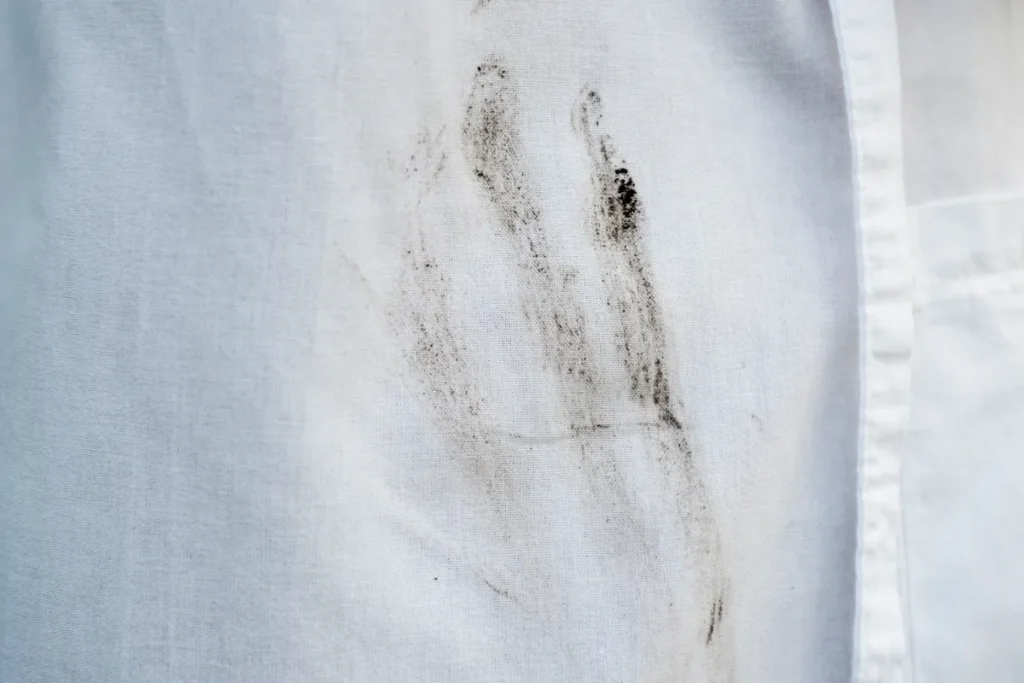
White clothes get dirty very easily. Jungle Safari routes contain muddy and dusty roads, grassy areas, and bushes that can easily leave a visible stain on white clothes.
If your safari includes several hours of outdoor activities, white clothes are not appropriate, as they get dirty and you may have to change your clothes. White clothes get permanent or hard-to-remove stains during your safari and get permanently damaged.
Can You Wear White on Safari?
The answer to “Can you wear white on safari?” really depends upon the type of safari and the duration of the safari. It’s not universally prohibited on safaris.
For example, wearing a white T-shirt can be okay if you are on a short jeep safari, but it’s inappropriate for walking safaris that involve walking through muddy and bushy trails.
It’s very important that you check the guidelines for your safari either on the internet or through your tour operator.
What Colors Should You Wear on a Jungle Safari?
Wearing natural-looking and earthy colors is preferred for jungle safaris. Some recommendations for your safari are as follows:
i) Khaki and Beige
Khaki and beige have a natural appearance and hide dirt better than white. They are suitable for dusty environments.
Khaki and Beige clothes can help you blend with the environment and make animal encounters easier.
ii) Olive Green and Brown
Olive green and brown clothes have a muted appearance and work very well for safaris in forests and grasslands. If you are spending several hours outdoors on your safari, Olive green and Brown are great options.
What Other Colors Should You Avoid on Safari?
The main point of choosing the right color for your safari clothes is to blend with the environment and hide stains. You must also consider the weather and local wildlife while choosing the color for your clothes.
i) Bright or Highly Contrasting Clothes
Bright and reflective clothes stand out easily in natural safari environments. Neon shirts, clothes with contrasting patterns, and reflective clothes are discouraged as they may seem unnatural to animals.
ii) Uncomfortable Fabrics and Unsuitable Footwear
Being comfortable during your jungle safari is very important. You should select clothes that can keep you comfortable during long outdoor safaris.
Heavy and unbreathable fabrics feel very uncomfortable in hot weather conditions. For walking safaris, you should choose shoes with good grip that fit your foot well.
Long-sleeved clothes are preferred as they can protect you from insects, the sun, and vegetation.
What Should You Wear for Different Types of Jungle Safaris?
The selection of appropriate clothes depends upon the type of your safari. The weather and climate of your safari destination should also be considered while packing your clothes.
Walking safaris are physically demanding and require you to be comfortable and protected. Jeep safaris are less physically demanding but still require comfortable and earthy-looking clothes.
i) Clothing selection for a Jeep Safari or Vehicle-Based Safari
Jeep safari can expose you to dust, sunlight, and wind. Clothes with muted colors like beige, khaki, olive green, and brown are appropriate for a Jeep safari. Some good clothing options for your Jeep safari are:
- Comfortable and breathable shirts or T-shirts.
- Comfortable trousers.
- Closed-toe shoes that fit you well.
- Hat and sunglasses to protect you from the sun.
- A jacket according to the weather requirements.
ii) Clothing for a walking safari

Walking safaris demand more protective clothing as you walk through muddy trails and bushes. You are also more likely to come in contact with leeches and insects on a walking safari.
Some good clothing options for your walking safari are:
- Comfortable footwear with good grip.
- Comfortable trousers to protect your legs from leeches.
Jungle Safari Clothing Tips for Beginners
If you’re planning your first jungle safari, choosing appropriate and comfortable clothes is more important than you think. You need to consider a lot of things like weather, climate, and the type of safari while choosing your clothes.
Some tips to help you pack your clothes for your first jungle safari are:
- Choose breathable and lightweight clothes
Breathable and lightweight fabrics help you stay comfortable in rough safari environments. You can consider cotton fabrics for dry environments and quick-drying fabrics for rainy or wet safari environments.
- Wear neutral and earthy colors
Neutral and earthy colors like beige, olive green, and brown are preferred colors for safari environments, as they help you blend with nature.
- Wear appropriate footwear
Choose appropriate footwear based on the type of your safari. For walking safaris, choose shoes with good grip that fit your foot well. Footwear selection is important too avoid blisters and ensure comfort.
- Check the local rules
Check the rules of the national park and follow the instructions of your guide to ensure a smooth safari.
- Protect yourself from insects
Pack insect repellent to avoid getting bitten by insects in the park. Wear full sleeves during your safari to protect yourself from insects.
Conclusion
White clothing is not universally banned on all jungle safaris, but it’s not practical, as it shows dust and stains easily. White is also highly contrasting with the natural colors and can make you stand out against the surroundings.
Follow your guides’ instructions and enjoy your safari. Prepare well for your safari and follow the local rules and regulations so that you can focus on enjoying nature.
Frequently Asked Questions
- Can you wear white clothes on a jungle safari?
White is not banned for all jungle safaris, but it’s not a practical option. White clothes show dust and stains very easily and make you stand out against the natural surroundings.
- What are the best colors to wear on a jungle safari?
Khaki, beige, olive green, and brown are the most practical options to wear on jungle safaris. They hide dust and stains well and help you blend with the natural surroundings.
- Does wearing white scare wild animals?
Wearing white doesn’t scare wild animals. Animal reactions depend on movement, distance, and human behavior. So, follow your guide’s advice.
- What colors should you avoid on safari?
You should avoid colors that stand out against the natural surroundings. Bright and reflective colors should be avoided as much as possible.