Introduction
Nepal is one of the world’s leading destinations for adventure travel, offering everything from Himalayan trekking and mountaineering to white-water rafting, paragliding, bungee jumping, and wildlife safaris.
The Nepal Tourism Board lists Nepal’s elevation range as 60 m to 8,848 m and confirms that eight of the world’s 14 peaks above 8,000 m lie within the country. This remarkable altitude range, combined with the Himalayas, mid-hills, and Terai, makes Nepal a destination for both high-altitude challenges and accessible outdoor adventures.
Trekking and mountaineering are among Nepal’s signature adventure experiences. Routes in the Everest, Annapurna, Langtang, and Manaslu regions take travellers through mountain villages, forested trails, alpine valleys, and high passes.
Adventure in Nepal extends well beyond trekking. Pokhara is a major hub for paragliding, ziplining, mountain biking, and hot-air ballooning, while rivers such as the Trishuli and Bhote Koshi offer rafting experiences ranging from introductory trips to more challenging white-water journeys.
Travellers can also experience bungee jumping and scenic mountain flights for a different perspective on Nepal’s landscapes.
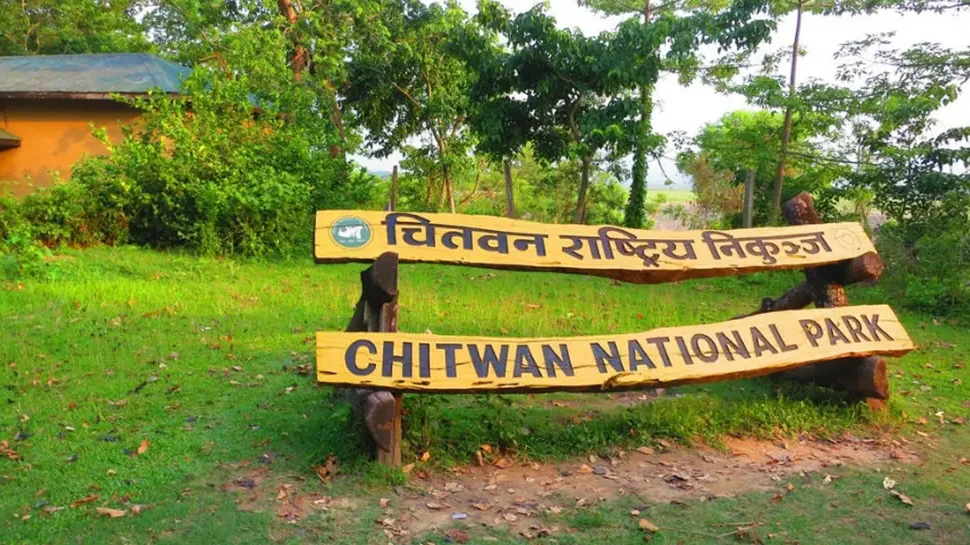
The southern Terai offers another side of Nepal’s adventure tourism. Chitwan and Bardiya National Parks are popular destinations for jungle safaris.
The best adventure activity depends on your interests, fitness, budget, available time, and season. High-altitude treks require careful acclimatization and planning, while rafting, climbing, and aerial activities call for appropriate safety equipment and qualified professionals.
Our guide covers the must-do adventure activities in Nepal, with practical details on the best destinations, typical durations, difficulty levels, suitable seasons, and essential safety tips to help you plan your adventure.
Why Nepal Is Famous for Adventure Tourism
Nepal is famous for adventure tourism, attracting adventure travellers with its high Himalayan peaks, fast-flowing rivers, forested hills, and diverse local cultures. From peaceful village walks to demanding high-altitude expeditions, the country offers experiences for different interests and fitness levels.
- The iconic Himalayas: Explore famous trekking routes and high-altitude landscapes, including the Everest region.
- Thrilling adventure sports: Enjoy paragliding in Pokhara, bungee jumping, ziplining, mountain biking, and white-water rafting on Nepal’s rivers.
- Mountaineering and Diverse trekking routes: Nepal offers everything from short scenic hikes to multi-week treks through high mountain passes, alpine valleys, and traditional villages.
- Wildlife and nature adventures: National parks such as Chitwan and Bardia offer opportunities for jeep safaris, birdwatching, canoe trips, and guided nature walks.
- Scenic mountain flights: Travellers can take mountain flights from Kathmandu for aerial views of the Himalayan range, including Mount Everest, depending on the route and weather conditions.
- Opportunities for different budgets: Visitors can choose from short day trips, guided outdoor activities, multi-day trekking packages, and more demanding expeditions.
Best Adventure Activities to Do in Nepal
Trekking in the Himalayas
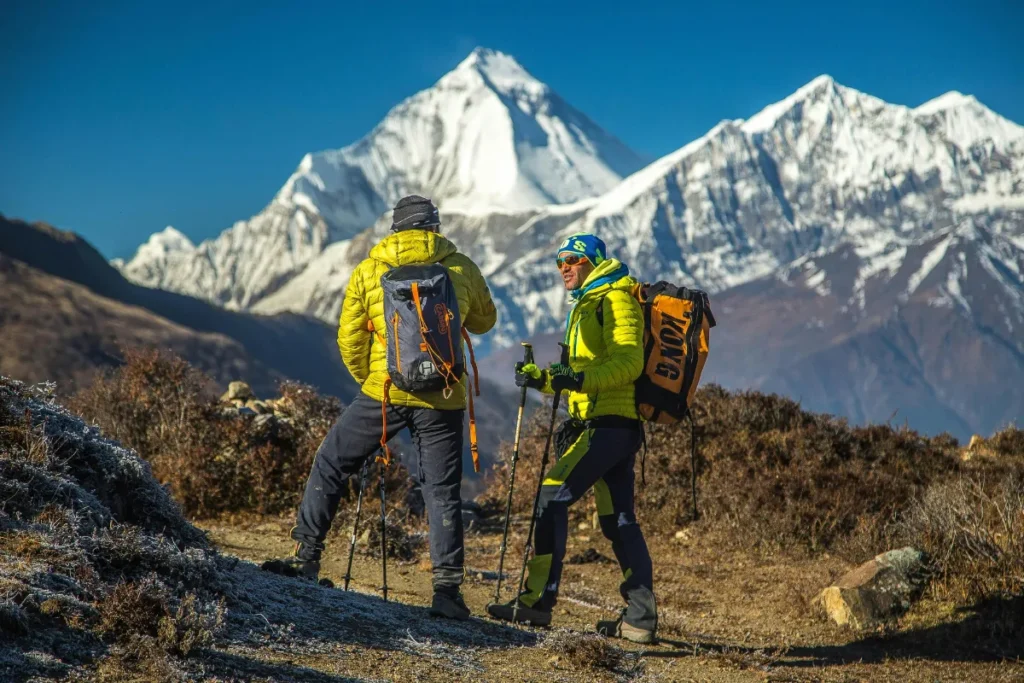
Trekking is one of Nepal’s leading adventure activities, with established routes through the Everest, Annapurna, Langtang, and Manaslu regions. Trails range from short walks to challenging multi-week journeys through mountain valleys, forests, traditional villages, and high-altitude passes.
According to the Nepal Tourism Board, Nepal offers diverse trekking destinations, including the Great Himalayan Trail, which extends approximately 1,700 km across the country.
The Ministry of Culture, Tourism and Civil Aviation recorded 1,147,548 international visitor arrivals in 2024. However, this figure includes all visitor purposes, not trekkers alone. Travellers choose Nepal for its mountain scenery, cultural encounters, varied trail difficulty, and opportunities to explore remote communities on foot.
Depending on the route and itinerary, trekking days commonly involve around four to eight hours of walking. Difficulty depends on altitude, weather, trail conditions, fitness, and acclimatization, so trekkers should select routes suited to their experience and allow enough time to adjust to higher elevations.
- Everest Region: Best for fit trekkers seeking iconic Himalayan views and a high-altitude challenge. Highlights include Namche Bazaar, Tengboche Monastery, Sherpa villages, and viewpoints overlooking the Everest region. The Everest Base Camp Trek commonly takes around 12–14 days, depending on the itinerary and acclimatization schedule.
- Annapurna Region: Suitable for trekkers who want varied landscapes, mountain panoramas, and cultural experiences. Highlights include Annapurna Base Camp, the Annapurna Circuit, traditional Gurung and Thakali villages, and Thorong La Pass on the circuit route. The Annapurna Base Camp Trek often takes around 7–12 days, while the Annapurna Circuit may require two to three weeks or longer.
- Langtang Region: A good choice for travellers seeking a Himalayan trek with relatively easy road access to Kathmandu. Langtang Valley, Kyanjin Gompa, glaciers, forest trails, and Tamang culture are among the highlights. Typically, the Langtang Valley Trek takes seven to ten days.
- Manaslu Region: Best suited to fit, well-prepared trekkers seeking remote trails, traditional mountain settlements, and a demanding high-altitude journey. Highlights include views of Mount Manaslu, Tibetan-influenced culture, and Larkya La Pass at approximately 5,106 metres. The Manaslu Circuit commonly takes around 14–18 days. Restricted-area permits and applicable guide requirements must be checked before departure.
Hiking in Nepal
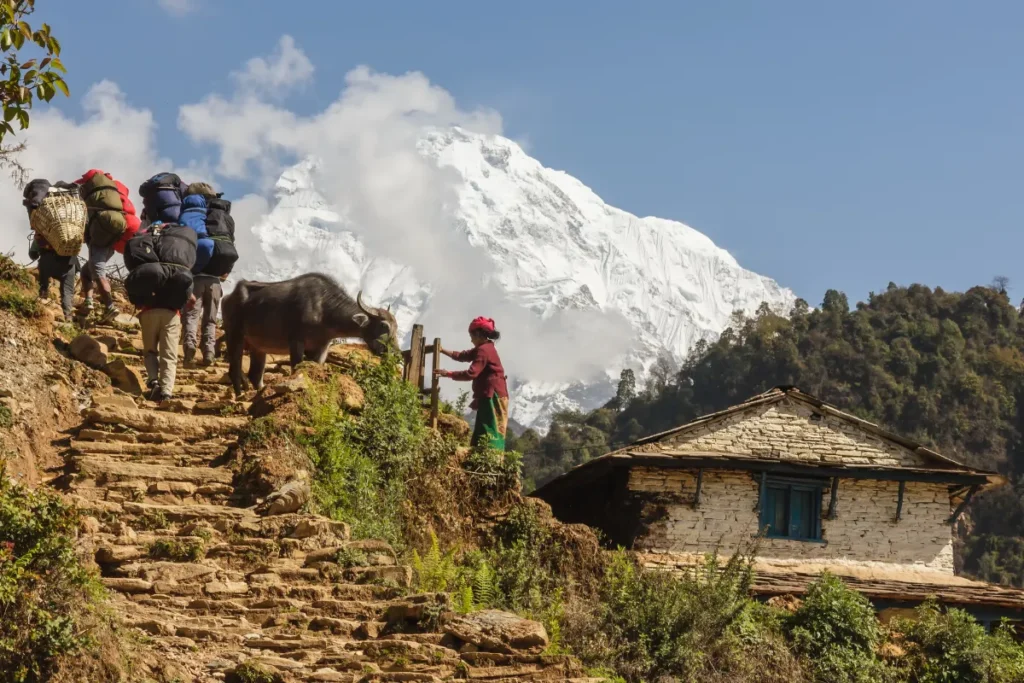
Hiking is a popular outdoor activity in Nepal, allowing travellers to explore green hills, forests, waterfalls, terraced farmland, traditional villages, and scenic viewpoints in a few hours or a full day.
According to the Nepal Tourism Board, Kathmandu Valley alone offers more than 50 hiking trails, ranging from easy walks to challenging day hikes. This variety attracts travellers who want outdoor experiences without committing to lengthy itineraries.
Visitors choose hiking for its natural scenery, fresh air, birdwatching opportunities, photography, and chances to experience local culture and rural life. Popular routes near Kathmandu include Nagarkot to Changunarayan, Champadevi, Shivapuri, and Sundarijal. Around Pokhara, Sarangkot and Kaskikot offer hillside walks, valley views, and opportunities to observe local villages.
Some routes take around five hours, while others require a full day, depending on distance and pace. Hiking is suitable for travelers of all fitness levels, as long as they choose an appropriate route.
Check weather forecasts, trail conditions, and any entry requirements before departure, and carry water, snacks, sun protection, and suitable footwear.
Popular hiking trails in Nepal:
- Nagarkot to Changunarayan: Enjoy countryside views, traditional villages, and a visit to the historic Changunarayan Temple.
- Shivapuri: Explore forest trails and uphill routes near Kathmandu, with mountain views on clear days. Check park entry requirements before visiting.
- Champadevi: Hike to a hilltop viewpoint overlooking Kathmandu Valley and the surrounding mountains.
- Sarangkot: Enjoy views of Pokhara Valley and the Annapurna range on a clear day.
- Australian Camp: Take a popular hike in the Annapurna region for mountain views and village scenery. Walking time depends on your starting point and route.
Spring and autumn are popular seasons for hiking, although weather and trail conditions vary by location.
Mountaineering and Peak Climbing
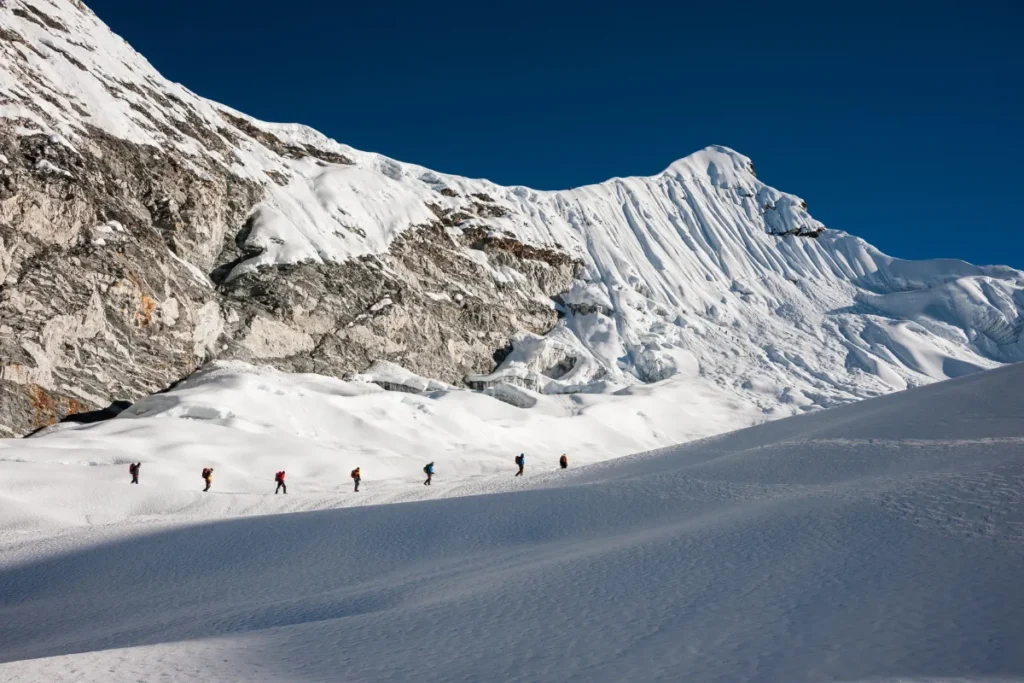
Nepal is one of the world’s leading destinations for mountaineering and peak climbing, offering challenging routes, experienced local guides, and established expedition support.
With 461 peaks officially opened for mountaineering, the country provides climbing opportunities for different levels of experience, from peaks such as Island Peak (6,189 m), Mera Peak (6,476 m), and Lobuche East (6,119 m) to demanding Himalayan expeditions.
International climbers choose Nepal to challenge their technical skills, experience high-altitude environments, and explore remote mountain landscapes. Spring and autumn are popular climbing seasons, although conditions vary by peak and route.
Climbers need appropriate training, physical fitness, gradual acclimatization, suitable equipment, and the required permits to prepare for a safe expedition.
- Island Peak (6,189 m): A popular choice for fit trekkers looking to gain their first technical Himalayan climbing experience. With views of the surrounding Himalayan peaks, the ascent entails glacier travel and simple mountaineering techniques. Training, prior trekking experience, and appropriate acclimatization are crucial.
- Mera Peak (6,476 m): Well-known for its expansive Himalayan vistas and high-altitude summit experience, including, under the right circumstances, views of Everest, Lhotse, Makalu, and Cho Oyu. Although the standard route is typically less difficult than Lobuche East, preparation and acclimatization are crucial due to the altitude.
- Lobuche East (6,119 m): A more technical option that involves glacier terrain and steeper climbing sections. It suits fit trekkers with climbing experience or appropriate technical training who want a greater mountaineering challenge.
Paragliding in Nepal
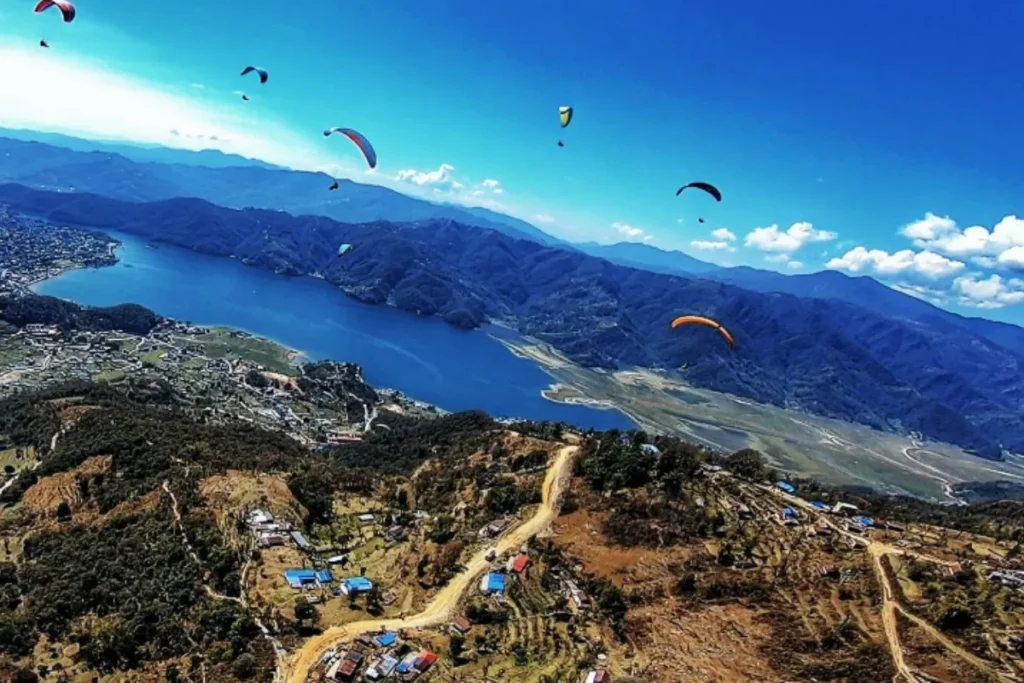
Paragliding has been popular in Nepal since 1995, attracting adventure travellers who want aerial views of lakes, valleys, green hills, and Himalayan scenery.
Pokhara is the country’s main paragliding destination, with most tandem flights taking off from Sarangkot and offering views of Phewa Lake, Pokhara Valley, and the Annapurna range when weather conditions permit. Tandem flights allow beginners to experience the sport alongside an experienced pilot without previous flying experience.
Travellers choose paragliding in Nepal for its scenic landscapes, thrilling flying experience, and opportunities to photograph the region from above. The activity is especially appealing in Pokhara, where the combination of lake views, surrounding hills, and mountain scenery creates a distinctive setting for outdoor adventure.
Weather conditions influence flight availability, so choosing a suitable season and following the operator’s safety guidance helps travellers enjoy the experience.
Bungee Jumping in Nepal
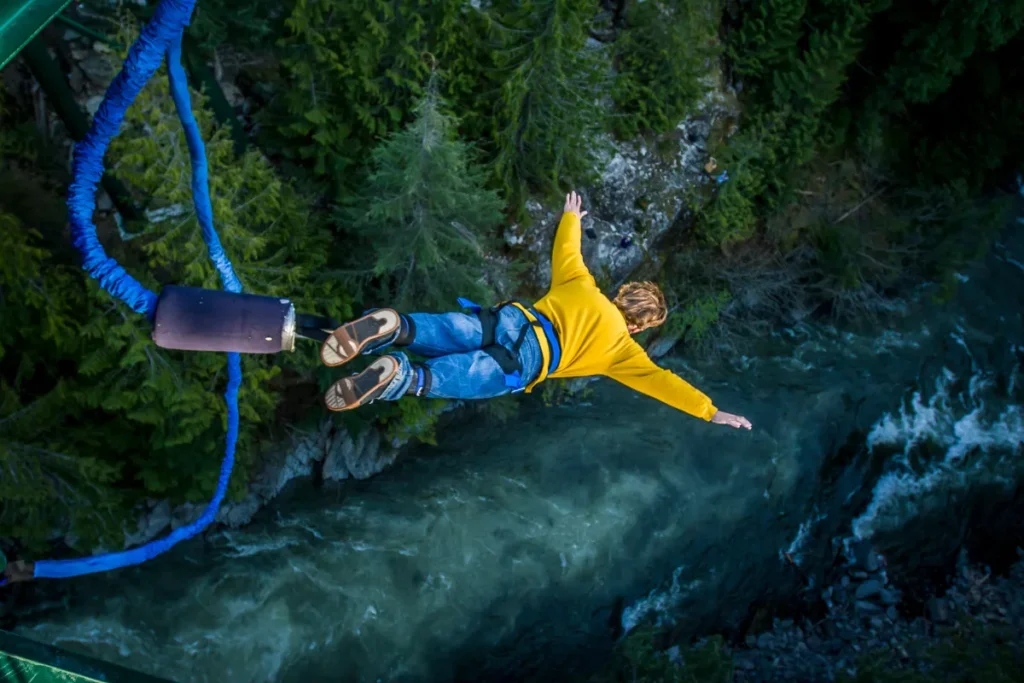
Bungee jumping is a high-adrenaline activity for travellers looking to add a memorable challenge to their itinerary in Nepal. Popular sites include Kushma in Parbat District, The Last Resort near the Bhote Koshi River, and Hemja near Pokhara.
The Last Resort’s bungee jump was designed by one of New Zealand’s leading bungee consultants and is operated by experienced jump masters. The jump takes place from a steel suspension bridge spanning a deep valley above the Bhote Koshi River, offering an exciting free-fall experience amid Nepal’s rugged landscape.
Kushma is known for its high bridge jump, while Hemja provides a convenient option for visitors staying in Pokhara. Jump heights, operating schedules, and eligibility requirements can change, so confirm the latest details directly with the operator before booking.
- Kushma Bungee, Parbat: Known for its approximately 228-meter jump above the Kali Gandaki Gorge, Kushma is a strong option for travellers seeking a particularly high bungee experience. It is best for those willing to make a dedicated journey to the site.
- The Last Resort, Bhote Koshi: This location is known for its approximately 160-meter bridge jump over a river gorge. It is commonly reached by road from Kathmandu and can be combined with other adventure activities, subject to availability.
- Pokhara Bungee, Hemja: A convenient option for visitors already staying in Pokhara. The tower-based jump is commonly described as around 70–80 meters high, although travellers should confirm the current specifications with the operator.
Mountain Biking in Nepal
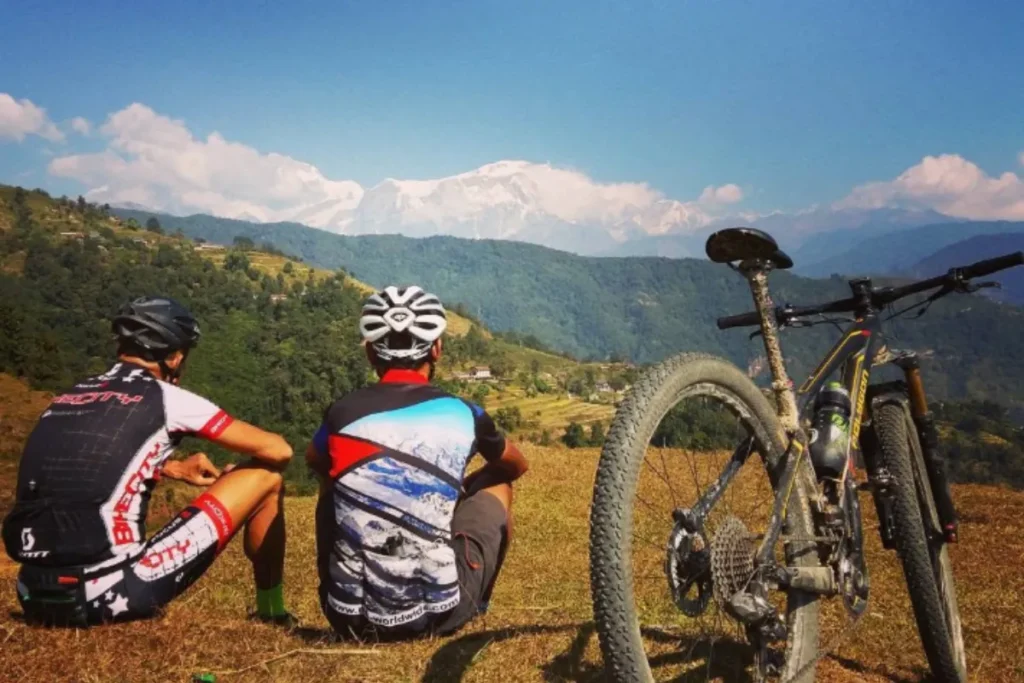
Mountain biking in Nepal lets travellers explore rural roads, terraced fields, traditional villages, forested hills, and mountain viewpoints. The Kathmandu Valley offers popular routes around Nagarkot, Kakani, Godavari, Shivapuri, and Chandragiri. Pokhara and other parts of the country also offer cycling opportunities, from scenic rides to challenging mountain trails.
Travellers can rent a bicycle or join a guided tour. Spring and autumn are generally popular seasons for mountain biking, but conditions vary by route. Choose a trail that matches your fitness and experience, and check road access, weather, and trail conditions before setting out.
Popular Mountain Biking Routes Around Kathmandu
- Nagarkot: Suitable for recreational cyclists and intermediate riders who want countryside roads, village scenery, terraced hillsides, and mountain views on clear days.
- Shivapuri and Budhanilkantha: Attractive to fit cyclists seeking forest scenery, uphill challenges, and quieter surroundings near Kathmandu. Check park regulations and permitted cycling routes before visiting.
- Kakani: A good option for riders interested in rural settlements, rolling hills, countryside roads, and viewpoints northwest of Kathmandu.
- Godavari and Phulchowki: Better suited to fit cyclists and experienced mountain bikers looking for steep climbs, forested hills, and more demanding rides. Check access and trail conditions before departure.
- Sankhu and Dhulikhel: Suitable for recreational and intermediate riders interested in traditional settlements, terraced farmland, rural roads, and hillside views.
- Chandragiri, Chitlang, and Pharping: Options for intermediate and experienced cyclists who enjoy hill climbs, winding roads, village scenery, and quieter routes around the southwestern Kathmandu Valley.
- Dakshinkali and Thankot: Suitable for riders who want to explore rural settlements, terraced fields, forested hills, and local cultural sites. Route difficulty varies, so check elevation changes and road conditions before riding.
Jungle Safari and Wildlife Adventure in Nepal
Nepal’s wildlife history has evolved from royal hunting to conservation and wildlife tourism. In February 1961, King Mahendra hosted Queen Elizabeth II and Prince Philip on a hunting expedition in Chitwan, during which a tigress and a one-horned rhinoceros were killed.
According to TIME magazine’s report, Queen Elizabeth filmed the event rather than shooting animals herself. Chitwan National Park was established in 1973 and became a UNESCO World Heritage Site in 1984.
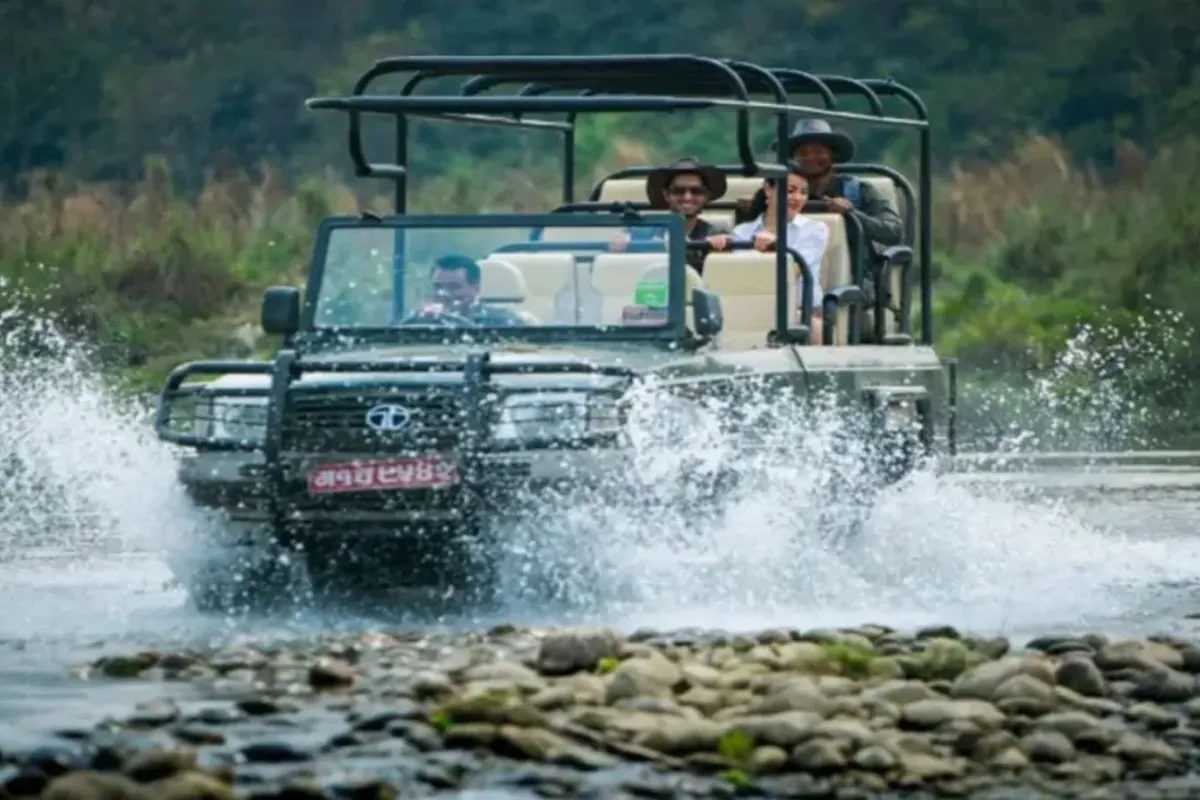
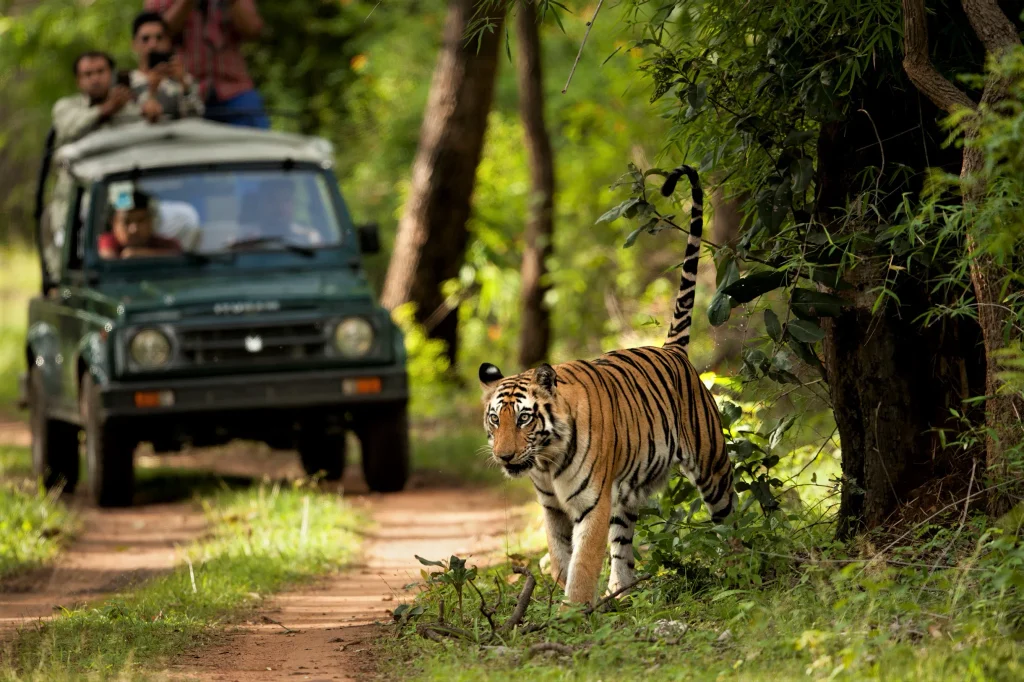
Today, Chitwan is famous for its one-horned rhinoceroses, Bengal tigers, gharial crocodiles, deer, and diverse birdlife. Visitors explore its grasslands, forests, and river habitats through guided jeep safaris, canoe trips, nature walks in designated areas, and birdwatching. These activities offer opportunities to observe wildlife in its natural habitat and learn about Nepal’s conservation efforts.
Travellers can also visit Bardiya National Park for another wildlife destination. As animals roam freely, sightings depend on natural conditions and are never guaranteed.
Where Can You Go on a Jungle Safari in Nepal?
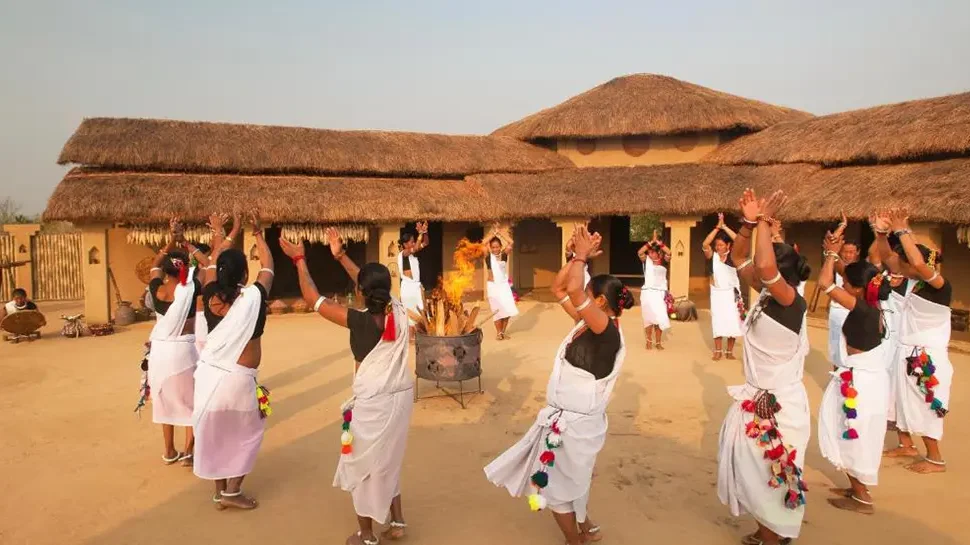
- Chitwan National Park: One of Nepal’s best-known safari destinations, suitable for first-time visitors, families, couples, and wildlife enthusiasts. Travellers can explore forests, grasslands, and river habitats while looking for one-horned rhinoceroses, deer, crocodiles, and diverse birdlife. We arrange safari packages with accommodation, guided activities, and opportunities to experience local Tharu culture.
- Bardiya National Park: Located in western Nepal, Bardiya is a particularly appealing choice for travellers seeking a quieter, more remote wildlife experience. Its forests and grasslands provide habitat for Bengal tigers, wild elephants, one-horned rhinoceroses, deer, and many bird species. We can help travellers plan a Bardiya safari according to their schedule and interests.
- Parsa National Park: Located in south-central Nepal, Parsa offers forest-based wildlife experiences with opportunities to look for wild elephants, Bengal tigers, leopards, deer, and numerous bird species. It is worth considering for travellers interested in exploring a less-visited protected area.
- Shuklaphanta National Park: In far-western Nepal, Shuklaphanta is known for its extensive grasslands, sal forests, and swamp deer. Visitors may also see wild elephants, tigers, leopards, and many species of birds. This is a good place for travelers who want to discover wildlife areas other than the more common places such as Chitwan and Bardiya.
- Koshi Tappu Wildlife Reserve: Located in eastern Nepal, Koshi Tappu is particularly popular with birdwatchers and nature enthusiasts. Its wetlands and river habitats attract resident and migratory birds, while wildlife includes wild water buffalo, deer, wild boar, and other species. Birdwatching and wildlife observation are the main activities.
Hot-Air Ballooning
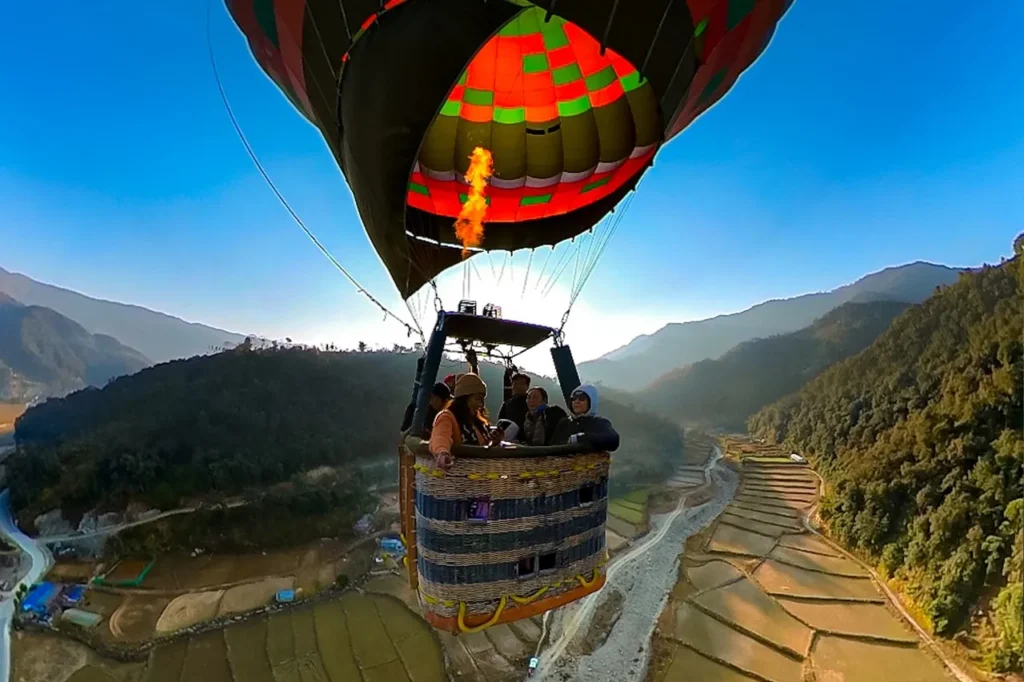
Hot-air ballooning is a popular adventure activity in Pokhara, offering travellers panoramic views of Phewa Lake, Pokhara Valley, and the Annapurna and Dhaulagiri mountain ranges. According to the Nepal Tourism Board, the recommended season for balloon flights is September to May, excluding the monsoon months of June, July, and August.
Flights are particularly appealing to couples, photographers, and travellers seeking a peaceful aerial experience without strenuous physical activity. Morning and evening flights can offer sunrise or sunset views, depending on the operator’s schedule and weather conditions. Clear skies provide better opportunities to see the surrounding mountains, although visibility is never guaranteed.
Before booking, confirm the current flight schedule, duration, passenger requirements, and safety procedures directly with the operator. Flights may be delayed or cancelled if weather conditions are unsuitable.
Ziplining
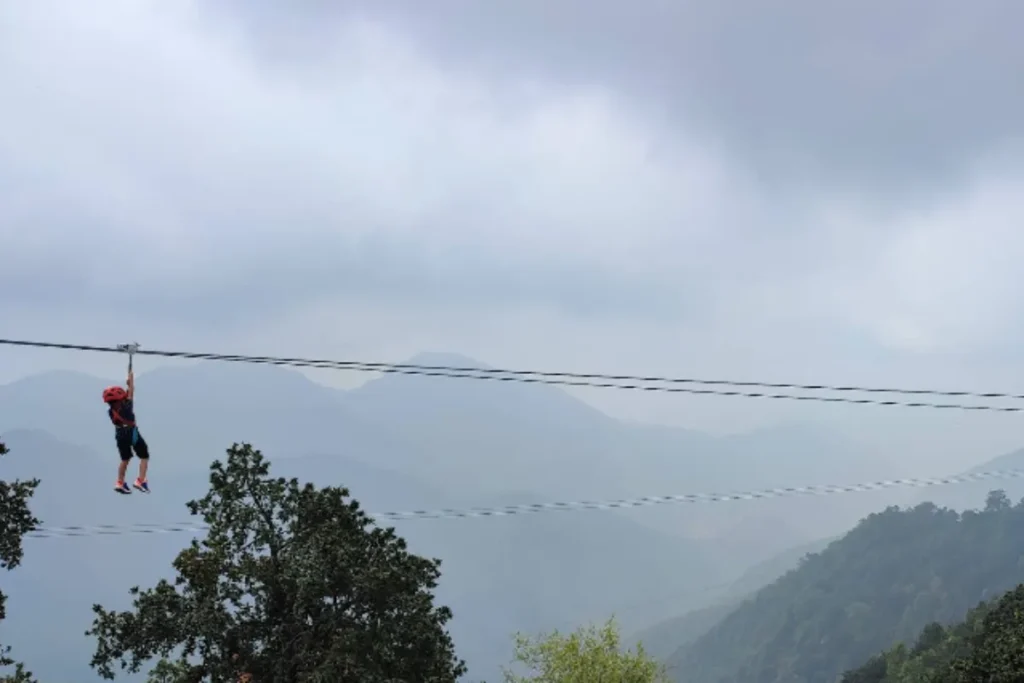
Ziplining is a popular adventure activity in Nepal, offering travellers an exhilarating ride above hills and valleys with views of the surrounding landscapes. Pokhara is a major destination, with its famous ZipFlyer launching from Sarangkot and descending towards Hemja.
According to the Nepal Tourism Board, the ride covers approximately 1.8 km, reaches speeds of up to 140 km/h, and starts around 600 m above the valley floor. The ZipFlyer began operating on 2 June 2012, using a system designed by Zip-Flyer LLC in the United States.
Ziplining appeals to solo travelers, couples, and groups seeking an adrenaline-filled activity alongside sightseeing in Pokhara. Other zipline experiences are available in destinations such as Parbat and Dhulikhel.
Before booking, confirm current operating schedules, age and weight limits, safety procedures, and weather restrictions directly with the operator.
River rafting
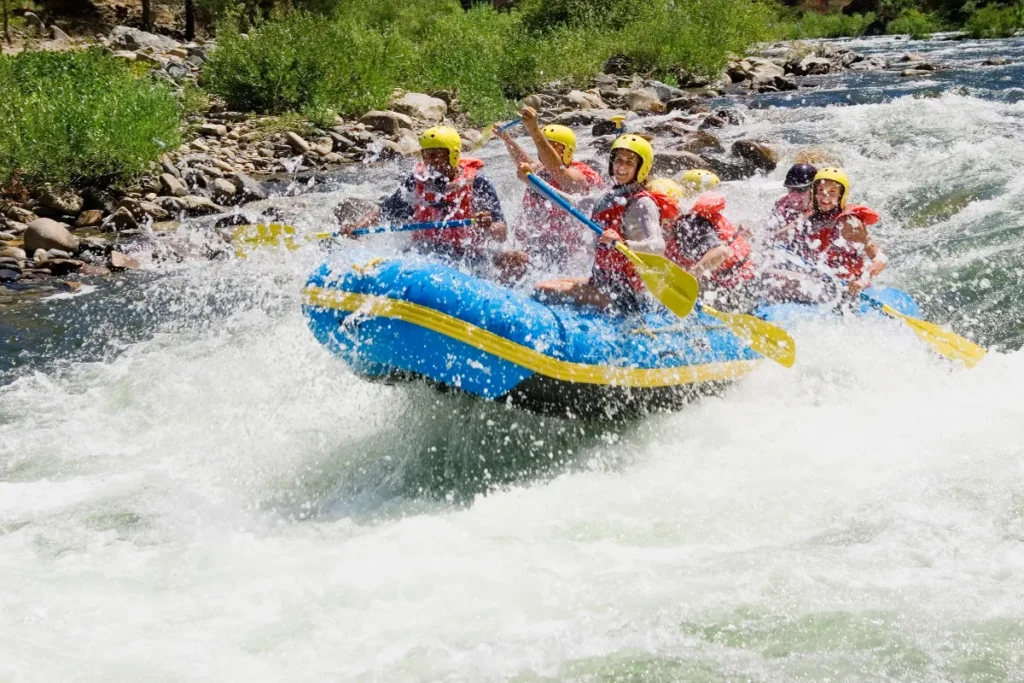
River rafting is a popular adventure activity in Nepal, combining white-water rapids with views of Himalayan foothills, terraced fields, deep gorges, and riverside villages. According to the Nepal Tourism Board, Nepal offers rafting routes graded from Class I to Class VI, allowing travellers to choose trips suited to different experience levels.
The Trishuli River, graded around Class III+, is one of the country’s most popular options and is accessible from the Kathmandu–Pokhara highway.
Other well-known rivers include the Bhote Koshi, Kali Gandaki, Marsyangdi, Karnali, and Sun Koshi. Trips range from one-day outings to multi-day expeditions; the 270-kilometre Sun Koshi journey typically takes eight to ten days.
The main rafting seasons are October to mid-December and March to early May. Water levels affect river difficulty, so choose a reputable operator, wear appropriate safety equipment, and follow your guide’s instructions.
One Hour Mountain Flight
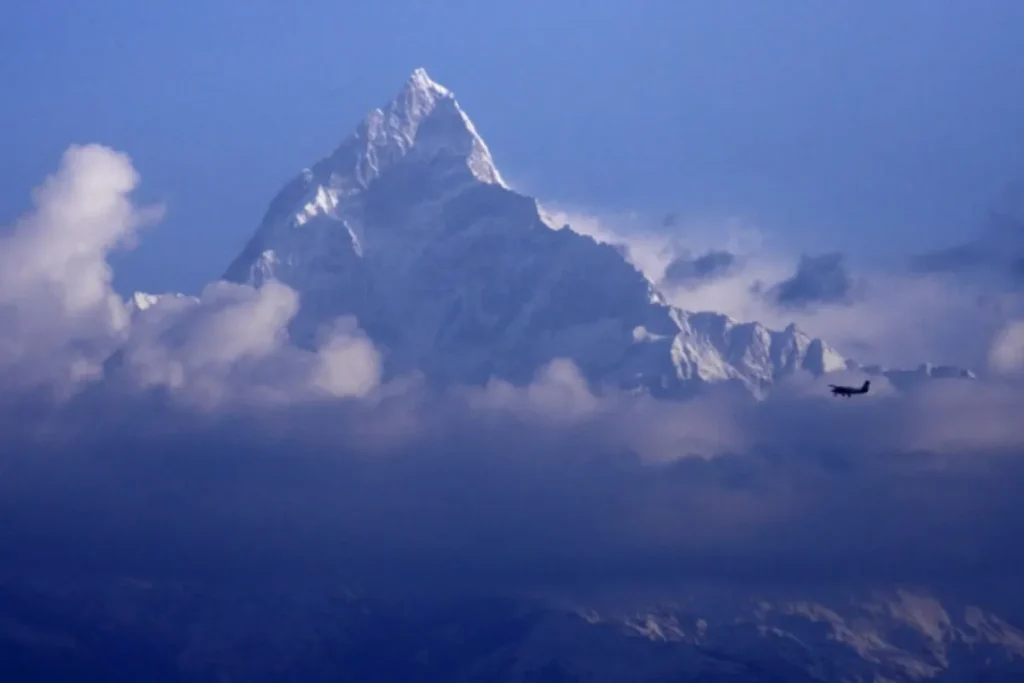
Mountain flights offer travellers a chance to see the Himalayas without trekking at high altitude. Most flights depart from Tribhuvan International Airport in Kathmandu and last around an hour.
On clear days, passengers may see Mount Everest, Lhotse, Makalu, Cho Oyu, and other Himalayan peaks. These flights suit travellers with limited time and those who prefer to enjoy mountain views without strenuous activity.
Clear mornings often provide excellent viewing conditions, but weather can affect visibility and lead to delays or cancellations. Check the airline’s schedule and cancellation policy before booking.
Best Places for Adventure Activities in Nepal
Kathmandu: Hiking, Cycling, and Rock Climbing
Kathmandu works well as a first stop. You can spend a morning on a forest trail or bike ride and an afternoon in a temple courtyard. Most of these activities are day trips, so you don’t need to commit to a long trek.
| Activity | Where | Start to finish | Duration |
| Hiking | Shivapuri Nagarjun National Park (Shivapuri Peak, 2,732 m, from Budhanilkantha) | 6:30 am to 1:00 pm | 5 to 6 hours |
| Hiking | Champadevi (2,285 m) from Hattiban | 7:00 am to 11:30 am | 3 to 4 hours |
| Hiking | Nagarkot to Changunarayan Temple, a popular hiking route with countryside views and a visit to a historic temple. | 8:00 am to 12:00 pm | 3 to 4 hours, mostly downhill |
| Hiking | Phulchoki (2,782 m, the valley’s highest hill) | 6:30 am to 2:30 pm | 6 to 8 hours |
| Cycling | Valley rim loops, Nagarkot, or Shivapuri trails | 7:00 am to 1:00 pm (half day) or 3:00 pm (full day) | 5 to 8 hours |
| Rock climbing | Hattiban area crags and indoor walls in Thamel and Lalitpur | 9:00 am to 12:00 pm, or 2:00 pm to 5:00 pm | 2 to 4 hours |
Tips: Start early for cooler walking conditions and a better chance of clear mountain views. For climbing, choose an operator that supplies helmets, harnesses, and a trained belayer, and ask to see the gear before you tie in.
The best times to see the mountains are spring (March to May) and autumn (October to November).
Pokhara: Paragliding, Ziplining, Boating, and Trekking
Pokhara sits at about 820 m beside Phewa Lake, with the Annapurna range close enough to fill the skyline. Pokhara is a convenient base for several adventure activities, with many operators located around Lakeside and nearby areas.
| Activity | Where | Start to finish | Duration |
| Tandem paragliding | Launch at Sarangkot (about 1,600 m), and land at Lakeside. | Pickup 8:30 am to 10:00 am, back by about noon (flights run roughly 9:00 am to 3:00 pm). | 20 to 30 minutes in the air, about 2 hours in total |
| Boating | Phewa Lake, with a stop at the Tal Barahi temple on the island | Sunrise trip from 6:00 am, or any time until about 5:30 pm | 1 to 3 hours |
| Rafting | Seti River | 8:30 am to 3:30 pm (full day) | Half day to 2 days |
| Mountain biking | Sarangkot, Begnas Lake, and Rupa Lake loops | 7:30 am to 1:00 pm | Half day to full day |
Chitwan: Jungle Safari, Canoeing, and Wildlife Activities
Chitwan National Park is a protected area of about 952.63 sq km of grassland and sal forest in the lowland Terai of Nepal. Founded in 1973, it was inscribed on the UNESCO World Heritage List in 1984.
The 2021 national rhino census counted 694 rhinos in the Chitwan landscape, out of a total of 752 rhinos in Nepal. The park also supports Bengal tigers and more than 500 recorded bird species. Most travellers base themselves in Sauraha, around 5–6 hours by road from Kathmandu, depending on traffic and road conditions.
| Activity | Where | Start to finish | Duration |
| Jeep safari | Park core areas and grasslands | Morning 6:30 am to 10:30 am, or afternoon 2:00 pm to 5:30 pm; full day 6:30 am to 5:30 pm | 3 to 4 hours (half day) |
| Canoe ride | Rapti River, dugout canoe | 7:00 am to 8:30 am, or 3:30 pm to 5:00 pm | 1 to 1.5 hours |
| Guided jungle walk | Community forest or park buffer zone | 6:30 am to 10:30 am | 2 to 4 hours |
| Birdwatching | Rapti River banks, Lamichaur wetlands | 5:45 am to 8:45 am | 2 to 3 hours |
| Tharu cultural show and village visit | Sauraha | 6:30 pm to 8:00 pm | 1 to 2 hours |
Tips: Plan 2 to 3 nights so you get several safari windows, because wildlife sightings depend on luck as much as skill. Early morning and late afternoon give you the most animal activity. We do not recommend elephant rides. Instead, choose jeep safaris, canoe rides, and guided nature walks to experience Chitwan’s wildlife.
November to March is a popular time to visit Chitwan, when temperatures are generally cooler. Wildlife sightings still depend on conditions and animal movement.
Note: The operator, weather conditions, season, transport arrangements, or local rules may alter the timings and durations of activities, which are approximate. Please check the latest details before booking.
Everest Region: Trekking, Mountaineering, and Helicopter Tours
| Activity | Location / Route | Duration |
| Everest Base Camp Trek | Lukla – Namche Bazaar – Everest Base Camp | 12–14 days |
| Gokyo Lakes Trek | Namche Bazaar – Gokyo Lakes | 12–14 days |
| Three Passes Trek | Kongma La, Cho La, and Renjo La | 18–21 days |
| Mera Peak Climbing | Mera Peak (6,476 m) | Around 18 days |
| Island Peak Climbing | Island Peak (6,189 m) | 18–20 days |
| Mount Everest Expedition | Everest Base Camp and summit route | 6–8 weeks or longer |
| Helicopter Tour | Kathmandu – Everest region – Kathmandu | Around 4–5 hours, weather permitting |
Check the current entry permit, guide, and registration requirements for your trekking route before departure. For the Everest region, confirm the applicable Sagarmatha National Park and Khumbu Pasang Lhamu Rural Municipality permits with a qualified trekking company.
Adventure Activities Based on Difficulty Level
Nepal offers adventure activities for all experience levels, from leisurely jungle safaris and scenic mountain flights to challenging Himalayan treks and peak climbing. Whether you are travelling with family, seeking an exciting outdoor experience, or planning a demanding mountain adventure, you can choose activities that match your fitness, interests, and experience.
| Adventure Activity | Difficulty Level | What to Expect |
| Jungle Safari | Beginner | Explore wildlife by jeep, canoe, or guided nature walk |
| Ziplining | Beginner | Enjoy an exciting ride along a cable with views of the surrounding landscape |
| Mountain Flight | Beginner | See the Himalayan peaks from the air without strenuous physical activity |
| Easy Hikes | Beginner | Walk along short trails through forests, hills, and villages |
| River Rafting | Moderate | Navigate river currents and rapids with trained guides |
| Paragliding | Moderate | Fly with a trained tandem pilot over mountains, valleys, and lakes |
| Short Trekking | Moderate | Explore mountain trails and villages with a reasonable level of fitness |
| High-Altitude Trekking | Advanced | Hike challenging Himalayan routes that require good fitness and acclimatization |
| Peak Climbing | Advanced | Climb Himalayan peaks that may require technical skills and specialized equipment |
Best Time for Adventure Activities in Nepal
Nepal doesn’t have one perfect season for each adventure. Weather, altitude, river levels, and visibility all depend on where you are and what you’re doing.
Spring and autumn are generally popular for many outdoor adventures, but travellers should check conditions for their chosen destination before booking.
| Season | Months | Best Activities | What to Expect |
| Spring | Mar–May | Trekking, peak climbing, rafting, safaris, paragliding | Mild weather, good mountain visibility, blooming trails |
| Summer | Jun–Aug | Lower-altitude hikes, cultural tours, selected wildlife experiences | Frequent rain, high river levels, reduced mountain visibility |
| Autumn | Sep–Nov | Trekking, mountaineering, rafting, paragliding, and mountain biking | Clear skies, stable weather, excellent mountain views |
| Winter | Dec–Feb | Lower-altitude trekking, safaris, hiking, paragliding | Cold at high elevations; pleasant conditions in lower areas |
Best overall: Spring and autumn are generally the most favorable seasons for major Himalayan and outdoor adventures.
Nepal’s Adventure Activities Cost Guide
The cost of adventure activities in Nepal depends on the activity, season, group size, trip duration, accommodation, transport, and guide services. Trekking and climbing packages may include permits, meals, accommodation, guides, and porter services, depending on the itinerary.
Prices for rafting, paragliding, bungee jumping, ziplining, mountain flights, and jungle safaris vary by operator and service level. Share your travel dates, group size, preferred activities, and accommodation requirements with us. Our team will help you plan a suitable itinerary and provide a customized quotation.
Safety Tips for Adventure Activities
- Choose activities carefully: Match the difficulty with your fitness, experience, and comfort level.
- Use qualified professionals: Choose reputable operators and appropriately qualified guides or instructors.
- Check the weather: Conditions can change quickly in the mountains and affect rafting, flying, climbing, and hiking.
- Acclimatize at altitude: Ascend gradually on high-altitude treks and follow a suitable acclimatization plan.
- Check safety equipment: Use appropriate helmets, harnesses, life jackets, ropes, and other required equipment.
- Stay hydrated: Carry sufficient drinking water and take regular breaks during physical activities.
- Follow instructions: Listen to safety briefings and follow your guide’s directions throughout the activity.
- Recognize altitude symptoms: Report headaches, dizziness, nausea, or unusual breathlessness promptly. Severe or worsening symptoms require immediate attention and may mean descending.
- Arrange suitable insurance: Check that your travel insurance covers the specific activity, altitude, and emergency evacuation if required.
- Respect wildlife and nature: Keep a safe distance from animals, follow protected-area rules, and take all rubbish with you.
What to Pack for These Adventure Activities
Depending on your activity, the season, your altitude, and your duration, you will need to pack different items. You don’t need as much gear for a short flight or zipline ride as you do for a high-altitude trek or climbing expedition.
- Suitable footwear: Wear comfortable shoes with excellent grip for hiking and sightseeing. Longer treks may require sturdy hiking boots.
- Layered clothing: Pack clothing suitable for both daytime temperatures and cooler evenings. Higher elevations require warmer layers.
- Waterproof jacket: Carry a rain shell for changing mountain weather and possible rain.
- Sun protection: Bring sunglasses, sunscreen, and a hat, especially for exposed trails and high-altitude areas.
- Reusable water bottle: Carry drinking water and use safe refilling or purification methods where needed.
- Personal medication: Bring your regular medication and any personal health supplies you may need.
- Small daypack: For water, snacks, extra clothes, documents, and other essentials.
- Warm layers and gloves: Essential for high-altitude treks, climbing trips, and cold-weather travel.
- Activity–specific equipment: Ask your instructor what is provided and what you need to bring with you. Some activities may require specialist clothing or equipment, which should be checked before departure.
Frequently Asked Questions
1. What are the top adventure activities in Nepal?
Nepal offers many adventure activities, including trekking, peak climbing, rafting, paragliding, bungee jumping, mountain biking, ziplining, mountain flights, and jungle safaris. The best choice depends on your interests, fitness, experience, and available time.
2. Which adventure activity is most popular in Nepal?
Trekking is Nepal’s best-known adventure activity. Many travelers visit the Everest, Annapurna, Langtang, and Manaslu regions to enjoy the mountain trails and views.
3. For beginners, what is the best adventure activity in Nepal?
Beginners can try short hikes, mountain flights, tandem paragliding, easy rafting trips, ziplining, and guided jungle safaris. Check the age, fitness, and safety requirements before booking.
4. Which adventure activities are suitable for families?
Families can enjoy wildlife safaris, mountain flights, short hikes, and selected rafting trips or ziplining activities. The best options depend on the ages and needs of family members, so check the operator’s safety rules before booking.
5. When is the best time of year to visit Nepal for adventure travel?
Spring (March–May) and autumn (September–November) are popular seasons for many outdoor activities in Nepal. However, the best time depends on your destination, weather, river conditions, and chosen activity.
6. What adventurous pursuits are available in Pokhara?
In Pokhara, you can enjoy paragliding, ziplining, boating on Phewa Lake, mountain biking, river rafting, and hiking. Pokhara is also a starting point for treks in the Annapurna region.
7. In Kathmandu, what kinds of adventure activities are offered?
Around Kathmandu, you can enjoy hiking, mountain biking, and outdoor activities in the surrounding hills. You can also arrange rafting trips, visit nearby bungee-jumping spots, and explore the cultural sights of the valley.
8. Is Nepal suitable for first-time adventure travelers?
Yes. Nepal offers activities for different experience levels. Beginners should choose suitable options, use reputable operators, follow safety instructions, and prepare for the weather and conditions.
9. Which adventure activities require permits or guides?
Requirements vary by activity and destination. Permits are required for some trekking areas and climbing peaks, and some routes require guides or registration. Check the current rules for your intended trip before departure.
10. How many days do you need for an adventure trip in Nepal?
A two- to three-day trip can cover short adventures around Kathmandu or Pokhara. Five to eight days allows time to combine several activities or destinations, while longer Himalayan treks and climbing trips can require 10–20 days or more, depending on the route and acclimatization schedule.
Plan Your Adventure Trip to Nepal
From trekking and peak climbing in the Himalayas to paragliding in Pokhara and wildlife safaris in Chitwan, Nepal offers many adventures for different interests, fitness levels, and budgets. Spring and autumn are popular for outdoor activities, but the best season depends on your destination and plans.
Chitwan Jungle Safari Tour offers Chitwan National Park Tour packages. Please let us know the dates of your trip, the size of your group, and your desired activities. Our team will help you plan your trip and provide a customized quote.