Photography Tips for Your Jungle Safari
Chitwan Jungle Safari Photography is exciting, full of adventure, and shows the beauty of nature. Taking photos of wild animals is fun because every moment is different, every scene tells a story, and you never know what will happen next.
Unlike city or studio photography, a jungle safari puts you in the wild where animals move freely, morning light is beautiful, and sudden moments can make wonderful photos. This mix of adventure and wonder makes wildlife photography very enjoyable for travelers, photographers, and nature lovers.
Jungle photography can also be challenging. Light changes quickly, animals move fast, and excellent photo opportunities can appear and disappear in seconds. That’s why timing, patience, and understanding animal behavior are essential. Knowing when animals are active and how they move helps you take better photos.
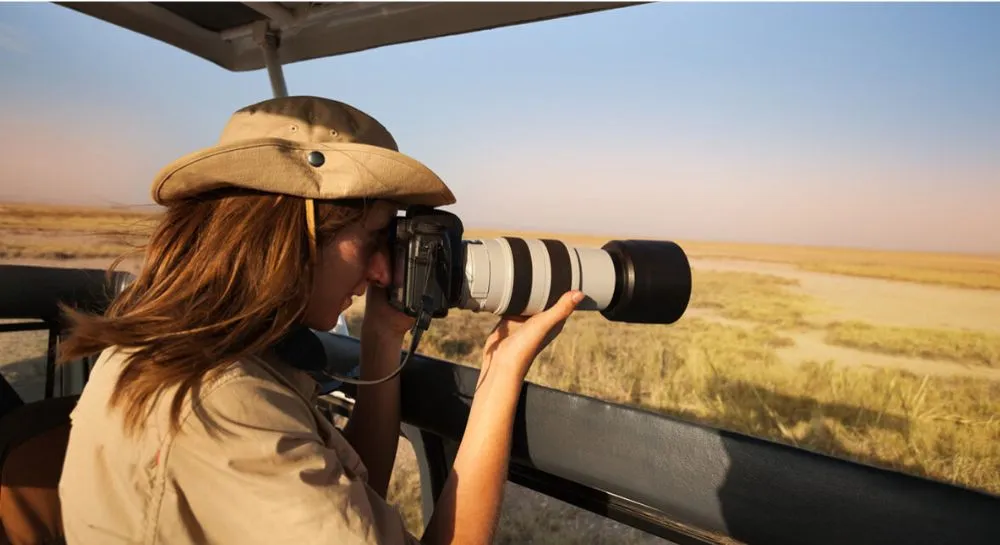
Technical skills are also important. Using the right safari camera settings, like rapid shutter speeds, continuous autofocus, and correct ISO, helps you take sharp, clear pictures even in low light or thick forests. Combining careful planning, patience, and these wildlife photography tips can turn any simple sighting into a stunning image.
Jungle Safari Photography is all about being ready and creative and letting the magic of nature guide your camera.
Choosing the Right Gear for Jungle Safari Photography
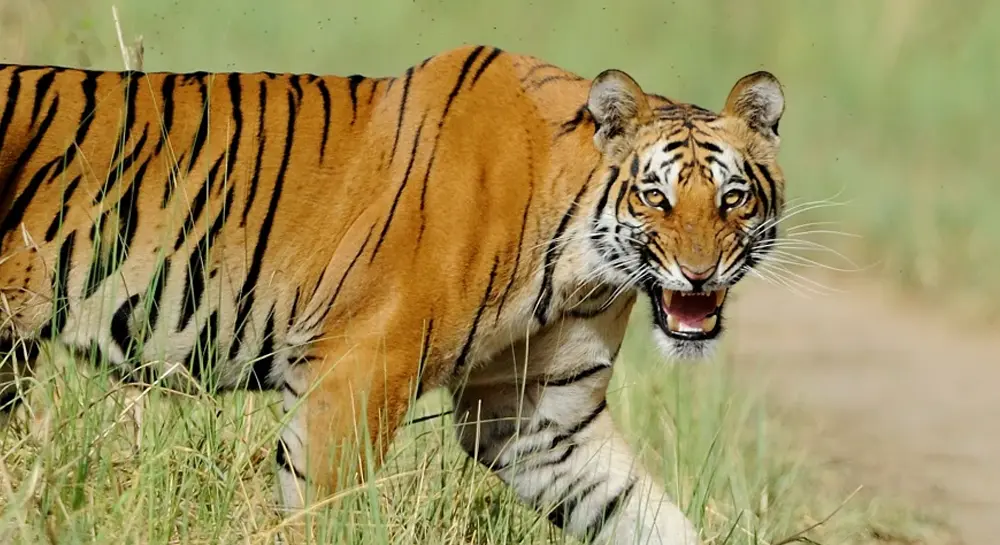
Selecting the best camera for a jungle safari is the first step toward capturing sharp, impactful wildlife shots. Both DSLR and mirrorless cameras work brilliantly because they offer fast autofocus, high-speed continuous shooting, and excellent low-light performance.
For beginners or travelers who prefer lightweight setups, a superzoom camera can also deliver impressive results without the need to change lenses in dusty or bumpy safari conditions.
The most important piece of safari photography equipment is a telephoto lens for wildlife, ideally between 200 and 600 mm, which allows you to photograph animals from a safe, respectful distance while still filling the frame with detail.
Alongside your main gear, carrying extra batteries, high-capacity memory cards, and a soft beanbag for stabilizing the camera inside the jeep makes a big difference. Please keep in mind protective gear such as rain covers and microfiber cloths to safeguard your equipment from dust, humidity, and sudden weather changes.
Mastering Camera Settings for Perfect Safari Shots
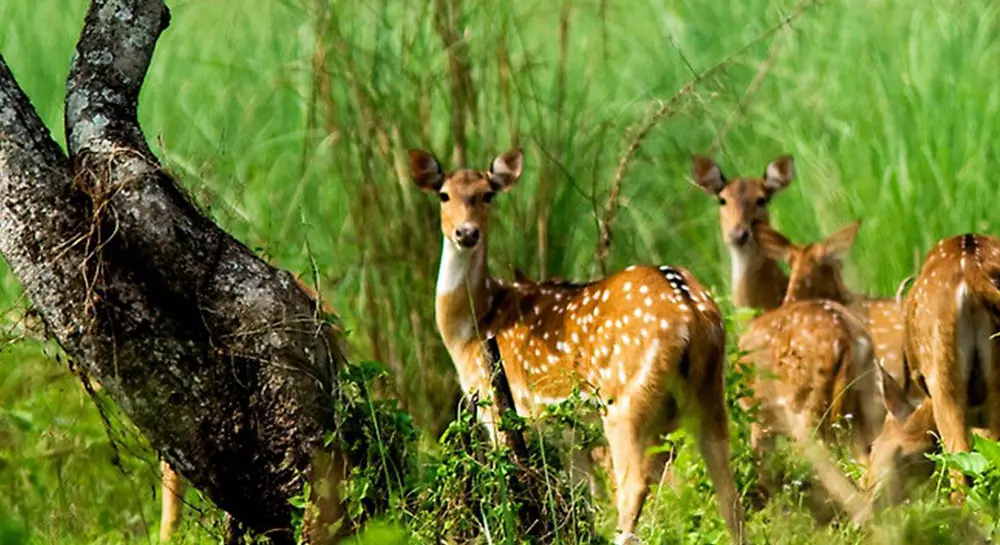
- Use a rapid shutter speed: For moving animals like deer, birds, or rhinos, set your shutter speed to 1/1000s or faster to freeze action.
- Set the right aperture: Use f/4 to f/6.3 to keep the animal in focus and blur the background.
- Adjust ISO in low light: Increase ISO to 800–3200 to brighten photos without losing much detail.
- Use continuous shooting mode: Take multiple photos quickly to capture fast movements.
- Turn on continuous autofocus (AI-Servo/AF-C): Keeps moving animals in focus.
- Combine settings for best results: These safari photography settings help capture every jump, flight, or interaction clearly and sharply.
Understanding Animal Behavior to Capture Natural Moments
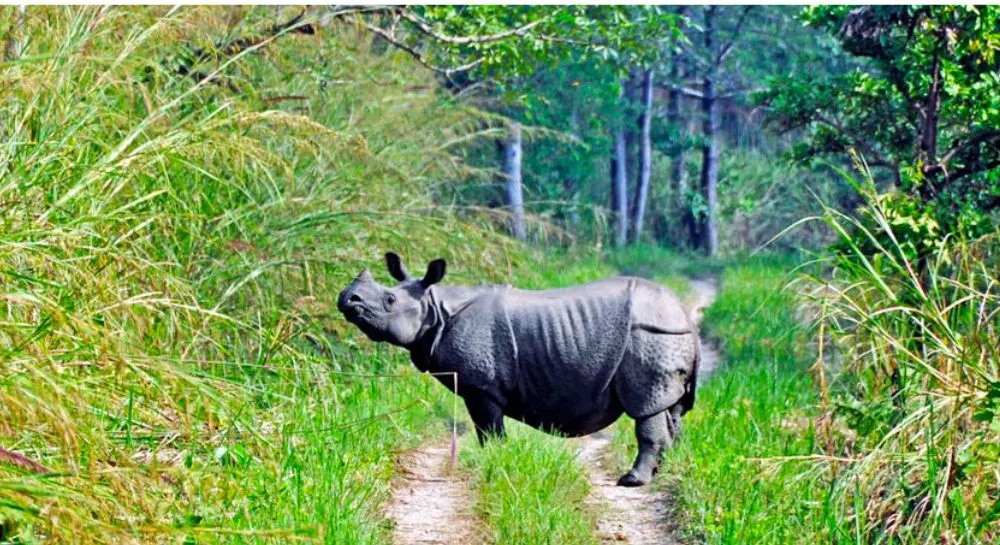
Learning wildlife behavior photography starts with watching animals quietly and patiently. Animals act naturally when they feel safe, so stay calm, quiet, and still. This helps you predict what they might do next, whether it’s a tiger walking, a rhino lifting its head, or a deer drinking water.
Timing is crucial. Most animals are active in the early morning and late afternoon, making these hours the best time to take photos in soft golden light; this serves as a helpful safari timing tip. Always follow ethical wildlife photography rules. Keep a safe distance, listen to your guide, and never disturb animals for a photo.
By being patient, choosing the right time, and respecting wildlife, you can take beautiful photos that show animals in their natural, peaceful environment.
Composition Techniques to Elevate Your Safari Photos
A compelling composition is what transforms a simple picture of wildlife into a graphic story; therefore, composition of jungle photography qualifies to be one of the most essential skills of every safari photographer. Among the key rules of Jungle Safari Photography, it is important to first use the rule of thirds and move the animal a little to the right to be more natural and dynamic.
In the techniques of wildlife framing, such as trees, tall grass, windows of the safari vehicles, etc., are used to draw the eyes of the viewer toward the subject, another very useful component in the successful Jungle Safari Photography Tips.
You can also create foreground and background layers in order to create depth to make your photos look more lifelike and three-dimensional. In wildlife photography, a compromise of emotion and action is necessary: standstill shots of a speeding deer or a flying bird are required, but also more relaxed ones, such as a mother and her child.
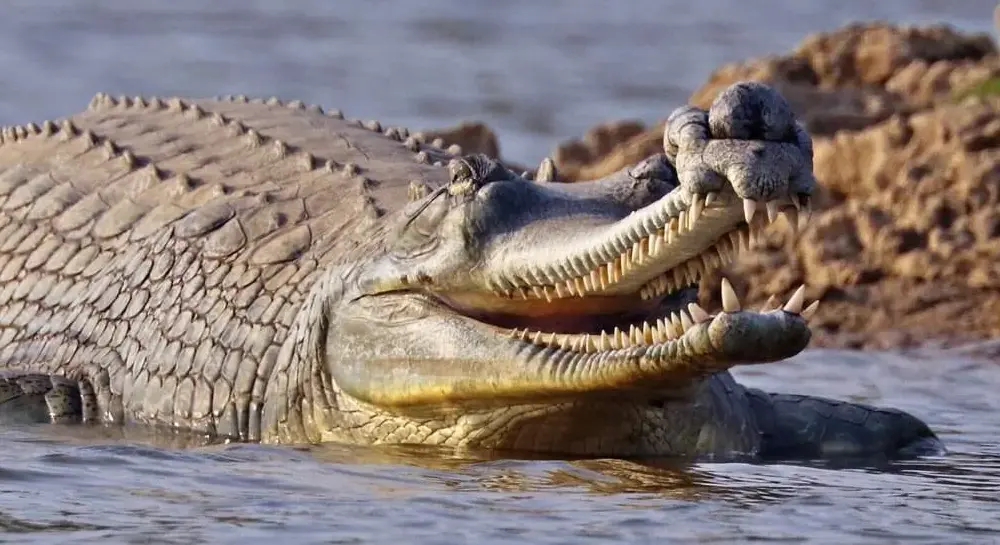
To give your story about the safari an even deeper and more exciting contribution, you should subscribe to practical Jungle Safari Photography Advice such as being keen to note the behavior of the animals and their readiness to move.
These Jungle Safari Photography Tips assist you in getting in a better position to make effective compositions that add mood and meaning. Your safari pictures come alive with character, richness, and feeling thanks to this thoughtful combination of narration, composition, and art.
Chitwan Jungle Safari Photography Tips for Shooting in Different Safari Conditions
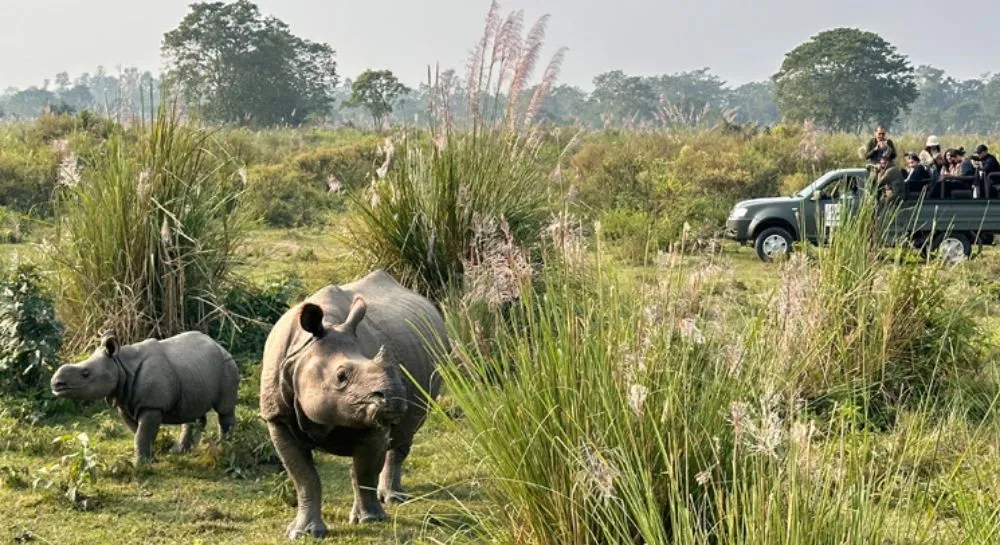
- Wildlife photography in forests: Forests are dark, so use a wide aperture and raise your ISO to keep your photos bright and clear.
- Low-light jungle photography: Early mornings and cloudy weather need faster shutter speeds and stable support like a beanbag to avoid blurry shots.
- Grassland photography: Open areas have plenty of light. Keep the sun behind you and look for clean backgrounds to make animals stand out.
- Safari lighting tips: If the sunlight is too strong, move to the shade or wait for softer golden-hour light for better colors.
- Riverside shots: Change your angle to avoid glare on the water and use slightly faster shutter speeds to freeze movement.
- Weather challenges: Protect your camera from rain and humidity with covers, cloths, and silica gel to keep your equipment safe.
Ethical Jungle Safari Photography Practices
- Respect wildlife: Never disturb animals for a photo; stay quiet and keep a safe distance.
- Avoid flash photography: Flash can scare animals and disrupt their natural behavior.
- Adhere to park regulations: Pay attention to your guide at all times.
- Support conservation: Travel responsibly and help protect the environment.
- Use simple jungle conservation tips: Take care of the habitat to preserve it for future generations.
- Capture meaningful photos: By being ethical, you can still take beautiful and impactful safari images.
Post-Processing Tips to Enhance Your Jungle Safari Photos
A thorough editing of your safari photos is crucial, and understanding the fundamentals of wildlife photo editing can significantly reduce your time and effort.
Among necessary Jungle Safari Photography Advice, one should start adjusting exposure, contrast, and shadows, which will allow controlling the intensity of the light and showing the details that are not easily visible, particularly in deeper jungle shades. Make the colors more luscious and vivid, yet do not over-edit; the colors should be as natural and real as the wildlife can be.
The other handy inclusion in your Jungle Safari Photography Tips would be to learn how to apply rudimentary post-processing skills like clarity, noise reduction and cropping to enhance sharpness and composition in Lightroom or Photoshop.
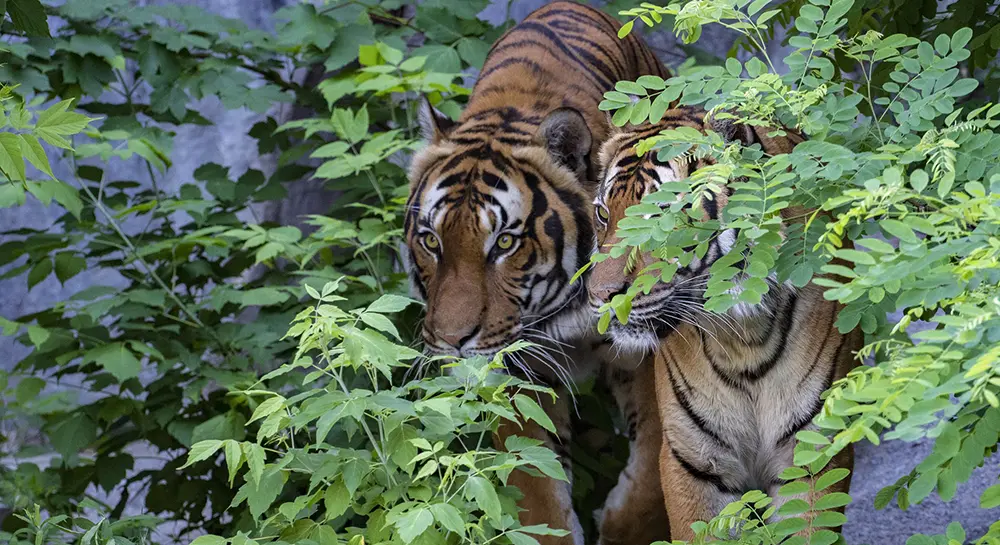
Breaking down your jungle photography in small steps is a big way to clean up your photos whilst maintaining the real impression of your jungle safari adventure, thus making these Jungle Safari Photography Tips even more successful.
It is not an immediate process to become a master of the field and this is why it is always better to adhere to the consistent Jungle Safari Photography Tips so that you can grow up with every new adventure. These tips of Jungle Safari Photography will help you to observe changes in lighting, animal movement, and jungle moods.
Many practitioners use Jungle Safari Photography Tips to get the opportunity to take photos of rare animals without causing any harm to nature. These tips for Jungle Safari Photography can significantly enhance the quality of your photographs as you alternate the shutter speed, ISO, and aperture.
You can even blend various Photography Tips on Jungle Safari to have your own unique style. Through hard work and practicing Jungle Safari Photography Tips, you can have more satisfying jungle photography. These jungle safari photography tips will be with you on all your safari adventures and will ensure that you have images that capture the wild.
For more info You can reach out to us by filling this form—here.
or you can reach out to us via this website too – here
Bonus Tips for First-Time Jungle Safari Photographers
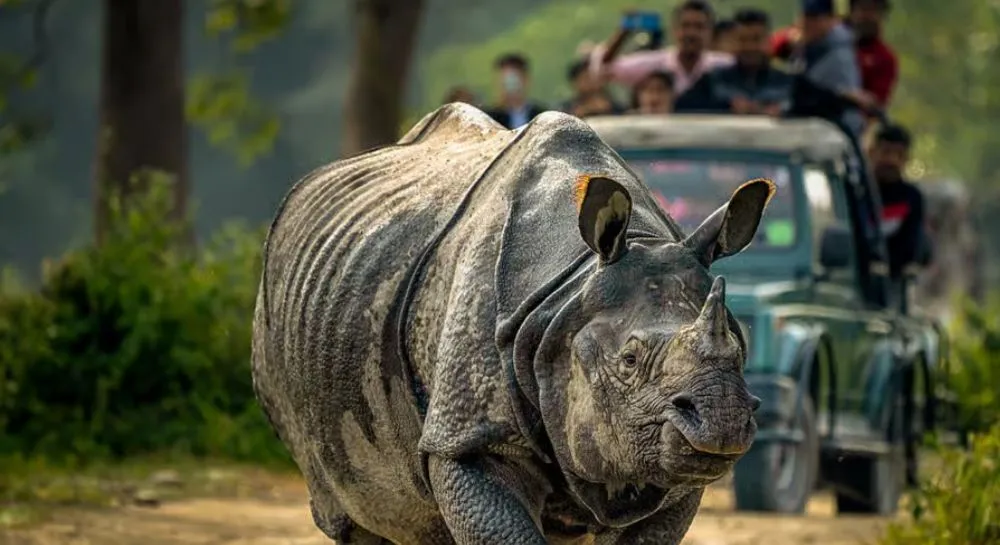
- Stay patient and alert so you don’t miss sudden wildlife moments.
- Talk to your naturalist/guide, as they know animal habits and the best spotting areas.
- Keep your camera ready and accessible throughout the safari.
- Use basic tips for beginner safari photography, like pre-setting your camera before the ride starts.
- Try easy wildlife photography hacks, such as using burst mode for moving animals.
- Focus on the eyes to make your wildlife photos look sharp and expressive.
- Stay steady using a beanbag or support inside the jeep.
- Avoid unnecessary movements to prevent scaring animals away.
Conclusion
Excellent wildlife photography requires patience, conscious and appreciation for nature. Jungle Safari Photography Tips can teach you how to use your camera, observe the light, and spot animals, ensuring that every sighting results in a wonderful photo.
By following Jungle Safari Photography Tips, you will learn how to stay calm in the wild and wait for the right moment to capture a photo. These Jungle Safari Photography Tips will also help you move subtly, stay alert, and show respect for all the creatures that pass by you.
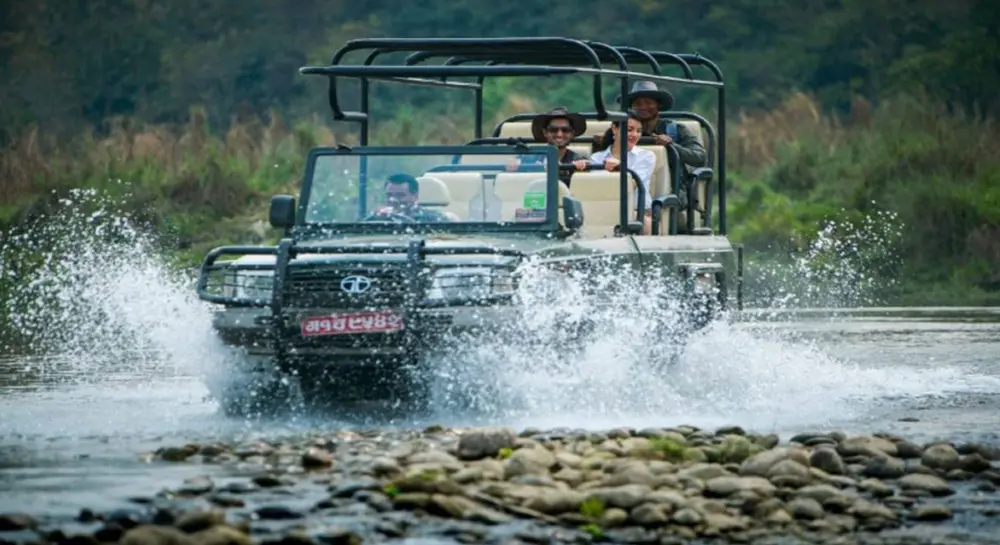
By using Jungle Safari Photography Tips, you can connect with the jungle and share authentic stories through your photos. Experience is highly valued; each safari brings something new, and each new Jungle Safari Photography Tip that you follow contributes to your experience.
Be adventurous, inquisitive and savor each moment, since the Jungle Safari Photography Tips are best when you are fully in the present.
With the proper mind and with the assistance of a guide on wildlife photography, you will be naturally improving your photographs. Continue applying these simple Jungle Safari Photography Tips to develop, learn and get to see the beautiful wonders of the jungle.
By believing in these jungle safari photography tips, your love for nature will come out in each and every photograph.