Introduction: Why Visit Chitwan National Park in Winter
Travelers searching for the Top 5 Reasons to Visit Chitwan National Park in Winter want to know about the advantages of this season. Winter in Chitwan gives travelers a wonderful experience through its perfect weather, very active wildlife, and beautiful, quiet nature. So unlike summer or the rainy season, winter invites families, photographers, and nature lovers to come to the park to enjoy it without the discomfort of heat or rain. Chitwan National Park, a UNESCO World Heritage Site, is one of the most important wildlife locations in Nepal.
Chitwan National Park is a paradise for animal lovers, as it is home to the famous Royal Bengal Tiger, one-horned rhinoceros, elephants, sloth bears, and an enormous variety of birds and reptiles. The park’s different habitats, which include moist sal forests, grasslands, and rivers, provide the environment that is rich and suitable for the animals. Therefore, winter at Chitwan means joy not only for the animals but also for the humans who come to see them in a breathtaking setting with weather that is crisp and clean, which makes wildlife spotting easier and more enjoyable.
Moreover, winter adds to the overall safari experience by providing better visibility and comfortable conditions. Cooler temperatures during winter encourage animals to be more active during the daytime. The dry season loses the thick vegetation and tall grasses that could make it tough to see wildlife as compared to the rainy season. For anyone considering a winter tour of Chitwan National Park, this season not only boosts the chances of seeing the wildlife but also guarantees a delightful and safe journey across one of Asia’s finest natural habitats. These factors represent the top 5 reasons to visit Chitwan National Park during the winter season.
Top 5 Reasons to Visit Chitwan National Park in Winter
Here are the top five reasons to visit Chitwan National Park in the winter:
Reason 1: Comfortable Winter Weather for Safari
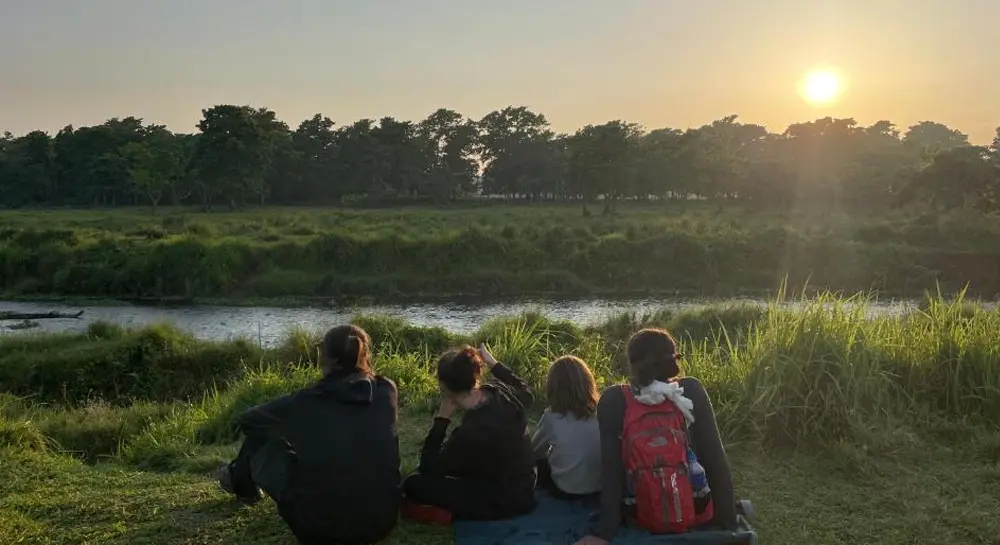
One of the main reasons why winter trips to Chitwan National Park get huge numbers of visitors is the wonderful weather, making wildlife safaris much more pleasant than in the hot summer months. The winter temperatures are moderate; the extremes are minimal, so the park’s travelers can very comfortably explore its thick jungles, open areas, and riverbanks without being bothered by the burning sun’s heat. Whether it is a jeep safari, an elephant ride, or a walking tour, the cooler weather provides you a pleasant and safe experience throughout the day.
Winter, in addition, brings down the humidity and has clear skies, which accordingly make the sighting of the wildlife spot a lot better and easier. On the other hand, during monsoon season, heavy rains together with thick vegetation can almost totally block views; however, winter conditions give the tourists a chance to see the wildlife from afar and unobstructed. Tigers, rhinos, deer, and a variety of birds are much easier to see along the open grasslands and riverbanks, which makes it possible for every safari to be a reward for both the casual tourists and the serious wildlife photographers.
For those planning a Chitwan National Park winter tour, the season will surely provide the best blend of comfort and animal activity. A winter safari in Chitwan not only maximizes your chances of meeting with the great animals but also lets you appreciate the park’s magnificent natural landscape in the crisp and clear weather. Winter’s cooler temperatures, lower humidity, and wide-open views make the season a perfect time to have an unforgettable Chitwan adventure.
Reason 2: Peak Wildlife Activity in Winter
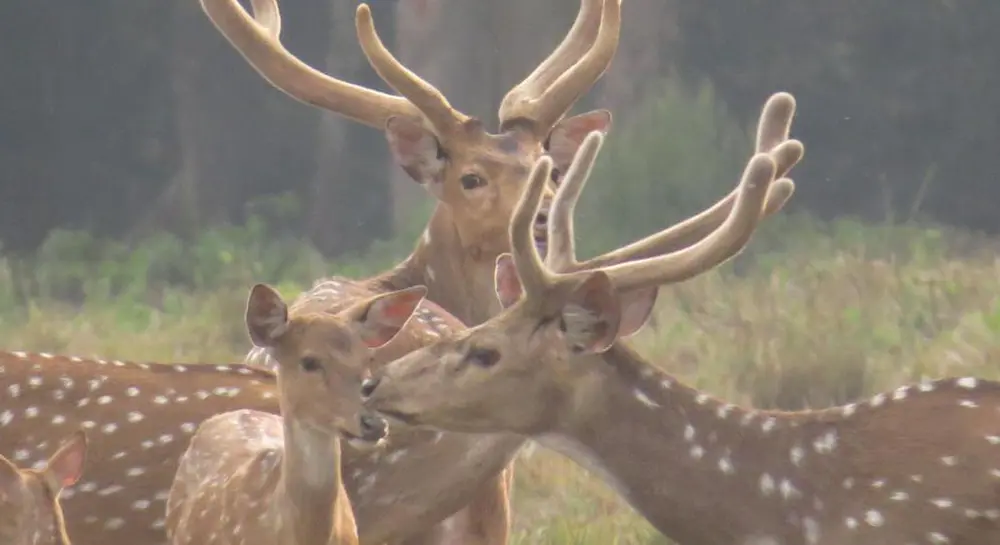
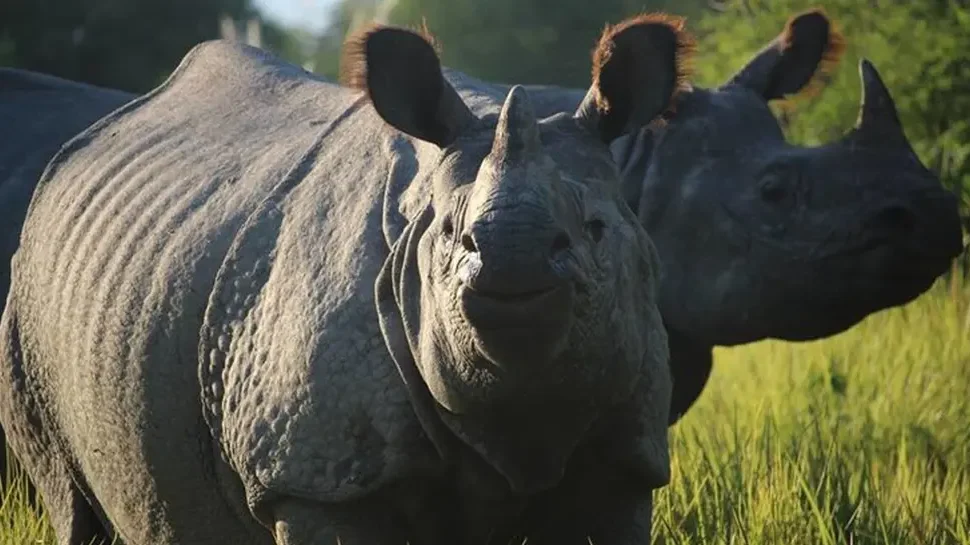
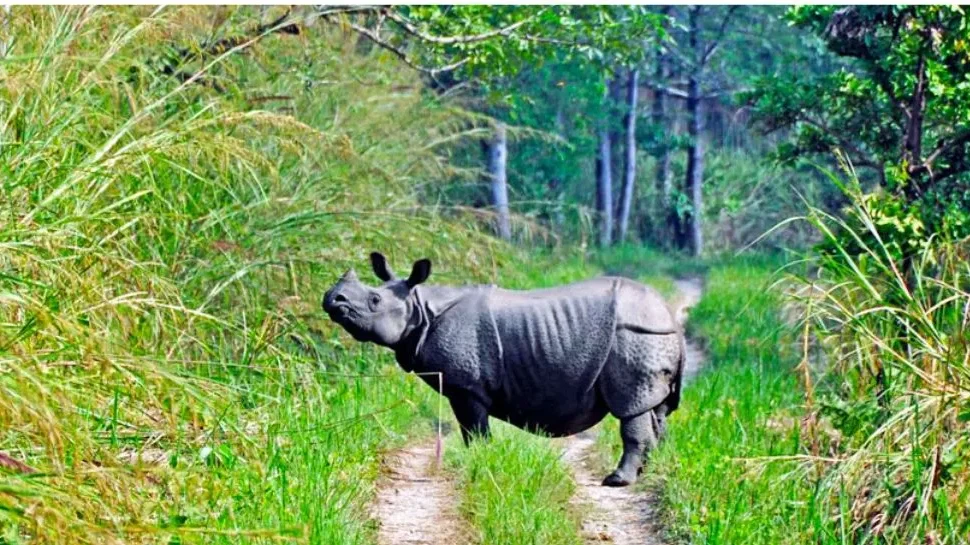
Wildlife enthusiasts consider the winter months the best time to experience the rich biodiversity of Chitwan National Park. During this season, the park’s main attractions, such as Bengal tigers, rhinos, elephants, deer, and boars, are most active, making them easier to see. The cool weather encourages animals to venture out during the day, and riverbanks, grasslands, and forest edges become common routes for hunting, grazing, and socializing. The level of animal activity during winter leads to significantly more sightings compared to summer, when animals tend to stay in the shade. Such activity is another key reason to Visit Chitwan National Park in Winter.
The dry winter significantly enhances the visibility of wildlife. Less grass and uncut trees make it easier to observe predators and prey as they navigate the open spaces and approach water sources. Tigers, For example, are often seen patrolling or basking in the sun, while imposing rhinoceroses freely graze on the vibrant green grass illuminated by sunlight. However, the multitude of onlookers who witness the lazy elephants enjoying their time wallowing in the mud at their favored watering hole far outnumber those witnessing this scene. Consequently, the number of tigers sighted in Chitwan during the winter months is considerably higher than at other times of the year, with some activities displaying an increase in sightings of 30–40% compared to the rainy season.
Travelers planning a Chitwan National Park winter tour or a winter wildlife safari in Chitwan prioritize wildlife observation. It combines increased wildlife activity, the open expanses of the forest, and the stunning winter landscape, appealing to both casual visitors and dedicated wildlife photographers eager to capture memorable shots in the iconic jungle habitat of Nepal.
Reason 3: Unique Cultural Experiences
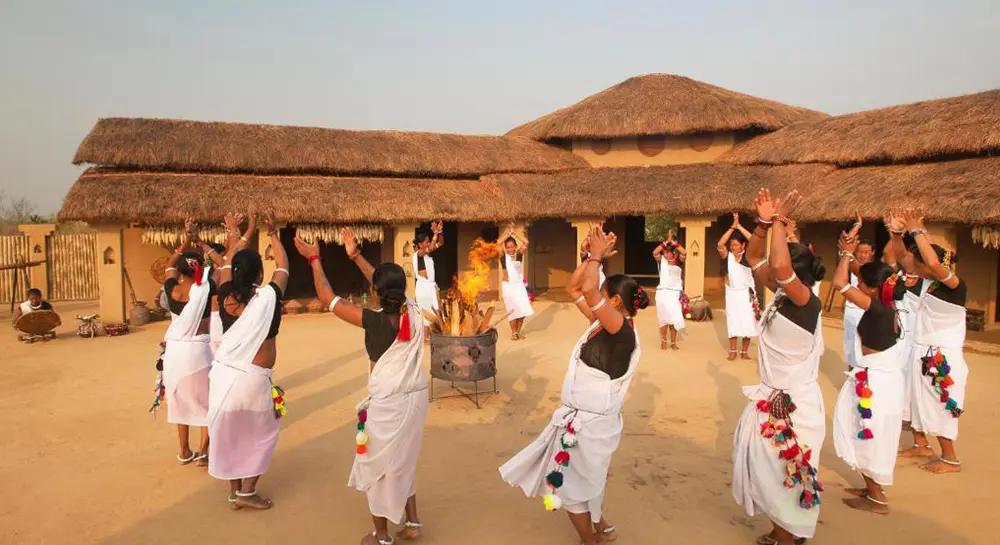
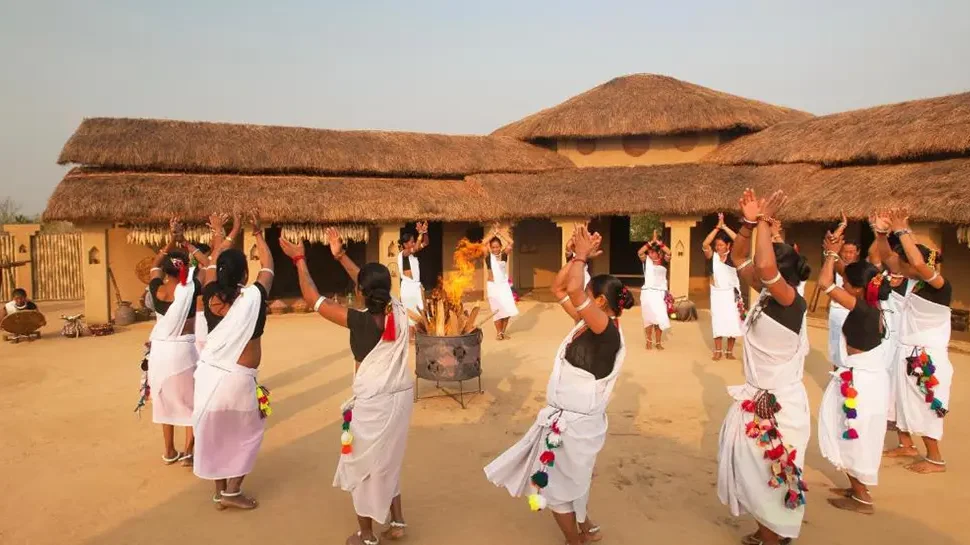
Chitwan National Park in winter is not merely a place where travelers could have the experience of nature. It is also an opportunity for them to encounter a whole different culture. Winter is the time of the year when the Tharu festivals and local customs are at their peak; the visitors can see and feel the throbbing life of the Tharu community. Religious and cultural ceremonies along with dances will be able to tell the story of the region’s past in a festive manner and through lively participation. Experiencing culture is one of the Top 5 Reasons to Visit Chitwan National Park in Winter.
Travelers can immerse themselves in Chitwan winter activities beyond safaris, encompassing visits to Tharu villages, observing their lifestyle, and engaging in conversations with local artisans. A visit to the Tharu community in winter consists of witnessing folk dance performances, listening to traditional music, trying local food, and getting a deeper understanding of life in this diverse region of Nepal. Such encounters make a winter trip extremely interesting, combining the exploration of wildlife with the enrichment of the culture.
For those planning a Chitwan National Park winter tour, incorporating cultural activities into the itinerary enhances the overall experience. The visitors not only see the park’s natural beauty through the combined safari and cultural tour but also get in touch with the people and customs that have lived alongside this landscape for centuries. Winter thus becomes a time for both thrill and profound cultural awakening in Chitwan.
Reason 4: Ideal Time for Photography
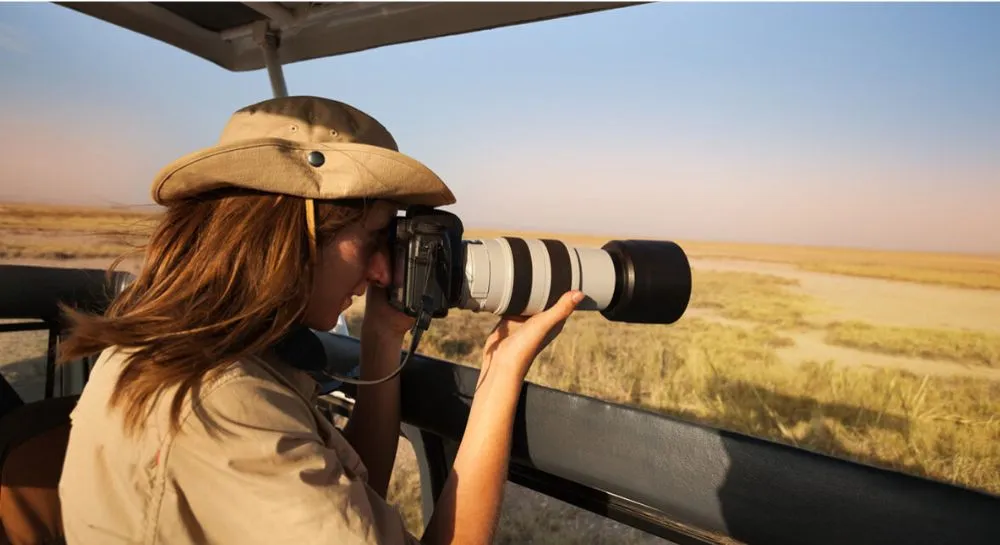
Winter in Chitwan National Park is a paradise for photographers and wildlife enthusiasts alike. The season also means clear skies, a crisp sun, and low haze, thus offering the best conditions for photographing the animals and beautiful landscapes of the park. This feature makes photography another Top 5 Reasons to Visit Chitwan National Park in Winter. In stark contrast to the monsoon season, when the visibility is limited due to clouds and thick foliage, winter presents clear views that make it easier and more satisfying to shoot tigers, rhinos, elephants, and colorful birds.
Photography is all about timing, and morning and late afternoon safaris provide the best lighting. The soft golden glow of sunrise and sunset brings out the beauty of the grasslands, forests, and rivers, and at the same time, the wildlife is visible in its natural habitat. These hours enhance contrast and detail, enabling photographers to capture crisp, high-quality images devoid of harsh shadows or overexposed backgrounds.
For travelers interested in wildlife photography in Chitwan, winter is the best time to mix adventure with artistry. Following winter safari photography tips like using the right lens for distance, keeping patience, and picking the best lighting hours can yield fabulous photographs of the iconic species in the park. So, this winter is not only a great time for safaris but also the perfect season to preserve unforgettable memories through photography.
Reason 5: Lower Tourist Crowds
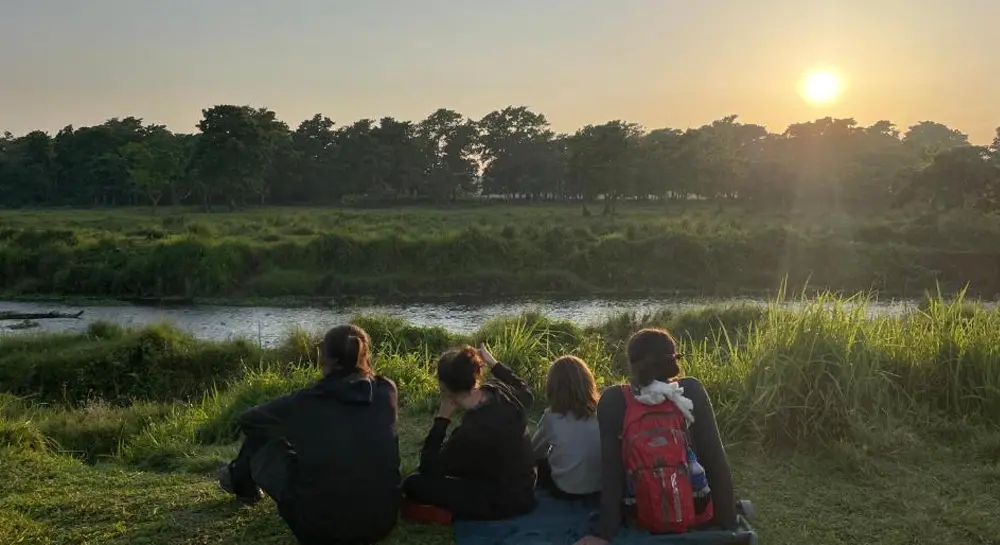
One more very appealing reason to go to Chitwan National Park in winter is the lessened number of tourists. Winter’s fewer guests make it easier to savor a calm Chitwan winter safari compared to the spring and autumn tourists. This visitor is also one of the Top 5 Reasons to Visit Chitwan National Park in Winter. The winter season has a lower tourist count, which affords one a more serene and private experience regardless of whether one is on a jeep safari, a walking tour, or an elephant ride, thus providing one with uninterrupted chances to watch animals and enjoy the park’s natural beauty.
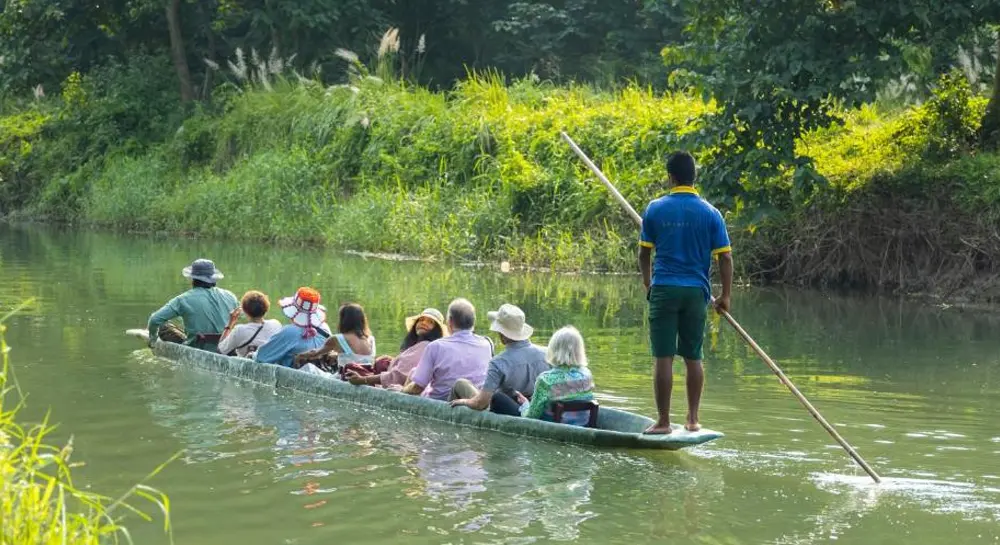
The fewer people also mean it is simpler to get guided safaris, elephant rides, and canoe tours booked with no hurry and no long waiting times that are typical of peak seasons. Guides and local operators can give more attention, allowing travelers to better observe the animals, learn about their behavior, and have a safer, more fun experience. This level of convenience is why the best time to visit Chitwan National Park for calm, immersive, and flexible safari experiences is during the winter months.
For the adventure and peace seekers, a Chitwan winter visit not only enhances the likelihood of animal spotting but also provides a slower and more gratifying interaction with the park’s variety of ecosystems.
For more info You can reach out to us by filling this form—here.
or you can reach out to us via this website too – here
Conclusion
Winter is one of the best seasons for Chitwan National Park tours. The Top 5 Reasons to Visit Chitwan National Park in Winter include comfortable weather, peak wildlife activity, unique cultural experiences, ideal photography conditions, and fewer tourists. The entire dry season offers the exciting opportunity to spot wild animals, while the cooler weather and clear skies enhance the safari experience. It is widely recognized that drier conditions lead to better visibility, which is essential for observing iconic animals such as tigers, rhinos, and elephants.
Additionally, winter is an excellent time to visit for those interested in experiencing the culture of the Tharu community and participating in their festivals, dances, and cuisine, creating a delightful blend of adventure and cultural enrichment. Moreover, the winter season provides exceptional opportunities for wildlife photography in Chitwan, as the sunrise and sunset during this time are particularly favorable for safari excursions. The reduced number of tourists also contributes to a more serene and personalized safari experience, allowing travelers to connect deeply with the park’s natural beauty and wildlife.
While visiting Chitwan this winter, it is crucial to engage in responsible tourism, which is one of the important reasons to visit Chitwan National Park sustainably. By employing local guides, treating animals with care, and adhering to park regulations, visitors contribute directly to conservation efforts—another strong reason to visit Chitwan National Park. These responsible actions help preserve the natural habitat for future generations and support the protection of this UNESCO World Heritage Site, adding meaningful value to the reasons to visit Chitwan National Park in winter. Thoughtful and eco-conscious planning ensures a safe and memorable safari experience, reinforcing why ethical travel is among the top reasons to visit Chitwan National Park. Overall, responsible tourism enhances wildlife protection, community support, and sustainability, making it one of the most compelling reasons to visit Chitwan National Park during the winter season.