Where Culture Lives Beyond the Jungle
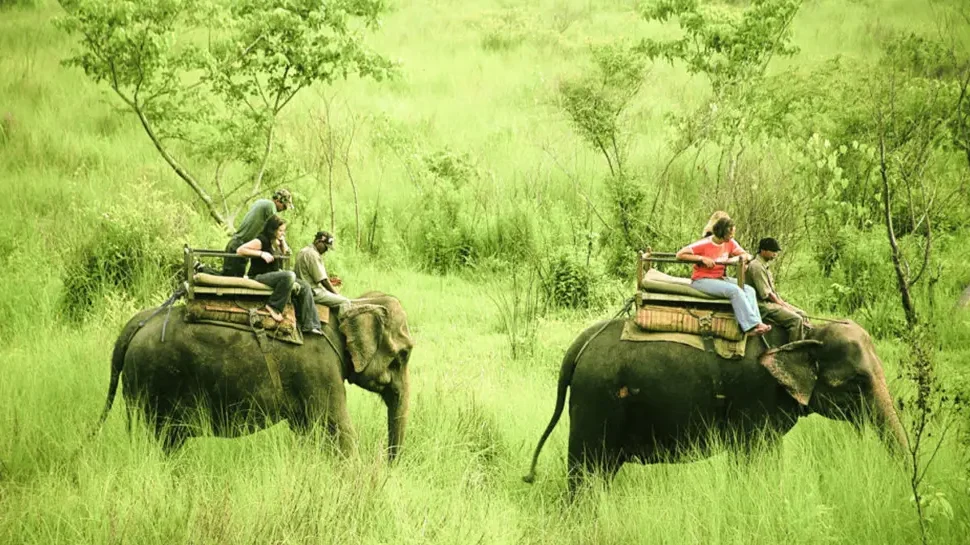
Chitwan is renowned for its thick forests, rare animals, and exciting jungle safaris, but the real charm of this place goes beyond the national park. Many travelers come hoping to see rhinos or Bengal tigers, but they soon find that Chitwan is also full of culture, shaped by generations of local communities. Away from the safari trails, villages are full of traditions, stories, and daily life, showing a more human side of this region. This area is where culture lives beyond the jungle, giving visitors an experience as rich as its natural beauty.
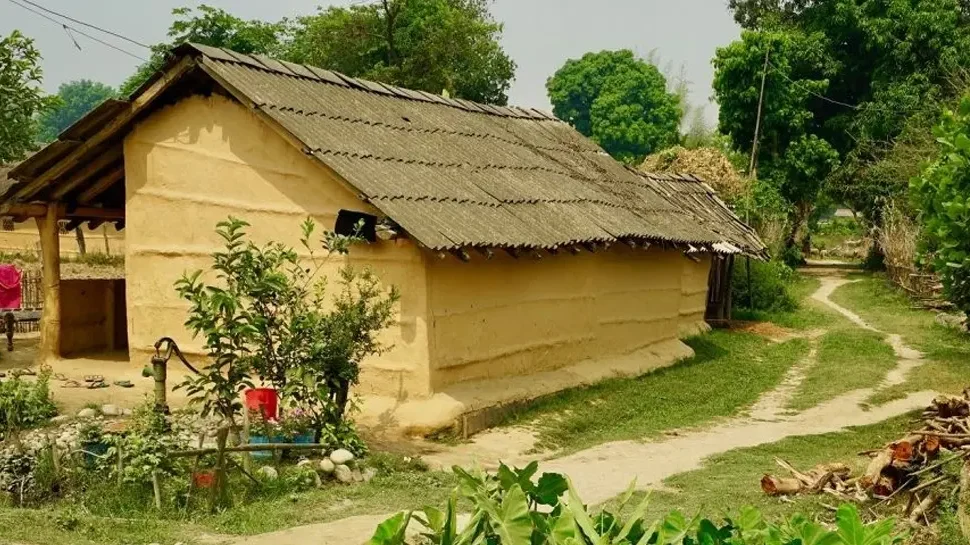
A Tharu Village Tour in Chitwan is one of the best ways to see this cultural side. The Tharu people, the original residents, have lived in harmony with the forests and rivers for centuries. On a village tour, travelers can step into their world, walking through traditional villages, seeing mud houses, and learning about customs that have been preserved over time. This tour is different from regular sightseeing because it focuses on connection, understanding, and respect. This makes it a truly authentic cultural experience.
What makes the Tharu Village Tour special is the chance to interact with local families. Visitors see daily life happen naturally—farmers working in the fields, families cooking traditional meals, and elders sharing stories from the past. These experiences give travelers a sense of heritage and belonging, helping them understand village life in Chitwan. By going beyond wildlife and safaris, this tour shows the heart of the region, where tradition, hospitality, and local lifestyle thrive alongside the jungle.
Who Are the Tharu People? The Indigenous Soul of Chitwan
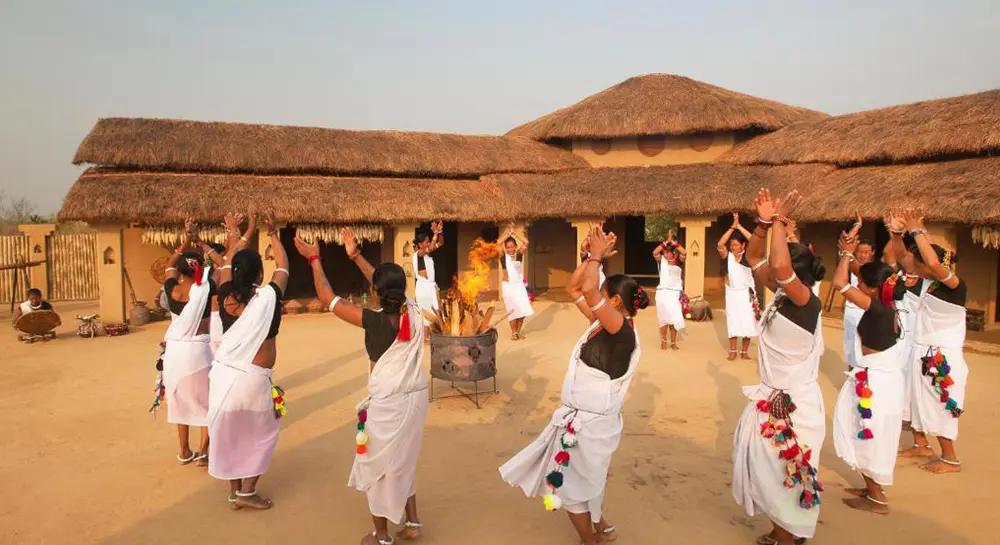
The Tharu people are the original residents of Nepal’s southern plains and they are known as the indigenous Tharu people of Chitwan. Their history spans numerous centuries, predating the construction of modern towns and protected areas. The Tharu people lived by farming, fishing, and using forest resources, which helped them survive in the tough land of the Terai. Their special knowledge of the land and nature created what is now called Tharu culture in Chitwan, a rich heritage based on harmony, tradition, and resilience.
The Tharu people have always lived close to nature, especially the rivers and forests of Chitwan. The jungles gave them food, materials for building homes, and medicinal plants, while rivers like the Rapti and Narayani provided water for fishing and farming. This strong connection to nature shaped their daily life, from building houses with natural materials to farming according to the seasons. Even today, forests and rivers are very important in the Tharu culture of Chitwan, showing both survival and spiritual connection.
What makes Tharu culture so special and well-kept is their strong sense of community and respect for traditions. Even with modernization and tourism, the Tharu people still follow old customs, wear traditional clothes, celebrate colorful festivals, and pass down stories and music through generations. Families share cultural values in the villages, showing their communal way of life. Because of this, the indigenous Tharu people have kept their unique culture alive, making it an important and living part of Chitwan’s heritage.
What Is a Tharu Village Tour in Chitwan?
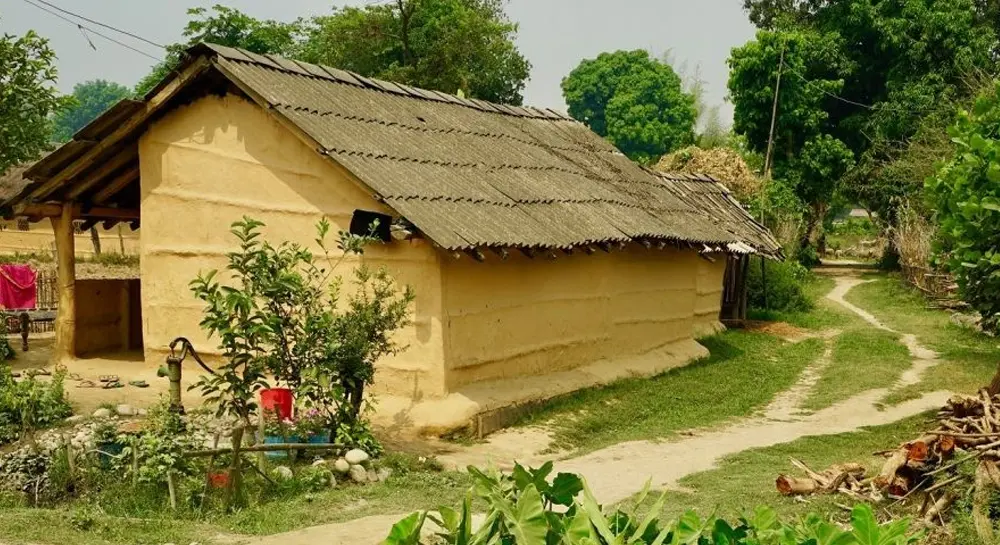
- A Tharu Village Tour in Chitwan lets travelers explore real Tharu villages and experience local life up close.
- It focuses on Cultural Encounters: the Tharu Village Tour in Chitwan, offering authentic cultural experiences rather than just sightseeing.
- Visitors see traditional mud houses, farms, and community spaces and observe daily village activities.
- The tour allows personal interaction with Tharu families, learning about their food, farming, and traditions.
- Unlike commercial tours, it is natural, peaceful, and gives a real glimpse into Tharu culture in Chitwan.
- This experience helps travelers understand and appreciate the heritage and lifestyle of the Tharu people.
- It is a simple yet meaningful way to enjoy culture beyond Chitwan’s jungles and wildlife.
Walking Through Tradition: Village Life and Architecture
- Tharu villages feature traditional mud houses made from clay, bamboo, and thatch.
- Many homes have decorative designs reflecting Tharu heritage.
- Villages are built with a communal layout, encouraging social interaction and togetherness.
- Farming is a central part of daily life, with rice, vegetables, and seasonal crops.
- Livestock like buffaloes, cows, and chickens are cared for and play an important role in village life.
Tharu Traditions, Customs, and Daily Practices
In their daily life, traditions, and social habits, the Tharu people of Chitwan have kept a rich culture. Their clothes and jewelry are unique, often bright and decorated with patterns and symbols that have cultural meaning, especially during festivals and special events. Daily life follows strong local customs, rituals, and values, like respect for nature, hospitality, and helping the community, which have been passed down for generations. Families are close and share responsibilities, and elders have an important role, providing guidance and keeping harmony. Seeing these things in person on a Cultural Encounters: Tharu Village Tour in Chitwan helps travelers understand Tharu culture in Chitwan and appreciate how tradition, respect, and community life continue today.
Taste of Tharu Culture: Traditional Food Experience
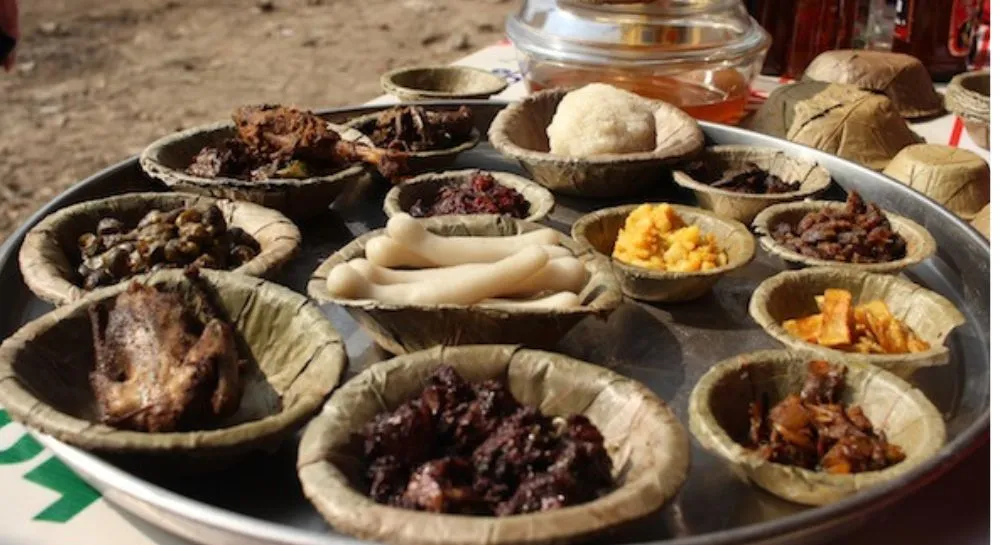
A Tharu Village Tour in Chitwan is not just about visiting villages; it is a journey into the heart of Tharu culture in Chitwan through their traditional food. Visitors can taste real local meals made with fresh, locally grown ingredients, often taken straight from village farms, showing a true farm-to-table lifestyle. Common dishes include dhido (a traditional grain staple), seasonal vegetables, lentils, and meat cooked with local spices, giving a healthy and real taste of the region. In Tharu culture, food is more than just eating; it shows hospitality, family bonds, and community values. Travelers often eat meals with families and learn the social and ceremonial meaning of each dish. This food experience gives a special look into Tharu traditions, daily life, and culture, making it an important part of any Cultural Encounters: Tharu Village Tour in Chitwan.
Music, Dance, and Storytelling: Cultural Expressions of the Tharu
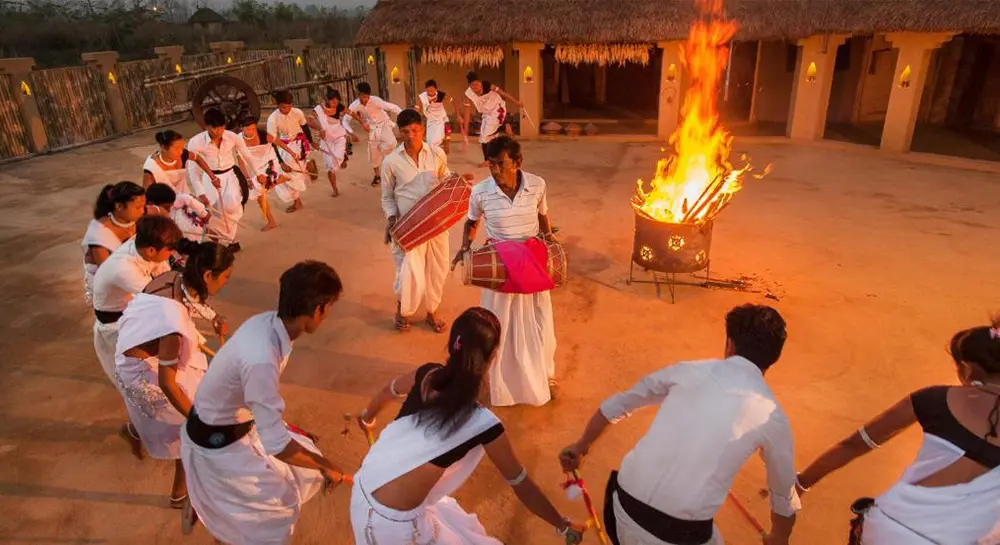
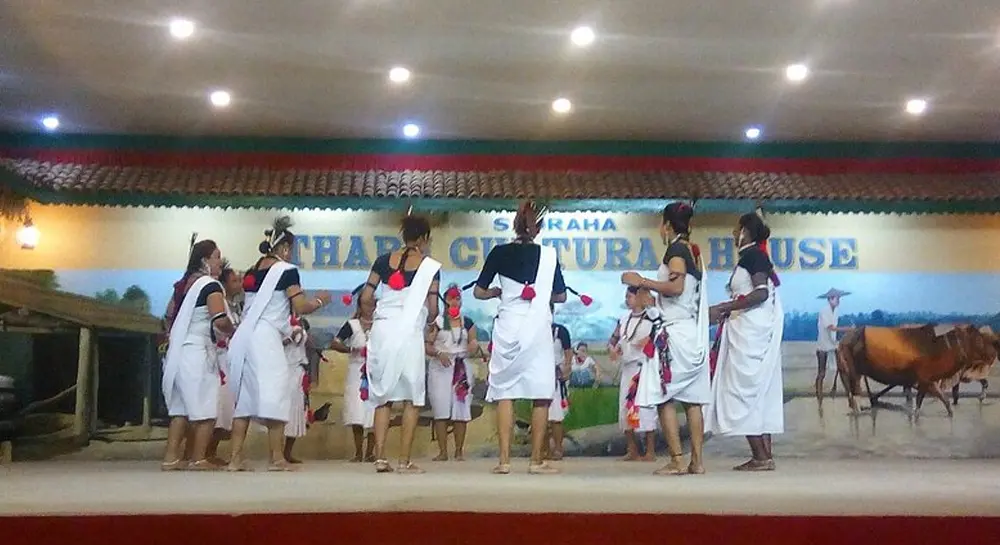
The Tharu people of Chitwan have a vibrant tradition of music, dance, and storytelling that reflects their rich heritage and daily life. These cultural expressions are an essential part of festivals, rituals, and community gatherings, offering travelers an authentic glimpse into Tharu culture in Chitwan. During a Tharu Village Tour in Chitwan, visitors can experience lively performances, hear traditional instruments, and listen to folktales that have been passed down for generations.
Highlights of Tharu Music, Dance, and Storytelling:
Folk Dances:
- Jhaure: danced during celebrations and harvest festivals.
- Danda Nach: a traditional dance showing bravery and stories.
Musical Instruments:
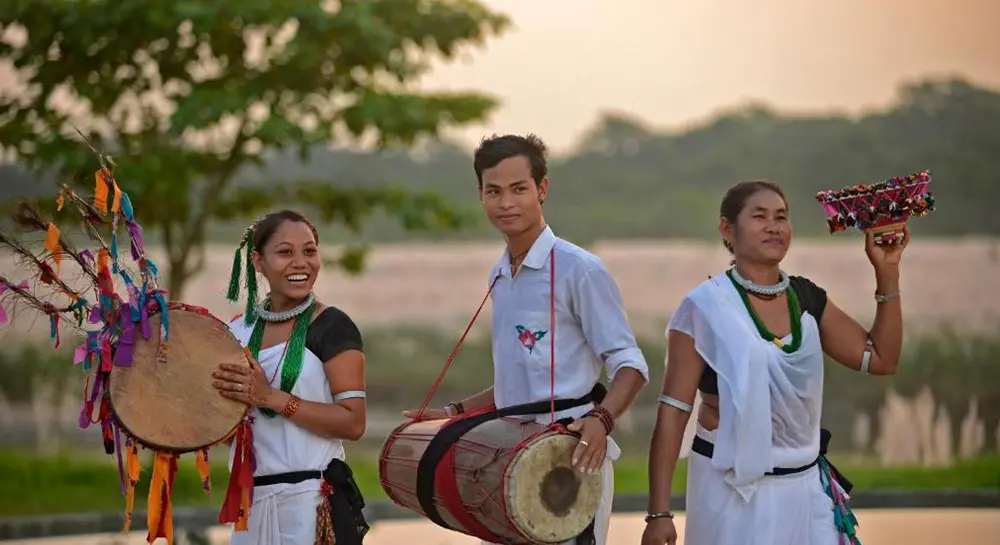
- Madal: a hand drum used in most performances.
- Sarangi: a string instrument played with folk songs.
- Flute and cymbals: used in festivals and ritual dances.
Cultural Performances During Village Visits:
- Live dance shows by villagers during festivals or special events.
- Music and singing that go with community rituals and stories.
Storytelling Traditions:
- Folktales that teach moral lessons, local history, and nature.
- Elders share stories to keep knowledge and culture alive.
Watching and joining these activities helps visitors understand the Tharu people’s life, values, and creativity, making the village tour a real and full cultural experience.
Meaningful Cultural Encounters: Interacting with Local Families
A Tharu Village Tour in Chitwan gives travelers a special chance to experience real cultural encounters in Chitwan by meeting and spending time with local Tharu families. Visitors learn about the Tharu way of life by watching and taking part in daily activities like farming, cooking, and household work. Talking with villagers shows their traditions, values, and knowledge passed down over generations, like farming, herbal medicine, and making crafts. The tour also lets travelers try activities like cooking traditional meals, weaving mats, or making handicrafts, giving a real feel of village life instead of just watching. This respectful tourism helps visitors honor local customs, understand community life, and support the Tharu way of living. In the end, the tour gives a meaningful connection, helping travelers appreciate Tharu culture in Chitwan, its heritage, and living traditions, making it both educational and life-changing.
Best Time to Experience a Tharu Village Tour in Chitwan
The best time to do a Tharu Village Tour in Chitwan is during the dry and mild seasons. These seasons make it easy for travelers to explore villages, meet local people, and take part in cultural activities. Autumn (September to November) and spring (March to May) are the best months, with excellent weather, clear skies, and beautiful scenery. During these months, visitors can walk around villages, watch farming, and join hands-on activities without problems from heavy rain or very hot weather, making the experience more enjoyable.
Festival times in Chitwan make the tour even more exciting and real. Festivals like Maghi, the Tharu New Year, and other local celebrations show traditional dances, music, and rituals. Watching or joining these festivals gives travelers a special look at the social and spiritual life of the Tharu people, making cultural encounters in Chitwan more meaningful.
Weather is also important to plan a visit. The monsoon season (June to August) can make paths muddy and some areas difficult to reach. Winter (December to February) can be a bit cold, especially in the mornings and evenings. Picking the right season makes travel easier, helps visitors connect with locals, and lets them fully enjoy Tharu culture in Chitwan, from daily life to festivals.
Why the Tharu Village Tour Is a Must-Do Experience in Chitwan
The Tharu Village Tour in Chitwan is a very immersive experience that lets travelers explore the region’s rich culture beyond its famous wildlife. Many visitors come to Chitwan for jungle safaris and to see exotic animals, but the village tour shows the daily life, traditions, and customs of the Tharu people. It gives a rare chance to see how this indigenous community keeps its heritage alive through music, dance, festivals, farming, and social practices, making the trip both memorable and educational.
The tour is great for travelers who want real experiences. Unlike commercial tourism, it focuses on meeting local families, joining hands-on activities, and watching traditional lifestyles. Visitors learn about the values, rituals, and community spirit of the Tharu people, giving a meaningful connection beyond regular sightseeing.
The Tharu Village Tour is also educational and enjoyable for all ages. It is good for families, solo travelers, and anyone interested in culture. Children can learn about village life, elders can share stories and wisdom, and everyone gets to experience a living culture that has lasted for generations.
Key Highlights of the Tharu Village Tour:
- Shows Tharu culture, daily life, and traditions, not just wildlife.
- Good for travelers who want real local experiences.
- Helps people learn about Tharu traditions and daily life.
- Allows visitors to help with farming, cooking, and making crafts.
- Gives a chance to see local festivals and cultural shows.
- Encourages respect and sharing time with local families.
- Suitable for all ages, so families can enjoy it together.
This combination of immersion, learning, and interaction makes the Tharu Village Tour in Chitwan a must-do for anyone wanting to experience the true heart of Chitwan beyond the jungle.
Responsible Tourism and Supporting the Tharu Community
- Village tours give money directly to local families, helping support Tharu livelihoods.
- Travelers help the local economy by buying handicrafts, food, and services.
- Ethical visits ensure that interactions with the community are respectful and careful.
- Joining real activities like cooking or farming helps keep traditional skills alive.
- Tours teach people about Tharu culture in Chitwan and help preserve their heritage.
- Sustainable tourism lowers harm to the environment and local resources.
- Spending time with the community encourages understanding and cultural exchange.
- Responsible tourism helps keep these cultural experiences available for future travelers.
For more info You can reach out to us by filling this form—here.
or you can reach out to us via this website too – here
Conclusion: Discover the Human Heart of Chitwan
A Tharu Village Tour in Chitwan is more than just a trip. It is a chance to see the traditions, values, and daily life of the Tharu people, the original community of Chitwan. Many visitors come for wildlife and jungle safaris, but the real beauty is the local culture and people. During the tour, travelers can see and join daily activities, learn about farming, cooking, and traditional crafts, and watch local festivals and customs. This helps visitors understand Tharu culture in Chitwan and see how their lifestyle and traditions live in harmony with nature.
Experiencing cultural encounters in Chitwan encourages travelers to see beyond the scenic landscapes and explore the human stories that define the region. The warmth, hospitality, and generosity of Tharu families last a lifetime, creating memories that go beyond photographs or sightseeing. By meeting local people, travelers learn about the Tharu way of life and help support sustainable and respectful tourism, keeping their culture alive. A Tharu Village Tour helps visitors see Chitwan as a place where nature and culture exist together, giving a real and meaningful experience that stays in the heart.
.