Introduction: Why Timing Matters for Tiger Spotting in Chitwan
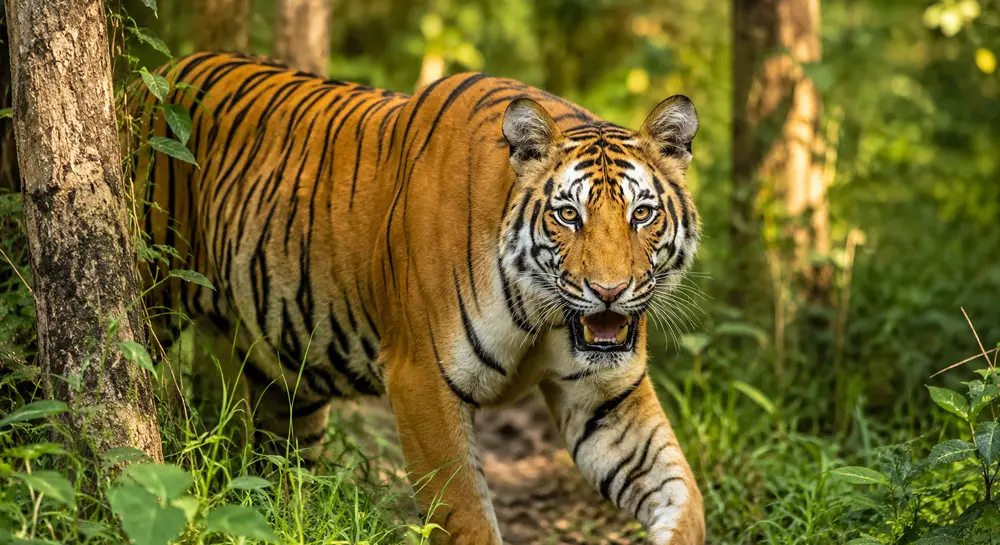
The best time for tiger spotting in Chitwan is a key factor in the success of your safari experience. Chitwan National Park, for its part, keeps a healthy population of the Royal Bengal tigers; however, these creatures are by nature very elusive and prefer to stay hidden in thick forests.
Paying a visit to the park at the right time not only increases the visibility but also improves the movement patterns and thus the chances of the tigers being seen in their natural habitat to a significant extent. It is therefore safe to say that timing is as crucial as having the right safari type or guide.
The season and safari timing in Chitwan National Park can positively or negatively influence tiger sightings. During the dry season, tigers are found closer to the rivers and in open areas because they prefer these locations due to the limited water supply and short grass.
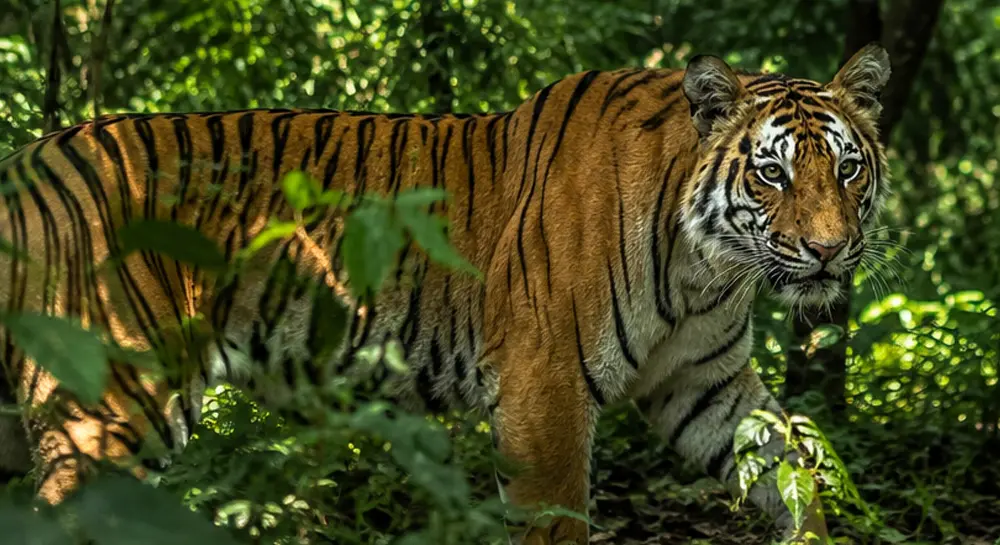
The best time for tiger viewing in Chitwan is generally the early morning and late afternoon since the cooler temperatures during these times are favorable for tigers, who then move, hunt, and patrol their territories. Conversely, poor timing usually means that one has to confront limited visibility and therefore fewer chances of encountering the wildlife.
Understanding tiger behavior in Chitwan provides travelers with the chance to set realistic expectations. Tigers are, by nature, solitary and territorial creatures that will always avoid human activities and hot areas. They live most active lives during the cooler hours of the day and are likely to rest when the sun is at its highest.
In Chitwan National Park, for instance, tigers are likely to take the routes leading to their prey, near the rivers, and in the clearings of the forests. Thus, by planning your visit during the right season and safari hours, you not only increase the odds of witnessing one of the most powerful and rare wildlife experiences in Nepal but also get to enjoy a truly rewarding jungle safari.
Best Season for Tiger Spotting in Chitwan

The best season to see tigers in Chitwan is during the dry months, when wildlife conditions are at their best, and the movement of animals is most visible. The park has two main seasons: one is dry, and the other is rainy. Each season presents a unique safari experience, but in the case of tigers, the right time makes a significant difference. Knowing the seasonal impact on the jungle will enable travelers to have a better and more fruitful safari.
During the dry season in Chitwan (roughly from October to May), the jungles are still thick, and the rivers are usually dry. Most of the water sources become unavailable, leading both the prey creatures and the predators to come closer to the rivers, lakes, and waterholes. In contrast, the wet season results in rain, jungles, and muddy paths, making it impossible to see tigers and restricting safari visiting in some areas.
The reason dry months improve tiger sighting chances in Chitwan is very straightforward: tigers need to be moving around more and more often in the search for water and prey. With the little cover and better views, the guides can locate the movement by tracking signs like pugmarks and calls.
The dry season’s cold nights and warm days also make the tigers more active. For the travelers who are looking for the highest chances of sightings, visiting Chitwan National Park during the dry season remains the most dependable and safari-friendly option
Best Time for Tiger Spotting in Chitwan by Month
Choosing the best month for tiger spotting in Nepal can greatly increase your chances of seeing a tiger in Chitwan National Park.
| Month(s) | Conditions | Tiger Sighting Chances | Notes |
| October | Start of dry season; fresh landscapes after monsoon | High | Visibility improves; early morning safaris recommended |
| November | Dry season continues; vegetation thinning | High | Tigers easier to spot along riverbanks and grasslands |
| December | Cooler temperatures; occasional morning fog | Moderate to High | Early morning and late afternoon safaris comfortable |
| January | Coolest month; dry conditions | Moderate to High | Fog may limit early sightings; wildlife still active |
| March | Rising temperatures: prey moves closer to rivers and waterholes | Peak | One of the best months for tiger sightings |
| April | Hotter month; dry conditions | Peak | Ideal for sightings; expert guides recommended |
| May | Hot and dry; water sources limited | Peak | Tigers concentrate near rivers and waterholes |
| June–September | Monsoon season: heavy rain, dense vegetation, tall grasses | Low | Hot and dry; water sources are limited |
Best Time for Tiger Spotting in Chitwan: Morning vs Evening Safari
Making a safari plan requires understanding the differences between morning vs evening safaris in Chitwan, particularly regarding tiger sightings. The natural behavior of tigers is a key factor in choosing the time of day for the safari, as tigers are more likely to be visible in the morning compared to being hidden in the forest later in the day.
An early morning safari in Chitwan National Park is considered the most optimal time for tiger watching. The refreshing weather, combined with tigers ready for their territory patrols and prey searches, creates ideal conditions for sightings. Morning is also an excellent time to observe pugmarks, fresh scratches, and movements along the riverbanks and grasslands, as the light is quite illuminating.
Wildlife activity typically peaks in the morning, making it the preferred time for photographers and serious wildlife enthusiasts. A late afternoon or evening safari in Chitwan is an excellent time for tiger spotting. The tigers, which typically rest during the hot hours, begin to move again, usually heading to water sources or hunting areas.
Several factors affect how tigers move, with temperature being a key factor; leopards avoid the hot midday sun and are more active during the cooler hours. Whether you choose the morning or evening, you will have the highest chance of encountering tigers during a Chitwan jungle safari.
How Weather and Climate Affect Tiger Sightings in Chitwan

The Chitwan National Park tiger season is highly correlated with the weather and climatic conditions, which in turn greatly affect the tigers’ movements and their visibility to humans. The tigers’ activity is largely dependent on heat, fog, rain, and humidity. Tigers have their biggest area of activity at night and early mornings in hotter seasons.
During spells of extreme heat, they have a reduced daytime activity posture and occupy cool places, such as in the shade or near water, whereas cooler weather encourages them to be less cautious and move more. Fog, mainly on winter mornings, can sometimes very temporarily limit visibility, but usually this clears up by the time it is mid-morning, and safaris can continue without much disruption.
The presence of rain and humidity is also very influential in the matter of tiger sightings. Schism of heavy rain during the monsoon months, on the other hand, leads to the growth of dense vegetation and the formation of tall grasses; this presents tigers with more creeks to hide in.
The combination of high humidity and sticky, muddy roads makes tracking extremely difficult, thus reducing the chances of sightings. On the other hand, dry weather conditions facilitate the creation of clear forest paths and open grassland areas, therefore making it easier for the guides to see the movement and detect the fresh signs.
The tiger, being one of the most sought-after animals, is a primary reason why the dry season is considered the best time for tiger safaris in Chitwan. The grass-cutting season in Chitwan National Park correlates with the season for tiger spotting, as tigers are often most visible during and just after the cutting of tall grasses when they move more frequently between forest zones and water sources.
The lower water levels in rivers during the dry season have an indirect effect on the movement of the prey, making them come closer to rivers and lakes. Given that tigers move with their prey, this natural gathering of animals at the water sources increases the chances of seeing the tigers; hence, weather and climate are critical factors for a successful Chitwan safari.
Tiger Movement Patterns in Chitwan
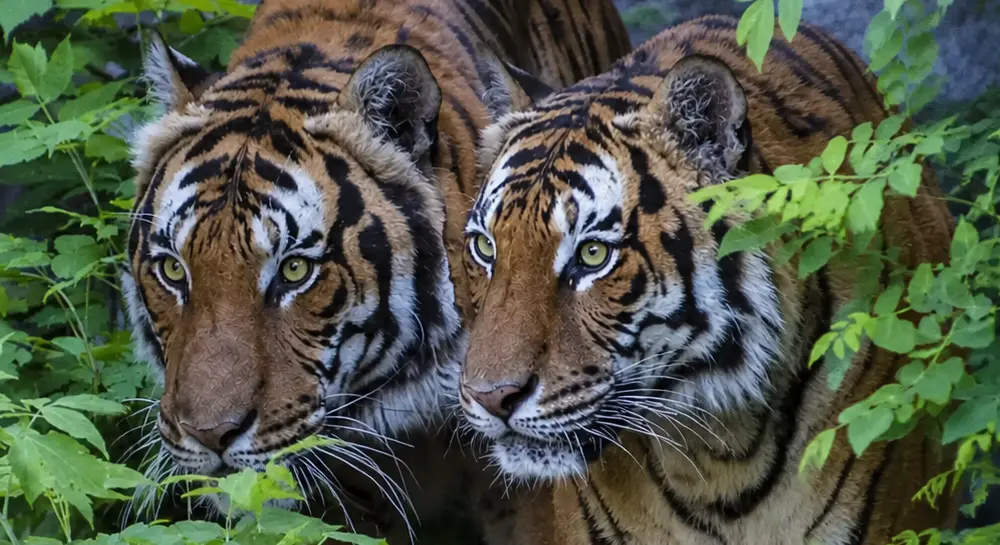
Understanding tiger sightings in Chitwan National Park begins with knowing how and where tigers move within their habitat. Tigers in Chitwan follow natural pathways that provide cover, access to water, and hunting opportunities.
They often travel along riverbanks, forest edges, and grassland corridors, where visibility is better and prey animals are more active. These areas allow tigers to move efficiently while staying partially hidden, making them prime zones for successful safari sightings.
The role of prey animals is crucial to tiger movement in Chitwan. Water-based or open grazing areas draw in deer, wild boar, and other ungulates, particularly during the dry season. In response, tigers follow pathways that lead to these potential prey, reflecting a typical adjustment in their movement patterns due to the unpredictability of food availability.
An increase in prey activity and levels of exploration near riverbanks and forest openings significantly boosts the likelihood of spotting tigers. This, in turn, creates opportunities for quiet observation as tigers stalk or rest out of sight, resulting in exceptional safari experiences.
During the dry season, Territorial movement becomes particularly noticeable among established animals. These animals mark their boundaries and patrol their territories in search of mates or to maintain their range. Due to seasonally reduced vegetation and fewer water sources, visibility increases, making these territorial movement paths more predictable.
This predictability greatly benefits experienced trackers. With these constraints in place, along with seasonal behavior and route-following tendencies, the National Park showcases the most sustained tiger activity during the arid months.
Role of Guided Safaris in Successful Tiger Spotting
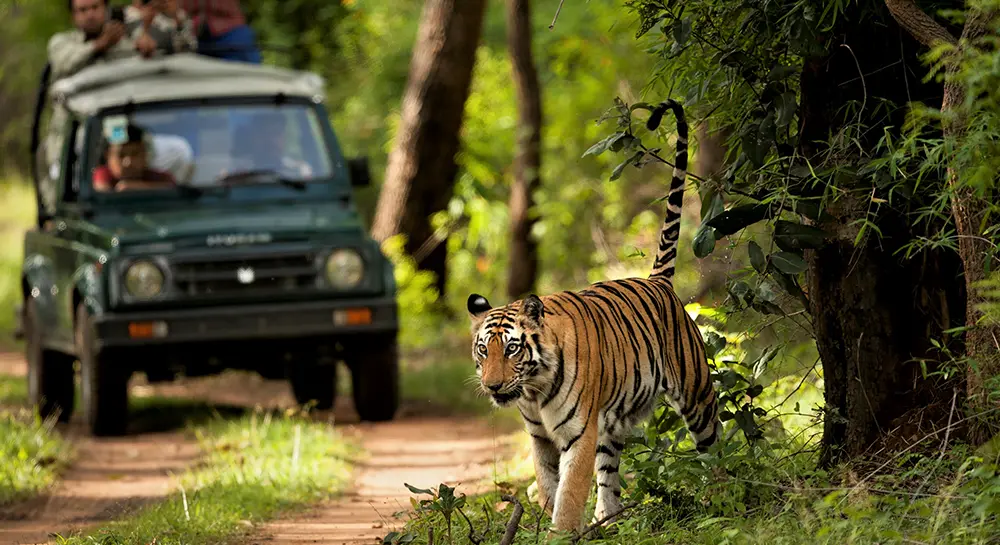
The Chitwan tiger safari timing becomes far more effective with expert guidance. They understand the unpredictability and elusiveness of the tiger. Luck alone is not sufficient for spotting a tiger; thus, a knowledgeable naturalist’s tasks include interpreting clear pug marks, distress calls, and soft shushing sounds, as well as maintaining coverage to protect the area from wind.
This segment typically discusses seasonal narratives, weather patterns, and how tigers utilize their territories while also promoting safe, sane, and eco-friendly wildlife viewing. There are several factors to consider when deciding between a jeep safari and a walking safari in Chitwan that can impact tiger sightings.
A jeep safari allows for covering larger areas in a shorter amount of time, making early mornings and late afternoons the optimal times for spotting tigers. It is beneficial for a guide to quickly act on movement reports from other vehicles.
In contrast, walking safaris typically occur in mid-morning and provide a more immersive experience in the jungle, but they rely heavily on effective timing and guidance.Tiger sightings are less common during walking safaris, but these excursions offer a closer look at tiger habitats and tracking techniques.
The overall success of these safaris relies on choosingpark zones with higher tiger activity, which correlates with a greater concentration of tigers. In Chitwan National Park, certain areas exhibit more frequent tiger activity due to factors such as water availability, prey density, and forest structure.
Professional guides assess the best routes based on daily tiger movements, seasonal variations, and recent sightings. To improve their chances of observing tigers in their natural habitat during a Chitwan jungle safari, tourists should thoughtfully consider the timing, type of safari, and expertise of local guides.
Tips to Maximize Your Chances of Seeing a Tiger
- Choose the right safari time in Chitwan, especially early morning or late afternoon, when tigers are most active.
- Visit during the dry season to view tigers when the trees are leafed out, and spotting visibility is relatively better.
- Guests may wish to extend their stay in Chitwan due to the variety of excursions offered daily.
- In a Jeep, a safari will be the best option because it offers fairly universal coverage and speedy tiger tracking.
- Always go with naturalists and guides twice, as they would already know the tiger and the tracking signs.
- On safaris, silence is crucial; any noise can cause a tiger to flee quickly in dense cover.
- People may look at the riverbanks, forest edges, and grasslands where tigers commonly roam and hunt.
- Maintain an open mindset. After all, no one should ever plan to see tigers, as tiger sightings need time, chance, and conditions.
For more info You can reach out to us by filling this form—here.
or you can reach out to us via this website too – here
Conclusion: When Is the Best Time for Tiger Spotting in Chitwan?
Thebest time for tiger spotting in Chitwan is from March to May in the dry season, when visibility is superb. The tigers are around these few water spots, and a good early-morning or late-afternoon safari will lead to a chance encounter. The cooler conditions encourage tiger movement and hunting behavior.
Careful timing during the right season, month, and best time of day improves the chances of a memorable tiger sighting in Chitwan National Park. It is necessary to manage expectations about tiger sightings in Chitwan. Tigers are solitary, shy, and naturally retreat from human settlements, so every sighting is special, but none are guaranteed.
Even if you visit at the right time, with the nicest guards, you will need a lot of luck and patience. To make the most of the enjoyment of the complete jungle safari, covering other wildlife, birds, and landscapes would be the best value besides tiger sightings.
Lastly, responsible travel is important for keeping Chitwan’s animals safe. Supporting ethical practices, respecting park rules, and choosing experienced local guides help preserve the natural behavior of tigers and their habitat. By practicing responsible wildlife tourism, visitors not only increase their chances of sightings but also contribute to the long-term conservation of tigers in Chitwan National Park.