Introduction: The Importance of Conservation in Chitwan
Chitwan National Park is in the subtropical lowlands of Nepal. It is a UNESCO World Heritage Site and one of the most important protected areas in Asia. The park was created in 1973 and covers over 932 square kilometers. It provides a safe home for many of the region’s most famous and endangered animals, who live here safely.
Being a UNESCO site shows that Chitwan is important for both nature and culture. Every year, thousands of tourists, photographers, wildlife lovers, and researchers come to see tigers, rhinos, and elephants living freely in the wild. The park has a wide variety of animals.
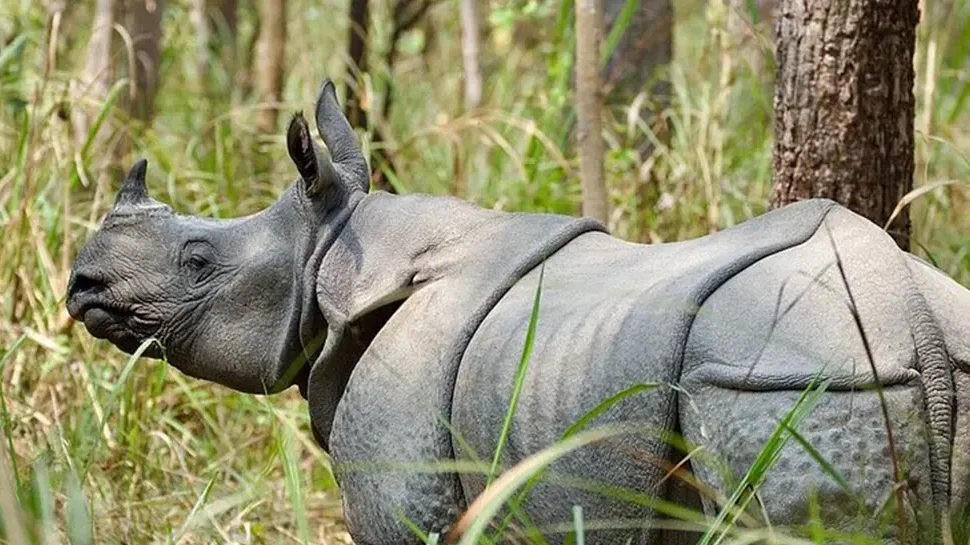
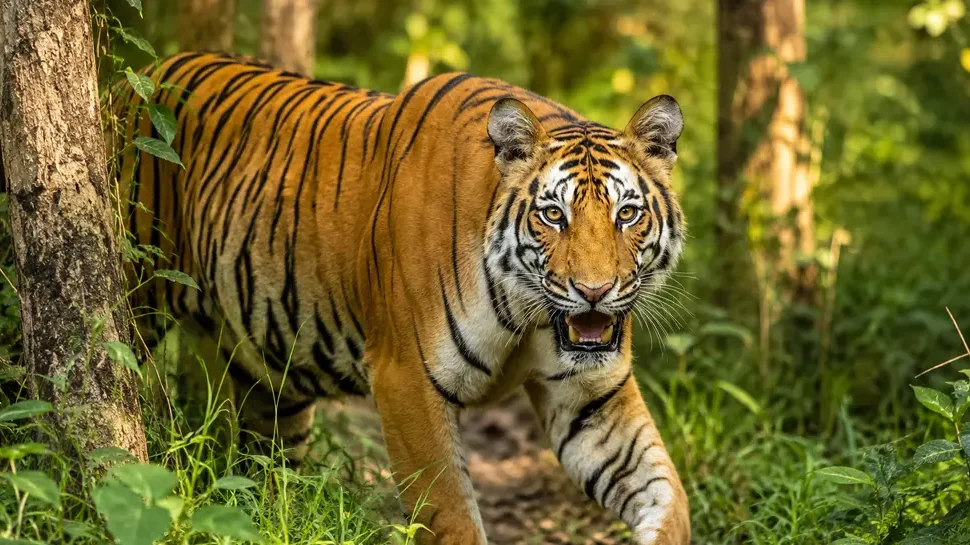
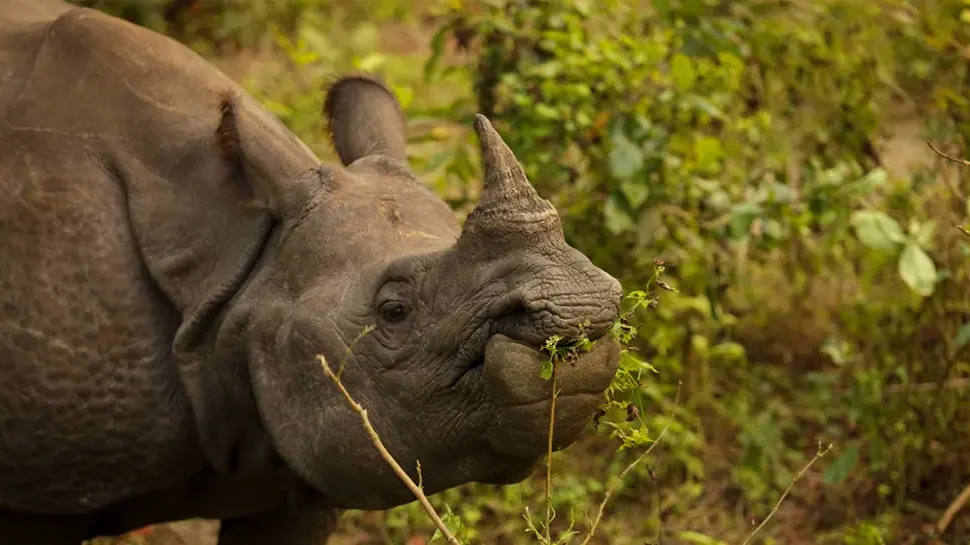
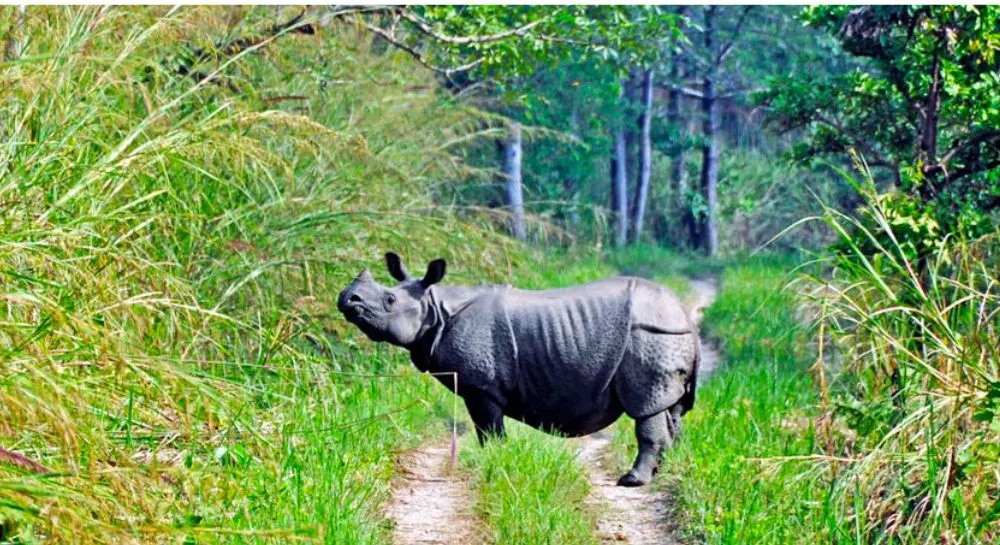
It is home to the Royal Bengal tiger, the one-horned rhinoceros, Asian elephants, leopards, and sloth bears. More than 500 bird species, including local and migratory birds, also reside here. These animals live in different habitats, from thick sal forests and tall grasslands to rivers and lakes.

This variety makes Chitwan perfect for ecotourism and safaris, which help local communities too. Tigers, as top predators, and rhinos, as important species, show that the park’s ecosystem is healthy. Their presence proves that conservation efforts are working well.
Conservation in Chitwan is not just about saving animals. It keeps the ecosystem balanced. Predators, prey, and plants work together to prevent overgrazing and keep soil and forests healthy. Anti-poaching programs, habitat restoration, and scientific monitoring protect these natural processes.
By keeping Chitwan safe, these efforts also help with climate control, water management, and overall ecosystem health. Chitwan National Park is a key part of Nepal’s environmental conservation work.
Historical Challenges in Wildlife Protection in Chitwan
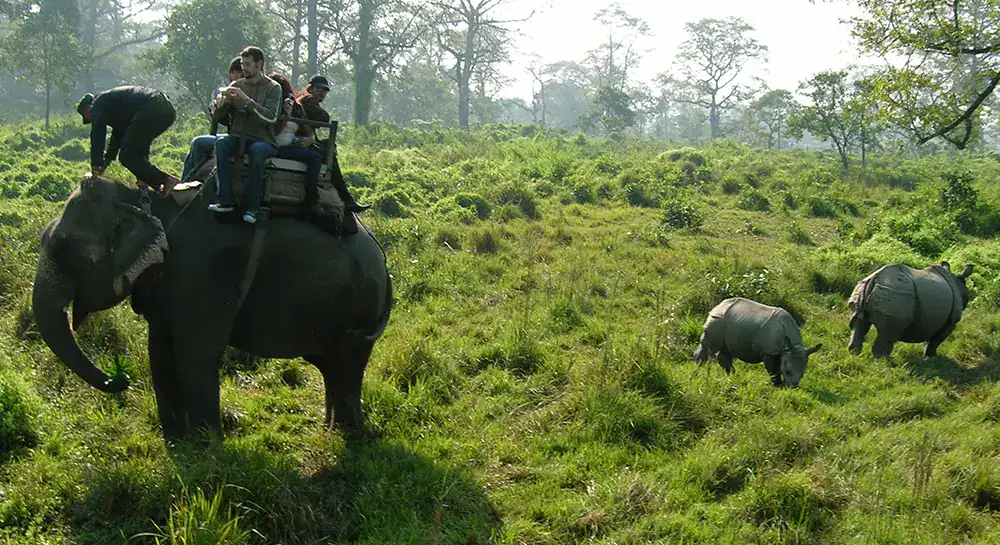
Chitwan National Park has had serious problems with poaching, habitat loss, and conflicts between people and animals. Tigers, rhinos, and other endangered animals were hunted for their skins, horns, and body parts. This illegal trade happened both in Nepal and other countries.
At the same time, more farms and villages took over animal habitats, leaving less space for wildlife. These problems disturbed the natural balance and put the plants, animals, and overall health of the ecosystem at risk.
By the 1960s and 1970s, rhinos were almost extinct, and tiger sightings were very rare. People and wildlife often came into conflict, like animals eating crops or attacking livestock. Protecting these important species needed proper conservation programs and careful wildlife management.
The first steps included creating anti-poaching patrols, making laws to protect wildlife, managing habitats, and teaching local communities about conservation. These actions showed that both law enforcement and education are important. Today, Chitwan National Park is a world example of wildlife conservation. It shows how focused efforts can save species and restore a healthy ecosystem.
Anti-Poaching Initiatives in Chitwan National Park
Chitwan National Park’s anti-poaching efforts are key to its conservation success. Park rangers and wildlife teams patrol the park, watch animal movements, and protect endangered species like Bengal tigers and one-horned rhinos. Modern tools help these efforts. Camera traps, GPS trackers, surveillance cameras, and checkpoints spot human intrusions quickly.
Regular patrols along rivers, grasslands, and forests stop poachers and keep wildlife safe. Local people, including the Tharu community, also help by joining awareness programs and ecotourism projects. By providing alternative livelihoods and education, communities become active guardians of wildlife, helping reduce poaching while fostering a culture of sustainable conservation.
Habitat Restoration and Management in Chitwan National Park
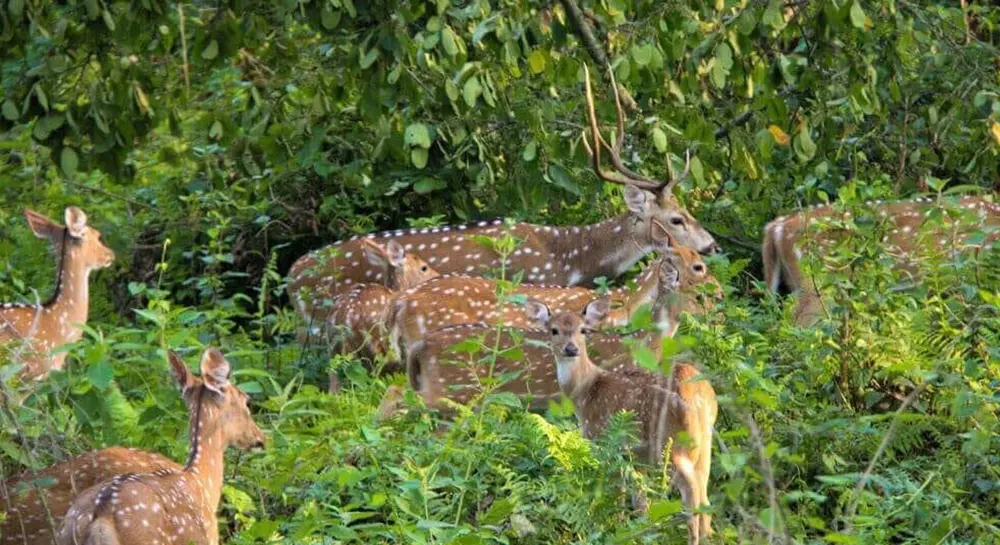
One of the vital roles in the conservation of species in Chitwan National Park is to preserve and repair diverse habitats consisting of dense forest, extensive meadows, and critical wetland systems, which also provide refuge, food supplies, and breeding grounds for major species like Bengal tigers, the one-horned rhino, and Asian elephants.
The coherence of the areas has to be maintained to secure the well-being of wildlife, thereby sustaining the undisturbed composition of the park from all sorts of biodiversity enhancement and ecosystem services. Authorities also manage vegetation through a controlled fire regime.
Occasionally, these lands are cleaned of overgrown shrubs and low grasses to restrain the dominance of exotic occupants and enhance the growth of food for rodents, roe deer, and wild boar. The resulting decline of fire potential doubles the benefits.
Beyond that, on his mostly open land, a forest fire helps sustain the plains and open critical factors in predator-prey relationships, leading to a higher success rate in hunting by the tiger and other carnivores. Together, they create a balanced ecosystem wherein predators and prey can coexist and thrive, respectively.
Moreover, the contiguous presence of river corridors and water bodies offers essential support to venerated species. Water bodies need to be managed meticulously to render year-round water availability. In arid seasons, water scarcity may bring towns of big animals and foster competition for water access, as well as other stresses inflicted on some animals suffering from that competition.
Restoring riverbanks, wetlands, and oxbow lakes provides tigers, rhinos, and many other land and water animals a favorable place to live. This helps their populations grow and keeps the ecosystem healthy. These restoration efforts make Chitwan a wonderful example of successful wildlife conservation in Nepal.
Community Involvement in Conservation

A key pillar of wildlife conservation in Chitwan National Park is the active participation of Tharu and local communities. The people living near the park take part in conservation programs. They help watch wildlife, report illegal activities, and support projects to restore habitats.
Their traditional knowledge of the forest helps understand animal behavior, migration, and seasonal changes, making conservation efforts more effective and lasting. Eco-tourism provides local communities a beneficial way to earn money while protecting wildlife.
Community-run lodges, guided nature walks, and cultural tours provide income and encourage responsible wildlife viewing. This reduces poaching and makes the community take care of the park’s natural resources, helping both people and the environment.
Education is also crucial. Schools, community centers, and awareness campaigns teach locals and visitors about protecting wildlife, stopping poaching, and the value of biodiversity. Learning about tigers, rhinos, and elephants helps people feel responsible and proud to preserve Chitwan’s unique nature.
The combination of community participation, sustainable livelihoods, and education ensures that Chitwan National Park remains a model for successful, people-inclusive conservation.
Scientific Monitoring and Research
A key part of wildlife conservation in Chitwan National Park is using scientific research to watch and track animal populations. Tools like camera traps, GPS collars, and field surveys help conservationists collect accurate information about the movements, behavior, and numbers of animals like Bengal tigers, one-horned rhinos, and Asian elephants.
This technology helps rangers and researchers watch wildlife in real time, spot threats like poaching or habitat loss, and take quick action to protect animals. Long-term studies of tigers, rhinos, and elephants give important information about their population, reproduction, and territories.
By checking how many animals live in an area, what they eat, and how they move in different seasons, researchers can understand the health of the ecosystem and how predators and prey interact. These studies also show how well conservation programs, anti-poaching efforts, and habitat restoration work, making sure management decisions are based on real data, not guesses.
All the information collected helps park authorities make smart decisions. They can focus on areas at high risk, use resources well, and plan specific conservation actions. Scientific monitoring also supports policy-making and global collaboration, showing that Chitwan National Park is a world example of wildlife management based on research.
With careful study and ongoing observation, the park protects its rich wildlife and keeps the ecosystem balanced for future generations.
Wildlife Corridors and Anti-Human Conflict Measures
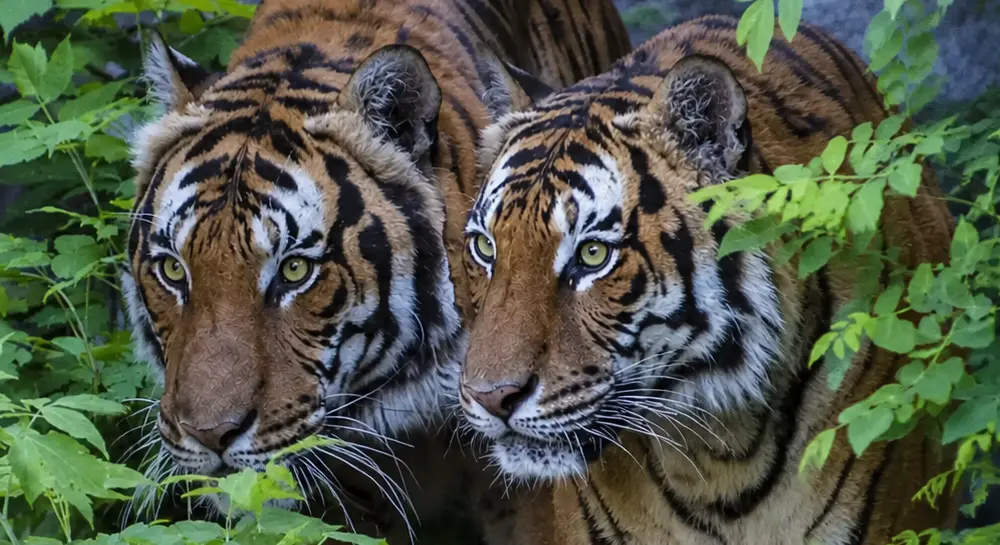
A key part of wildlife conservation in Chitwan National Park is creating safe wildlife corridors that connect separate forest areas. These corridors let animals like Bengal tigers, rhinos, elephants, and leopards move freely between habitats to eat, mate, and mark their territory.
By keeping these pathways open, the park reduces the chance of animals entering human areas, preventing accidents and helping wildlife stay healthy and genetically strong.
To reduce conflicts between people and wildlife, the park has set up ways to stop animals from damaging crops or attacking livestock. They use barriers like electric fences, build secure pens for livestock, and provide early warning systems to alert communities when large animals are nearby.
These steps protect farmers’ work while keeping animals at a safe distance, allowing humans and wildlife to live together peacefully.
Community-based programs in Chitwan have been very effective in reducing conflicts. Local people help by watching animal movements, reporting possible problems, and taking part in awareness campaigns. The park also gives education, incentives, and alternative income opportunities through ecotourism and conservation projects.
This encourages communities to see wildlife as valuable instead of a threat. This combined approach lowers human-wildlife conflicts, supports sustainable conservation, and ensures Chitwan’s ecosystems stay healthy for both animals and people.
Success Stories and Achievements
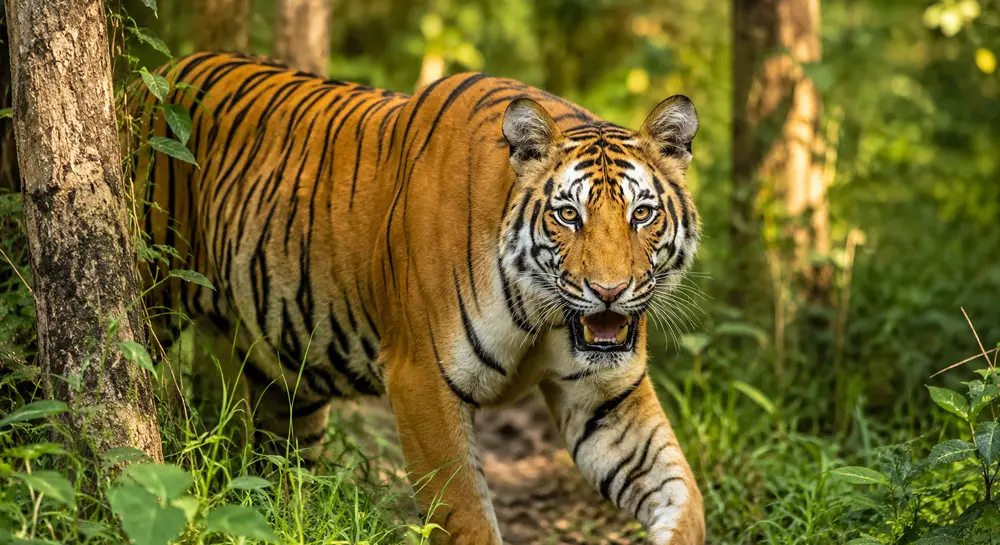
- Tiger Numbers Rising: Tigers have increased thanks to anti-poaching and habitat recovery.
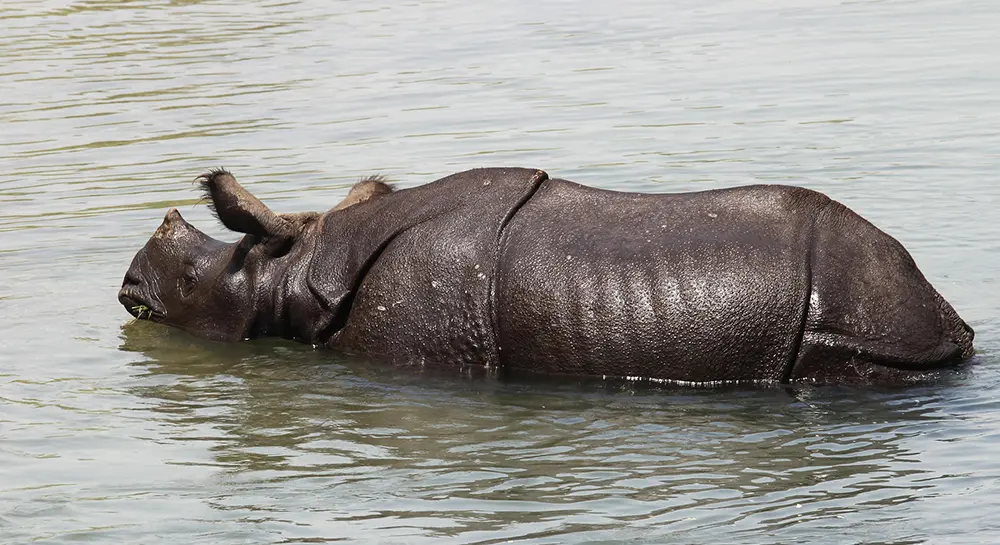
- Rhino Population Growth: One-horned rhinos are coming back due to strong conservation.
- Better Habitats: Restored forests, grasslands, and wetlands help animals grow.
- Strong Anti-Poaching Efforts: Patrols, technology, and community work have reduced illegal hunting.
- Chitwan as a Model: The park is recognized in Nepal and worldwide for protecting wildlife.
- Community Involvement: Local people help in wildlife protection and ecotourism.
- Global Recognition: Awards and international support highlight conservation success.
- International Partnerships: Collaboration improves research and conservation strategies.
Challenges and Future Goals
- Long-term threats due to climate change: changes in rainfall patterns and extreme weather events affecting habitats.
- Pressures are increasing due to growing settlements, which extend in.
- The spread of ecologically friendly tourism will minimize the industry’s environmental impact and contribute to sustainable tourism.
- To offer protection to endangered species, it necessitates a revision of anti-poaching legislation and the strict monitoring of its implementation.
- Losses To Habitat Connectivity: Ensuring seamless corridors to allow safe passage of the animals.
- When considering human-wildlife conflicts, it is essential to come up with ways to reduce crop raiding and livestock predation.
- Maintains ecosystems for the long haul: in the form of forests, wetlands, or river systems.
- Vision for Thriving Wildlife Populations: Ensuring sustainable growth of tigers, rhinos, and elephants.
For more info You can reach out to us by filling this form—here.
or you can reach out to us via this website too – here
Conclusion
Conservation in Chitwan National Park protects wildlife and nature for the future. Saving Bengal tigers, one-horned rhinos, and Asian elephants keeps the ecosystem balanced and preserves an important natural heritage for the world. Tourists and local people can help by watching wildlife responsibly, going on guided safaris, supporting ecotourism, and taking part in protecting habitats and stopping poaching. Everyone’s effort counts.

Supporting ecotourism, following sustainable practices, and helping conservation programs all make a difference. By respecting wildlife, reducing human impact, and protecting the environment, Chitwan’s nature and animals can continue to live and grow. This ensures that future generations can also enjoy the beauty and wildlife of Chitwan National Park.