How Elephant Safari Chitwan Became Famous
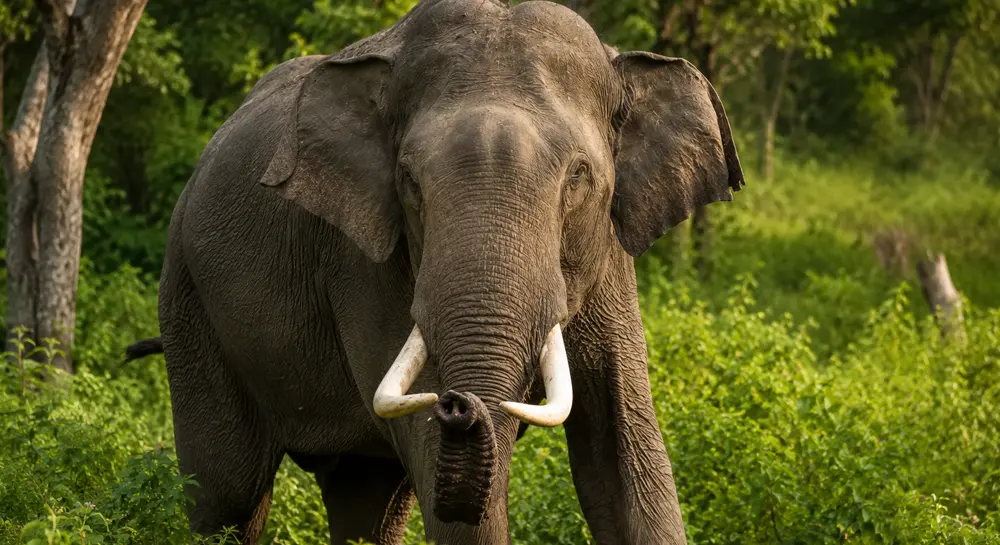
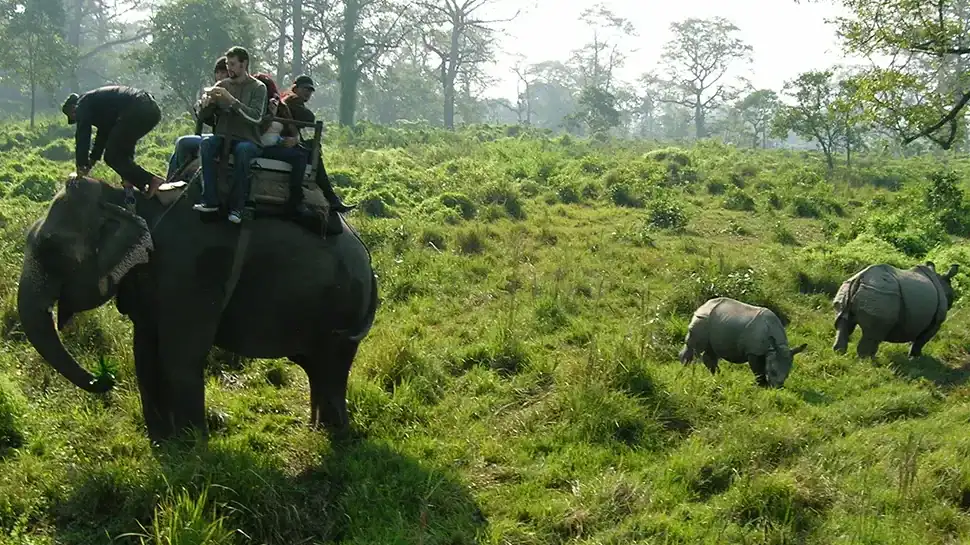
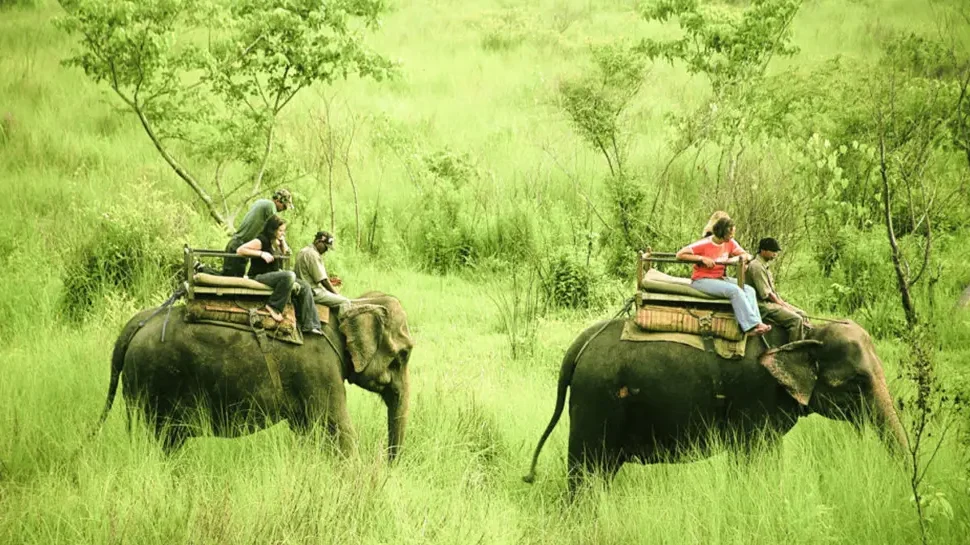
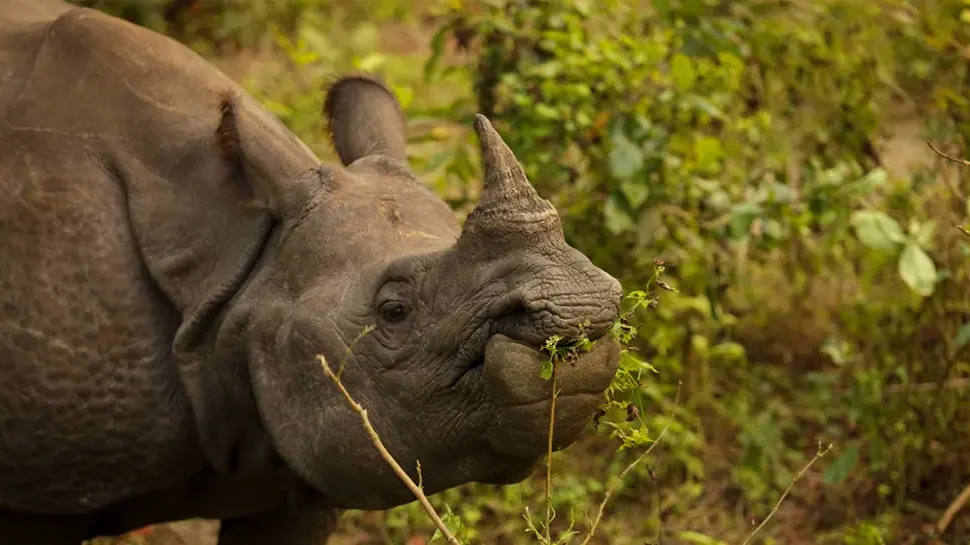
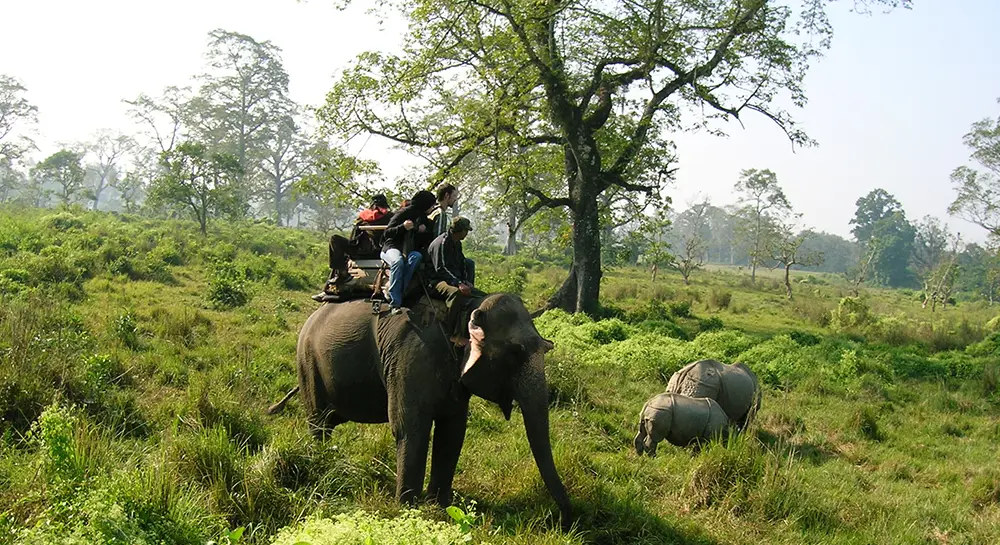
Elephant Safari in Chitwan is one of Nepal’s most famous destinations and has attracted thousands of wildlife lovers, photographers, and adventurers worldwide over the decades. Tourists visit Chitwan National Park to experience the rare and exotic wildlife, including the one-horned rhinoceros, Bengal tiger, and deer, as well as to ride an elephant.
This famous activity of Nepal’s wildlife tourism mixes adventure with the natural beauty of the Terai lowlands, where rivers, grasslands, and thick forests provide a perfect home for many animals.
Over time, however, the growing focus on elephant welfare in Chitwan and responsible wildlife tourism has sparked discussions among tourists about what has changed in the elephant safari experience. Tourists are increasingly asking if elephants are treated ethically and how to care for them.
Since more people are interested in sustainable tourism in Nepal and responsible travel, governments and tour guide companies have begun to implement new requirements and rules.
The Elephant Safari Chitwan is now shifting its focus to provide not only traditional rides but also a more meaningful and respectful experience.
The changes will encourage travelers to engage in ethical tourism regarding elephants, ensuring they understand the importance of conservation in Chitwan; thus, the safari will serve as both an adventure and a learning experience.
Elephant Safari Chitwan: The New Rules & Regulations
Elephant Safari Chitwan has made significant changes to keep elephants safe there and give visitors a better, more responsible experience. New rules focus on treating elephants well, giving them proper rest, and controlling working hours. This shows Nepal’s commitment to sustainable tourism in Nepal and ecotourism in Chitwan.
- Stricter government and conservation rules now control elephant safaris in Chitwan.
- Elephants get regular health checkups and enough rest.
- Working hours are limited to prevent overwork.
- Only licensed operators who follow elephant welfare rules in Chitwan can run safaris.
- Group sizes are limited for a calm, safe, and stress-free experience.
- Ethical management and environmental rules are required.
- The safari is now organized, humane, and sustainable.
- Visitors enjoy a safer, more responsible, and more immersive wildlife observation experience in Chitwan.
What Exactly Changed in the Elephant Safari Chitwan Experience?
The Elephant Safari Chitwan experience has changed to balance wildlife interaction with ethical care. One big change is that safaris are now shorter. Rides are reduced to make sure elephants get enough rest and are not overworked. This helps protect elephant welfare in Chitwan and gives visitors a calmer, more enjoyable experience.
Operators now follow strict schedules to avoid using elephants in very hot or cold weather, keeping them safe from heat or cold stress. Group sizes are limited to prevent overcrowding, letting tourists enjoy the jungle more closely and safely. These changes enhance the excitement and memory of spotting rhinos, deer, and exotic birds during a Chitwan National Park safari.
Additionally, the company has discontinued elephant-related shows and performances to prioritize ethical elephant tourism. Now, travelers can enjoy wildlife without harming the animals while experiencing a balanced and educational safari at Elephant Safari Chitwan. Visitors can have close encounters with elephants through elephant-friendly activities in Chitwan while supporting responsible wildlife tourism and conservation.
Why the Changes Were Necessary
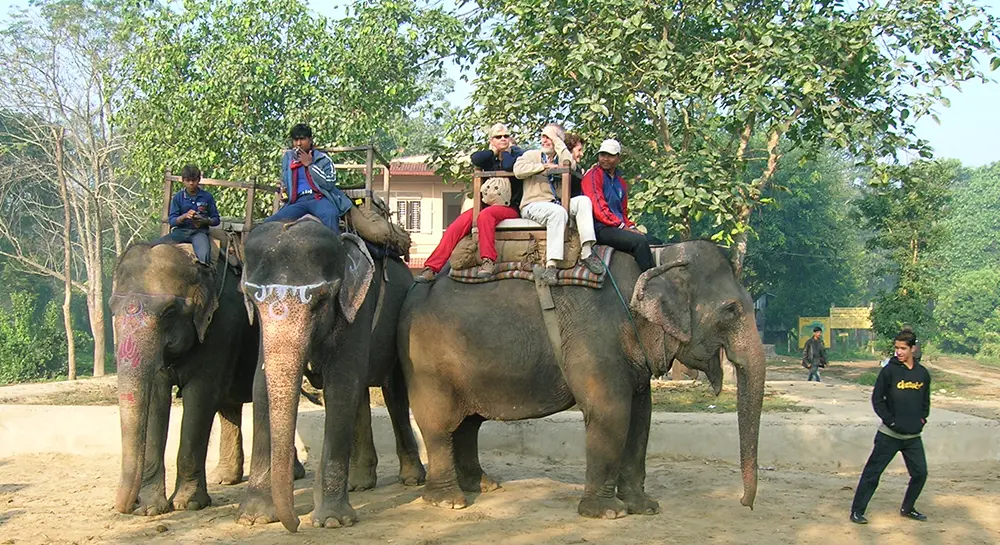
The changes in Elephant Safari in Chitwan happened because people around the world became more concerned about animal welfare and ethical tourism. Conservationists and travelers asked questions about the long-term effects of traditional elephant rides. These concerns led authorities to make new rules.
Protecting elephants from too much work and stress became crucial, and keeping the park’s ecosystem safe was also a priority. Chitwan National Park is home to endangered animals like the one-horned rhinoceros and Bengal tiger. Protecting their natural home means keeping human and animal interference to a minimum.
By following responsible tourism practices, we no longer overwork elephants, and we can enjoy wildlife safely and responsibly. These changes also match what modern travelers expect. Today, more tourists want experiences that treat animals well and protect the environment.
Updating safari rules makes Elephant Safari Chitwan a respected, eco-friendly attraction while keeping Nepal’s reputation as a top wildlife tourism destination.
Present Elephant Safari Chitwan Experience: What to Expect Now
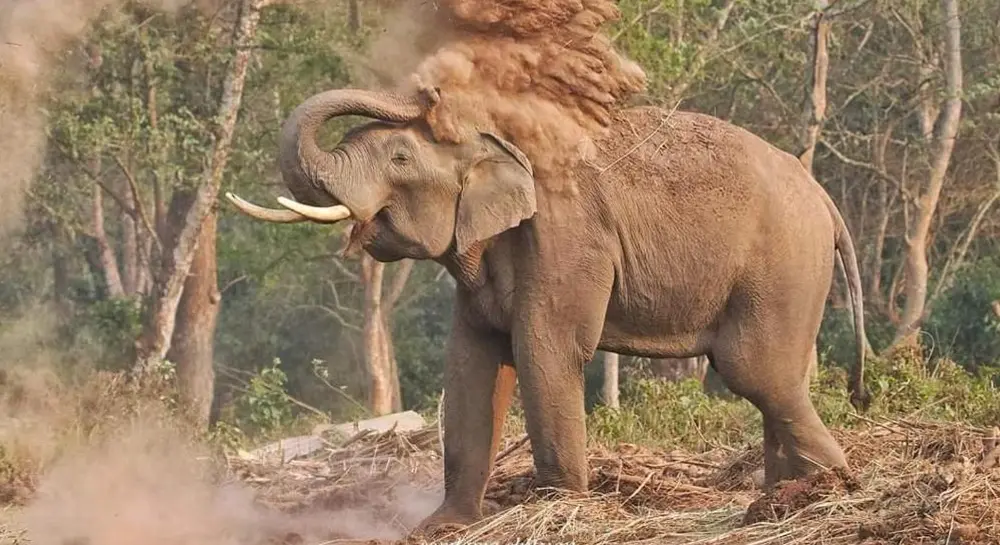
Today, Elephant Safari Chitwan is more about watching animals, learning, and being kind to elephants, not just having fun. Visitors take shorter and calmer rides that focus on quality, not time. Certified guides go along on each safari, teaching about animal behavior, the park, and conservation work, which makes the trip more captivating.
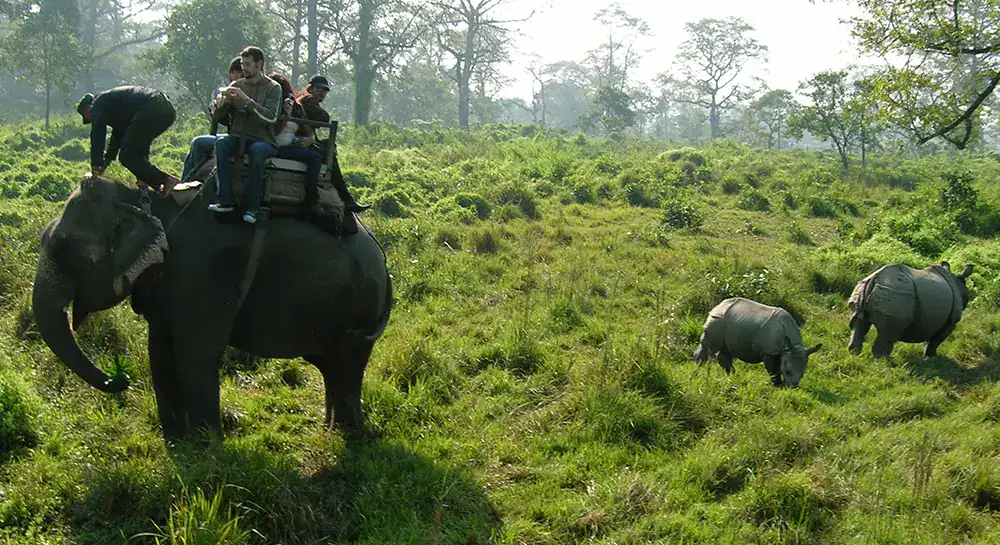
Even with shorter rides, tourists can still see one-horned rhinos, wild deer, elephants, and many birds. Smaller groups and planned routes make the safari quiet and peaceful, perfect for taking photos and enjoying nature.
The safari is now safer and more responsible for enjoying Chitwan’s wildlife. Compared to the past, modern Elephant Safari Chitwan rides are calmer, better organized, and treat elephants respectfully.
By focusing on elephant welfare, visitor safety, and caring for the environment, the safari follows international ecotourism standards while giving travelers a memorable and responsible wildlife experience.
Ethical Tourism Shift: Alternatives to Traditional Elephant Safari in Chitwan
With the rise of ethical tourism, travelers increasingly prefer experiences that allow safe and respectful interaction with elephants. Elephant Safari Chitwan has evolved to accommodate these preferences.
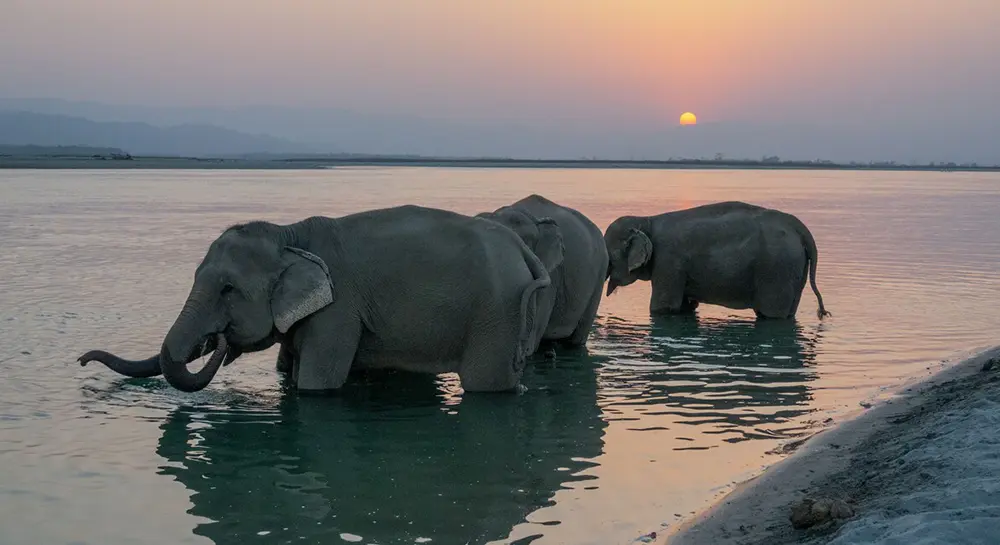
One popular alternative is elephant bathing, where visitors help wash elephants in the river; it’s a fun, interactive, and completely harmless activity. Elephant feeding programs provide another opportunity to engage closely, learning about their diet, behavior, and personalities.
Additionally, options like jeep safaris and walking safaris offer thrilling wildlife encounters without involving elephant labor. These ethical alternatives are gaining popularity, particularly among eco-conscious tourists, and they are reshaping how visitors experience Elephant Safari Chitwan responsibly.
Impact on Local Communities and Conservation Programs
The recent changes in Elephant Safari Chitwan have helped local communities and wildlife conservation a lot. Training for mahouts in Chitwan now gives elephant caretakers better skills, support, and safer working conditions that focus on treating elephants well.
Local tourism businesses have changed too, offering activities like canoe rides, jungle walks, and cultural tours, so they don’t depend solely on traditional elephant rides in Chitwan.
Furthermore, money from responsible wildlife tourism helps protect animals, plant trees, and support local communities. These changes make tourism in Chitwan more balanced and sustainable, helping both people and wildlife while promoting eco-friendly and elephant-friendly activities.
Is Elephant Safari Chitwan Still Worth It Today?
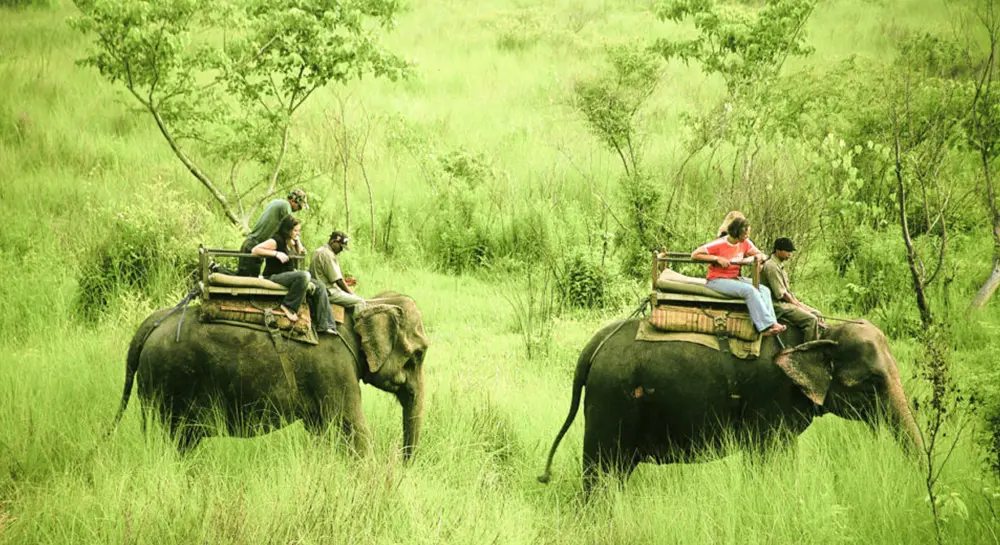
Elephant Safari Chitwan is still a popular wildlife activity, but how much people enjoy it depends on their choice. The safari is now safer, shorter, and more educational. Travelers who care about ethical elephant tourism may choose alternatives like jeep safaris in Chitwan or walking safaris in Chitwan.
Picking responsible operators ensures a fun, meaningful, and animal-friendly experience.
Key Points:
- Safari is still available for peaceful wildlife observation in Chitwan.
- Shorter rides focus on safety and education.
- Ethical travelers may prefer a jeep safari in Chitwan or a walking safari.
- Modern rules protect elephants and improve visitor experience.
- Always choose certified operators with Chitwan elephant welfare guidelines.
- This ensures a memorable and responsible wildlife adventure.
Tips for Travelers Visiting Chitwan for Elephant Safari Chitwan
- Visit During the Dry Season: Plan your Elephant Safari Chitwan between October and April when you can see more wildlife and the weather is nice.
- Dress Appropriately: Wear light, comfortable clothes for early-morning safaris and use sunscreen.
- Respect Wildlife: Keep a safe distance from animals, do not shout, and avoid using flash photography during your Elephant Safari Chitwan.
- Follow Responsible Tourism Practices: Pick activities that help conservation in Chitwan and support ethical wildlife experiences.
- Prepare for Early Starts: Most safaris start early in the morning; be ready for the best wildlife sightings.
- Stay Hydrated: Bring water and snacks, especially for longer rides.
- Learn from Guides: Talk to certified guides to understand elephant behavior in Chitwan, conservation work, and park ecology.
- Support Local Communities: Choose activities that help local people while protecting wildlife and the environment in Chitwan National Park.
For more info, you can reach out to us by filling out this form—here.
Or you can reach out to us via this website too—here.
Final Thoughts: The Future of Elephant Safari Chitwan
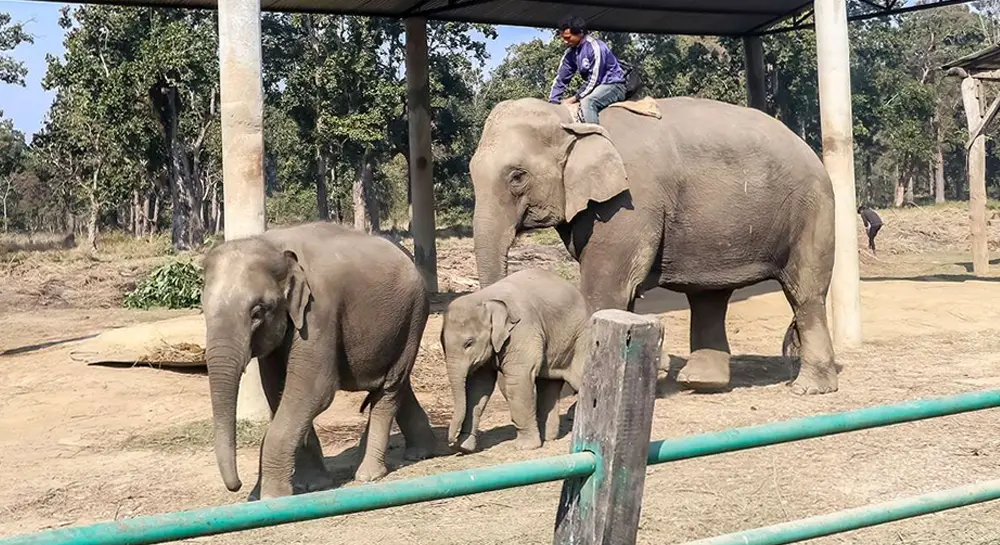
The future of Elephant Safari Chitwan is moving toward ethical elephant tourism and ecotourism in Chitwan, focusing on the well-being of elephants and protecting the ecosystem of Chitwan National Park. Traditional elephant rides may still happen, but with stricter rules. At the same time, alternative elephant-friendly activities in Chitwan, like elephant bathing, feeding programs, and guided observation tours, are becoming more popular.
With better conservation in Chitwan, ongoing training for mahouts, and more awareness among tourists, Elephant Safari Chitwan is becoming a responsible, immersive, and eco-friendly experience that combines adventure with animal care and environmental protection.